

Time:2026-04-17 Views:0
Aluminum casement windows are a popular and versatile type of operable aluminum glass window, characterized by their side-hinged sash that opens outward (or occasionally inward) like a door. This design allows for maximum ventilation, unobstructed views, and easy operation, making them a preferred choice for both residential and commercial buildings. Unlike fixed windows, casement windows can be opened fully, allowing fresh air to circulate freely throughout the space, while their sleek aluminum frame provides durability, corrosion resistance, and a modern aesthetic. Aluminum casement windows are available in a wide range of sizes, styles, and configurations, making them suitable for a variety of architectural designs, from traditional to contemporary. In this comprehensive guide, we will explore the design, construction, components, advantages, applications, installation, maintenance, and design variations of aluminum casement windows, providing a detailed understanding of why they are a top choice for modern buildings.
The design of aluminum casement windows is centered around their operable sash, which is hinged on one side (left, right, or both for double casement windows) and opens outward using a crank mechanism or handle. This outward-opening design allows for maximum ventilation, as the sash can be opened to any angle, directing fresh air into the building. The sash is typically made of aluminum, with a glass panel secured within the frame using glazing beads and sealants. The main frame (which is fixed to the building structure) is also made of aluminum, and is designed to accommodate the sash and ensure a tight seal when the window is closed. The hinge placement is a critical design element—side hinges are the most common, but top-hinged (awning) and bottom-hinged (hopper) casement windows are also available, each offering unique benefits. Side-hinged casement windows are ideal for maximizing ventilation and views, while awning casement windows are suitable for areas where rain protection is needed, as they can be opened slightly during light rain without allowing water to enter the building.
The construction of aluminum casement windows involves several key components, each playing a vital role in the window’s performance and functionality. The main components include the aluminum frame, sash, hinges, crank mechanism (or handle), weatherstripping, sealants, and glass panel. The aluminum frame and sash are typically extruded from high-quality aluminum alloy, such as 6063 or 6061, which offer excellent strength, corrosion resistance, and extrudability. These alloys are heat-treatable, allowing for further strengthening if needed, and can be easily formed into complex profiles to meet specific design requirements. The frame and sash profiles are cut to precise lengths, mitred at the corners, and joined together using high-strength fasteners, such as screws or rivets, to form a rigid structure. Reinforcement bars may be added to the frame and sash to enhance stability, especially for larger casement windows.
Hinges are a critical component of aluminum casement windows, as they support the weight of the sash and allow for smooth operation. Casement window hinges are typically made of stainless steel, brass, or aluminum alloy, ensuring durability and resistance to corrosion. The number of hinges required depends on the size and weight of the sash—larger sashes may require three or more hinges to distribute the weight evenly and prevent sagging. The hinges are mounted on the side of the sash and frame, and are designed to allow the sash to open outward to a maximum angle of 90 degrees or more, depending on the design. Some hinges feature a friction mechanism that holds the sash in place at any angle, preventing it from closing unexpectedly due to wind.
The crank mechanism (also known as an operator) is used to open and close the sash, providing easy operation even for large or heavy windows. The crank mechanism consists of a handle, a gearbox, and a linkage arm that connects to the sash. When the handle is turned, the gearbox rotates the linkage arm, pushing the sash outward or pulling it inward. Crank mechanisms are typically made of durable materials such as stainless steel or aluminum, and are designed to withstand repeated use without wear or failure. Some crank mechanisms feature a locking function, which secures the sash in the closed position, enhancing security. For smaller casement windows, a simple handle may be used instead of a crank mechanism, allowing the sash to be opened and closed manually.
Weatherstripping and sealants are essential for ensuring the airtightness and watertightness of aluminum casement windows. Weatherstripping is installed along the edges of the sash and frame, creating a tight seal when the window is closed. It is typically made of materials such as EPDM rubber, silicone, or foam, which are resistant to weathering and wear. Sealants, such as silicone or polyurethane sealant, are used to seal the gaps between the glass and the sash, as well as between the frame and the building structure. Properly installed weatherstripping and sealants prevent air and water infiltration, improving energy efficiency and preventing water damage to the building’s interior.
The glass panel used in aluminum casement windows is available in a variety of types, each with its own unique properties. Tempered glass is a popular choice due to its enhanced safety—when broken, it shatters into small, rounded pieces that are less likely to cause injury. Laminated glass is another safe option, consisting of two or more glass layers bonded together with a PVB interlayer, which holds the glass together when broken. Insulated glass units (IGUs) are widely used to improve energy efficiency, as they create a thermal barrier that reduces heat transfer. Low-E glass is often used in IGUs to further enhance energy efficiency, reflecting infrared radiation and minimizing heat gain in the summer and heat loss in the winter. Tinted glass, frosted glass, and decorative glass are also available, allowing for customization based on privacy, aesthetic, and functional needs.
Aluminum casement windows offer numerous advantages that make them a popular choice in modern construction. One of the key advantages is their excellent ventilation capabilities. Since the sash opens outward fully, they allow for maximum air circulation, which is particularly beneficial in areas where good ventilation is important, such as kitchens, bathrooms, and bedrooms. The outward-opening design also allows the sash to catch the wind, directing fresh air into the building more effectively than other types of windows. Another major advantage is their unobstructed views. When the sash is open, there are no rails or sashes blocking the view, providing clear, unimpeded views of the outdoors. When closed, the sleek aluminum frame and large glass panel ensure that the view remains unobstructed.
Energy efficiency is another significant benefit of aluminum casement windows. When closed, the sash presses tightly against the frame, creating a tight seal that prevents air leakage. Combined with insulated glass and Low-E coatings, this tight seal significantly reduces heat transfer, improving the building’s energy efficiency and reducing heating and cooling costs. Aluminum casement windows also offer excellent durability and longevity. The aluminum frame is highly resistant to corrosion, especially when treated with anodizing, powder coating, or PVDF coating, ensuring that the window maintains its appearance and performance for decades. The hinges and crank mechanism are made of durable materials, and with proper maintenance, they can operate smoothly for many years.
Security is another important advantage of aluminum casement windows. When closed, the sash is secured to the frame with multiple locking points, including the crank mechanism and additional locks (such as espagnolette locks), which provide enhanced security against break-ins. The tight seal between the sash and frame also makes it difficult for intruders to pry the window open. Additionally, tempered or laminated glass provides an extra layer of security, as it is more difficult to break than regular glass.
The applications of aluminum casement windows are diverse, covering residential, commercial, and industrial sectors. In residential buildings, casement windows are commonly used in kitchens, bathrooms, bedrooms, and living rooms, where ventilation and views are important. They are particularly well-suited for kitchens, as they can be opened to allow cooking odors to escape, and for bedrooms, as they provide fresh air and a connection to the outdoors. Casement windows can be installed as single units or in pairs (double casement windows), and can be combined with fixed windows to create a larger glass area. In commercial buildings, such as office towers, hotels, and restaurants, casement windows are used to provide ventilation for offices, guest rooms, and dining areas. They are also used in storefronts, where they can be opened to attract customers and allow fresh air into the space.
In industrial settings, aluminum casement windows are used in factories, warehouses, and manufacturing facilities, where they need to be durable, easy to maintain, and resistant to harsh industrial environments. They are often installed in areas where ventilation is needed to remove fumes or heat, and their durable construction ensures that they can withstand the rigors of industrial use. Aluminum casement windows are also suitable for coastal areas, as their corrosion-resistant aluminum frame and weathertight seal make them resistant to saltwater damage.
Installation of aluminum casement windows requires careful planning and precision to ensure optimal performance. The first step is to measure the opening accurately to ensure that the window frame fits perfectly. The opening should be clean, level, and square, with no debris or obstructions. The frame is then placed in the opening and secured to the building structure using screws or anchors. It is important to ensure that the frame is level and plumb, as any misalignment can affect the operation of the sash and lead to gaps or leaks. The sash is then attached to the frame using hinges, and the crank mechanism (or handle) is installed. Finally, weatherstripping and sealant are applied to create a tight seal, and the glass panel is installed and secured with glazing beads. The installation process should be carried out by trained professionals to ensure that the window is installed correctly and meets all performance standards.
Maintenance of aluminum casement windows is relatively simple, but regular upkeep is essential to ensure smooth operation and long-term performance. The crank mechanism and hinges should be lubricated periodically with a silicone-based lubricant to prevent friction and ensure smooth operation. The glass and frame should be cleaned regularly with a mild detergent and water, using a soft cloth or sponge to avoid scratching the surface. For stubborn stains, a glass cleaner can be used, but abrasive cleaners should be avoided as they can damage the glass or the frame’s coating. The weatherstripping and sealant should be inspected regularly for signs of wear or damage, such as cracking or peeling, and replaced if necessary to maintain the window’s airtightness and watertightness. Additionally, the locks should be checked periodically to ensure that they are functioning properly and providing adequate security.
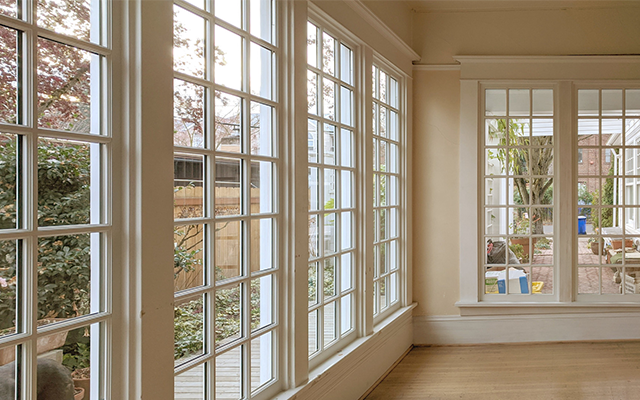
Aluminum casement windows are available in a wide range of design variations to suit different architectural styles and design preferences. The frame can be customized in terms of width, depth, and color, with a variety of surface finishes available, including anodizing, powder coating, and PVDF coating. The sash can be designed with a single glass panel or multiple glass panels (divided lights), and the glass can be customized with tinting, frosting, or decorative patterns. Casement windows can also be designed as double casement windows (two sashes hinged on opposite sides), which open outward from the center, providing maximum ventilation and views. Additionally, casement windows can be combined with other types of windows, such as fixed windows or transoms, to create a unique and functional window configuration.
In recent years, there has been a growing trend towards energy-efficient and sustainable building practices, and aluminum casement windows have evolved to meet these demands. Manufacturers are now offering casement windows with improved insulation, advanced weatherstripping, and high-performance glass options, such as triple-glazed insulated glass and Low-E coatings, to further enhance energy efficiency. Additionally, there is a growing demand for smart casement windows, which can be operated remotely using a smartphone or voice control, providing added convenience and functionality. These smart windows can also be integrated with home automation systems, allowing for automatic opening and closing based on temperature, humidity, or other environmental factors.
In conclusion, aluminum casement windows are a versatile, functional, and stylish type of operable window that offers numerous benefits for residential, commercial, and industrial applications. Their outward-opening design provides maximum ventilation and unobstructed views, while their durable aluminum frame and high-performance components ensure long-term reliability. With a wide range of design variations and customization options, aluminum casement windows can complement any architectural style, making them a top choice for modern construction. Whether used in a residential home, commercial building, or industrial facility, aluminum casement windows are a practical and efficient solution for any building project.









 CN
CN