



Time:2026-07-01 Views:0
Historic homes carry irreplaceable architectural, cultural, and historical value, serving as tangible carriers of regional architectural heritage and era-specific design aesthetics. For decades, homeowners and historic preservation experts have long adhered to the core principle of “preserving original charm while upgrading functional performance” when renovating ancient residences. In the past, wooden windows were the mainstream choice for historic building renovation due to their classic texture and traditional molding adaptability, yet they suffer from inherent defects such as easy rot, warping, poor weather resistance, and frequent maintenance requirements. Traditional PVC windows, although cost-effective and durable, feature rigid styling and rough lines that cannot match the delicate and elegant architectural tone of historic homes, easily destroying the original vintage aesthetic of ancient buildings. In contrast, modern customized aluminum windows have gradually become the preferred solution for historic home renovation and replacement, perfectly balancing heritage appearance restoration, long-term durability, modern energy-saving performance, and strict historic preservation norms, and have been widely recognized by architectural preservation institutions and residential renovation professionals worldwide.
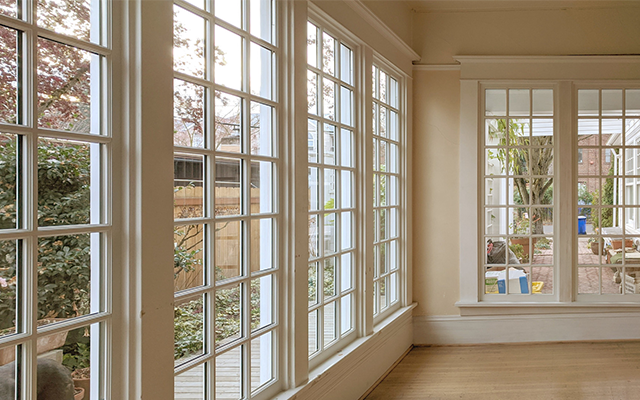
The core advantage of aluminum windows applied to historic homes lies in their unparalleled aesthetic restoration capability and flexible customization performance. Modern aluminum profile extrusion technology enables manufacturers to precisely replicate various classic window shapes, delicate frame lines, vintage moldings, and traditional structural details of different historical periods, including Victorian, Georgian, Craftsman, and Mediterranean architectural styles. Unlike the single styling of ordinary aluminum windows, historic home-specific aluminum windows support ultra-slim sightline design, antique matte finishes, vintage bronze, dark walnut, matte black and other retro color coatings, as well as customized simulated wood grain textures. These designs completely eliminate the cold industrial sense of ordinary aluminum products, perfectly fitting the low-key and elegant architectural temperament of historic buildings. Meanwhile, aluminum materials can be processed into complex curved frames, special-shaped window openings, and traditional divided grid structures, fully meeting the diverse structural design requirements of ancient buildings with unique window layouts and retaining the original architectural rhythm and spatial hierarchy to the greatest extent.
In terms of performance, aluminum windows completely solve the pain points of traditional historic window materials. Wood windows are extremely susceptible to erosion by rain, humidity, ultraviolet rays, and temperature changes, prone to mildew, decay, cracking, and deformation, requiring regular painting, anti-corrosion treatment, and component replacement, which not only consumes a lot of maintenance costs but also may cause secondary damage to historic building structures during repeated maintenance. PVC windows are prone to aging, yellowing, and brittle cracking after long-term outdoor exposure, with poor structural stability and low wind resistance, which cannot adapt to long-term use requirements of historic buildings. In comparison, high-quality aerospace-grade aluminum alloy materials have natural anti-corrosion, anti-oxidation, and anti-ultraviolet properties, will not rust, fade, deform or rot after long-term exposure to harsh outdoor environments, and can maintain stable performance and intact appearance for more than 50 years. The non-porous structure of aluminum effectively isolates rainwater penetration and moisture erosion, avoiding the mold and mildew problems that plague traditional wooden historic windows, and greatly reduces the daily maintenance workload of historic homes.
Modern aluminum windows for historic homes also integrate advanced modern energy-saving and environmental protection technologies, solving the long-standing energy consumption problem of ancient buildings. Most original windows of historic homes have poor sealing performance, serious air leakage and water leakage, and no thermal insulation structure, resulting in huge heating and cooling energy consumption, poor indoor comfort, and easy condensation and frosting in winter. Custom aluminum historic windows adopt multi-layer sealing structure, high-performance insulating glass, and thermal break bridge technology, which can effectively block heat conduction, reduce indoor and outdoor air convection, and greatly improve the thermal insulation and sound insulation performance of windows. While retaining the historic appearance, these windows upgrade the indoor living environment of ancient residences, making old homes meet modern living comfort standards without damaging cultural relic features. In addition, aluminum is a 100% recyclable green environmental protection material, which conforms to the sustainable development concept of historic building protection, avoids the waste of wood resources caused by frequent replacement of wooden windows, and realizes the organic unity of cultural heritage protection and green low-carbon development.
In terms of safety and standard compliance, aluminum windows fully meet the strict protection specifications of historic buildings. Many historic homes are listed cultural relics protection buildings with strict restrictions on exterior renovation and component replacement. Professional aluminum window manufacturers can carry out personalized customization according to local historic building protection guidelines, ensuring that the window size, frame thickness, opening mode, and exterior decoration details are completely consistent with the original building standards, and will not affect the overall historic style and cultural value of the building. At the same time, aluminum windows have high structural strength, strong wind pressure resistance and impact resistance, which can effectively resist extreme weather such as strong winds, heavy rain, and hail, protect the structural safety of historic buildings, and avoid window damage and building leakage risks caused by extreme weather. Equipped with high-quality anti-theft hardware and tempered insulating glass, they also improve the anti-theft and anti-collision safety performance of historic homes, making the ancient buildings both charming and safe.
In conclusion, aluminum windows tailored for historic homes break the traditional dilemma of “choosing between appearance and performance” in historic building renovation. With their highly simulated vintage aesthetic, super long service life, zero daily maintenance advantages, excellent energy-saving and sound insulation performance, and standard-compliant customized design, they have become the most ideal replacement and renovation solution for historic home windows. They not only faithfully inherit the architectural charm and historical texture of ancient residences but also inject modern functional vitality into historic buildings, realizing the permanent protection and sustainable utilization of architectural cultural heritage.







 CN
CN