

Time:2026-05-19 Views:0
Aluminum casement windows have become a staple in modern architecture and interior design, celebrated for their sleek profile, versatility, and ability to seamlessly blend functionality with aesthetic appeal. Unlike sliding or hung windows, casement windows open outward (or inward, in some cases) on hinges, providing unobstructed views, excellent ventilation, and a clean, contemporary look. The inherent flexibility of aluminum—its strength, malleability, and wide range of finish options—makes it an ideal material for casement windows, allowing for endless design possibilities that can complement any architectural style, from minimalist modern to traditional, industrial to coastal. This guide explores a variety of aluminum casement window design ideas, focusing on style, functionality, material combinations, color schemes, and innovative features to inspire your next home or commercial design project.
Before diving into specific design ideas, it is important to understand the key design elements that define aluminum casement windows and how they can be customized to suit your needs. These elements include the frame profile (slim or wide), glass type, color and finish, hardware, and configuration (single, double, or multiple casements). Each of these elements can be tailored to create a unique look and feel, ensuring that your aluminum casement windows not only perform well but also enhance the overall design of your space.
One of the most popular design trends for aluminum casement windows is the minimalist, slim-profile look. This design emphasizes clean lines, large glass panes, and a nearly invisible frame, creating a seamless connection between the interior and exterior of the space. To achieve this look, opt for ultra-slim aluminum frames (with a profile width of 20mm to 40mm) that maximize the glass area. This design is perfect for modern homes, lofts, and commercial spaces, where natural light and unobstructed views are a priority. Pair the slim frames with large, unobstructed glass panes (such as double-pane Low-E glass for energy efficiency) to create a bright, open atmosphere. For a truly minimalist aesthetic, choose a neutral finish for the frame, such as matte black, white, or brushed aluminum, which blends seamlessly with the surrounding walls and decor. This design works particularly well in open-concept spaces, where the windows act as a focal point and connect the interior to outdoor spaces like patios, gardens, or city views.
Another popular design idea is the industrial-style aluminum casement window. Industrial design is characterized by raw materials, exposed structures, and a utilitarian aesthetic, and aluminum casement windows fit perfectly into this style. To achieve an industrial look, opt for thick, sturdy aluminum frames (profile width of 40mm to 60mm) with a matte black or brushed steel finish. The frames can be left exposed, with visible hinges and hardware, to emphasize the industrial aesthetic. Pair the frames with frosted or tinted glass to add a touch of privacy while maintaining the industrial vibe. For added character, consider adding decorative grids or mullions (in a black or steel finish) to divide the glass into smaller panes, mimicking the look of old factory windows. This design is ideal for loft apartments, converted warehouses, and industrial-style homes, where the windows complement exposed brick walls, concrete floors, and metal fixtures.
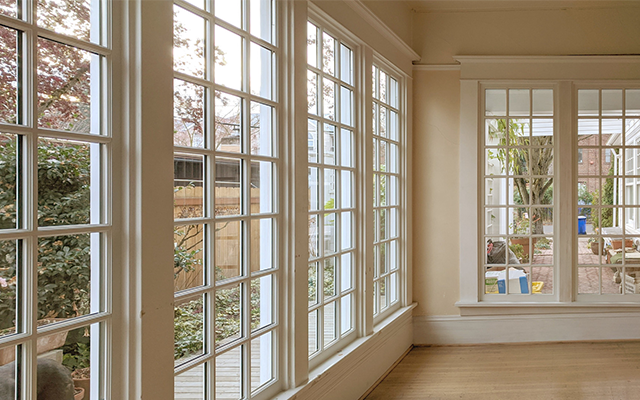
For those who prefer a more traditional or classic aesthetic, aluminum casement windows can be designed to mimic the look of wood windows while offering the durability and low maintenance of aluminum. This design is achieved by using wood-clad aluminum frames, which have a wood interior (such as oak, maple, or mahogany) and an aluminum exterior. The wood interior adds warmth and elegance to the space, while the aluminum exterior provides protection against the elements. Pair the wood-clad frames with divided light glass (glass divided into smaller panes by grids or mullions) to create a classic, timeless look. Choose a finish for the aluminum exterior that complements the wood interior—for example, a bronze or copper finish pairs well with warm wood tones, while a white or cream finish creates a more traditional, cottage-style look. This design is perfect for traditional homes, cottages, and historic buildings, where preserving the classic aesthetic is important.
Coastal-style aluminum casement windows are another popular design option, ideal for homes near the beach or in coastal areas. Coastal design is characterized by light, airy spaces, neutral colors, and a connection to the outdoors, and aluminum casement windows can help achieve this look. Opt for slim-profile aluminum frames in light colors, such as white, cream, or light gray, to reflect sunlight and create a bright, airy atmosphere. Pair the frames with clear or lightly tinted glass to maximize natural light and unobstructed views of the ocean, beach, or coastal landscape. For added functionality, choose casement windows that open outward to catch coastal breezes, providing natural ventilation and reducing the need for air conditioning. To enhance the coastal aesthetic, add decorative elements such as rope handles or weathered hardware, and pair the windows with white or light-colored siding, shutters, and trim. This design is perfect for beach houses, coastal cottages, and homes with a relaxed, vacation-like vibe.
Innovative and modern design ideas for aluminum casement windows include floor-to-ceiling configurations, corner windows, and multi-panel casements. Floor-to-ceiling aluminum casement windows create a dramatic focal point, filling the space with natural light and providing unobstructed views of the outdoors. This design is perfect for modern homes with high ceilings, as it emphasizes height and openness. Pair the floor-to-ceiling windows with slim frames and clear glass to create a seamless transition between the interior and exterior. Corner windows, which are installed at the corner of a room with no post or mullion between them, create a panoramic view and make the space feel larger and more open. This design is ideal for living rooms, bedrooms, or home offices with a view, and it works particularly well with slim-profile aluminum frames that minimize visual obstruction. Multi-panel casement windows, which consist of two or more casement windows installed side by side, can be used to cover large wall spaces and provide maximum ventilation. For example, a set of three casement windows can be installed above a countertop or in a living room, allowing you to open one, two, or all three windows to control airflow and natural light.
Color and finish play a crucial role in the design of aluminum casement windows, as they can dramatically impact the overall look and feel of the space. Aluminum casement windows are available in a wide range of colors and finishes, including anodized, powder-coated, painted, and wood-clad. Anodized finishes are available in natural aluminum tones, as well as black, bronze, and gold, and they offer a durable, low-maintenance surface. Powder-coated finishes are available in virtually any color, from neutral whites and grays to bold blues, greens, and reds, allowing you to match the windows to your home’s exterior or interior decor. Painted finishes are less common but offer a smooth, uniform look, while wood-clad finishes add warmth and texture. When choosing a color and finish, consider the overall color scheme of your home, the architectural style, and the surrounding environment. For example, a matte black finish works well with modern and industrial styles, while a white finish is classic and versatile, complementing any style. A wood-clad finish is perfect for traditional and coastal styles, adding warmth and character.
Hardware is another important design element that can enhance the look and functionality of aluminum casement windows. The hardware includes the hinges, handles, locks, and cranks (for operable casements), and it should complement the overall design of the window and the space. For a minimalist look, choose sleek, modern hardware in a finish that matches the frame (e.g., matte black hardware with a matte black frame). For a more traditional look, opt for decorative hardware with intricate details, such as brass or bronze handles and hinges. For added functionality, consider adding smart hardware, such as remote-controlled cranks or sensors that automatically close the windows when it rains. This not only adds convenience but also enhances the energy efficiency and security of your home. Additionally, choosing high-quality hardware ensures that your casement windows operate smoothly and last for years.
Glass type is another key design element that can be customized to suit your needs and aesthetic preferences. Clear glass is the most common option, as it maximizes natural light and unobstructed views. However, there are many other glass options available, including frosted glass (for privacy), tinted glass (to reduce glare and heat gain), Low-E glass (for energy efficiency), laminated glass (for soundproofing and security), and decorative glass (such as stained glass or frosted patterns). For example, frosted glass is perfect for casement windows in bathrooms or bedrooms, where privacy is a priority, while Low-E glass is ideal for homes in extreme climates, as it reduces heat transfer and lowers energy costs. Decorative glass can add a unique touch to your windows, reflecting your personal style and enhancing the overall design of the space.
Sustainable and eco-friendly design ideas for aluminum casement windows are also gaining popularity, as more homeowners and designers prioritize environmental responsibility. Aluminum is a highly recyclable material, making it an eco-friendly choice for windows. Additionally, choosing energy-efficient glass (such as double-pane or triple-pane Low-E glass) and thermal break frames can reduce energy consumption, lowering your carbon footprint and saving money on heating and cooling costs. To further enhance sustainability, consider installing casement windows that are designed to maximize natural ventilation, reducing the need for artificial cooling. You can also choose a finish that is free of harmful chemicals, such as low-VOC powder coatings, to improve indoor air quality.
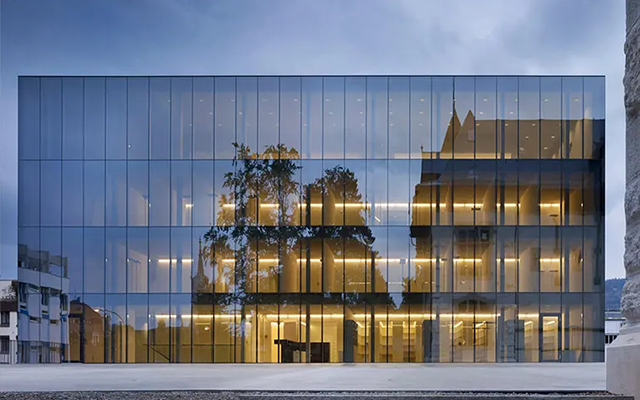
For commercial spaces, aluminum casement windows can be designed to be both functional and aesthetically pleasing. In office buildings, slim-profile casement windows with large glass panes can create a bright, open workspace, improving employee productivity and well-being. In retail spaces, casement windows can be used to display products, with large glass panes that attract customers and allow natural light to illuminate the interior. For hospitality spaces, such as hotels and restaurants, aluminum casement windows can be designed to complement the overall decor, with custom finishes and glass options that create a welcoming and luxurious atmosphere. Additionally, commercial aluminum casement windows can be designed to meet strict building codes and safety requirements, such as impact resistance and fire safety.
When designing aluminum casement windows, it is important to consider the overall architecture of the building and the surrounding environment. For example, in a modern high-rise building, slim-profile casement windows with a matte black finish would complement the sleek, contemporary design, while in a historic building, wood-clad casement windows with divided light glass would preserve the classic aesthetic. Additionally, consider the orientation of the windows—south-facing windows may benefit from tinted or Low-E glass to reduce heat gain, while north-facing windows may benefit from clear glass to maximize natural light. The size and placement of the windows should also be considered, as they can impact the flow and functionality of the space.
In conclusion, aluminum casement windows offer endless design possibilities, from minimalist and modern to traditional and industrial. By customizing the frame profile, glass type, color and finish, hardware, and configuration, you can create windows that perfectly complement your home or commercial space, enhancing both its aesthetic appeal and functionality. Whether you are looking for a sleek, contemporary look, a classic, timeless design, or an eco-friendly option, aluminum casement windows can be tailored to meet your needs. With their durability, low maintenance, and versatility, aluminum casement windows are an excellent choice for any design project, providing natural light, ventilation, and unobstructed views for years to come.









 CN
CN