

Time:2026-05-19 Views:0
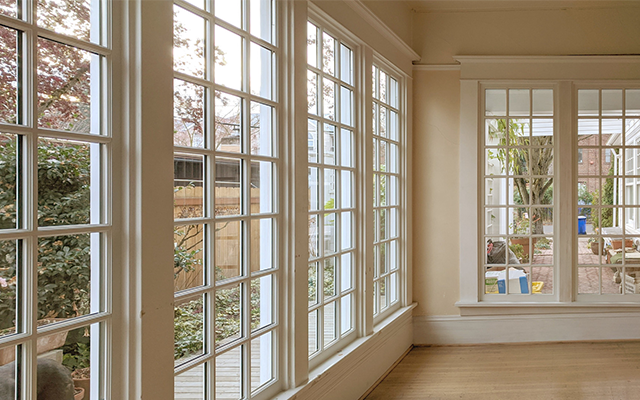
Aluminum fixed windows are a popular choice for both residential and commercial buildings, valued for their sleek aesthetic, durability, energy efficiency, and low maintenance requirements. Unlike operable windows (such as casement, sliding, or hung windows), fixed windows do not open or close, making them ideal for areas where ventilation is not a priority but natural light and unobstructed views are desired—such as picture windows, accent windows, or windows in high-rise buildings. When considering aluminum fixed windows, one of the most important factors for homeowners, contractors, and property developers is the price. The cost of aluminum fixed windows can vary significantly based on a range of factors, including the size of the window, the quality of materials, glass type, finish, installation costs, and additional features. This guide provides a comprehensive overview of aluminum fixed window prices, breaking down the key factors that influence cost, average price ranges, and tips for budgeting and getting the best value for your investment.
Before diving into specific price ranges, it is important to understand the key factors that impact the cost of aluminum fixed windows. These factors work together to determine the final price, and understanding them will help you make informed decisions when selecting and purchasing aluminum fixed windows. The primary factors include window size, aluminum frame quality and thickness, glass type, frame finish, installation costs, and additional features or customization.
Window size is one of the most significant factors affecting price. Aluminum fixed windows are available in a wide range of sizes, from small accent windows (e.g., 24x24 inches) to large picture windows (e.g., 60x84 inches or larger). As a general rule, larger windows cost more than smaller ones, as they require more materials (aluminum frame and glass) and more labor to manufacture and install. For example, a small 24x24-inch aluminum fixed window may cost as little as $150 to $300, while a large 72x96-inch picture window can cost $1,000 to $3,000 or more. The cost per square foot also tends to decrease slightly for larger windows, but the total cost still increases significantly with size due to the additional materials and complexity of handling and installing larger panes of glass.
The quality and thickness of the aluminum frame are another critical factor. Aluminum frames are available in different grades of aluminum, with higher-grade aluminum being more durable, corrosion-resistant, and energy-efficient. The thickness of the frame (measured in millimeters) also impacts cost—thicker frames are stronger and more stable, making them suitable for larger windows or areas with harsh weather conditions (such as high winds or heavy snow). Most residential aluminum fixed windows use frames with a thickness of 1.4mm to 2.0mm, while commercial windows may use thicker frames (2.0mm to 3.0mm) for added strength. Higher-grade, thicker aluminum frames cost more than lower-grade, thinner frames. For example, a window with a 1.4mm frame may cost 10% to 20% less than the same size window with a 2.0mm frame. Additionally, frames with thermal breaks (a non-conductive material inserted between the interior and exterior parts of the frame to reduce heat transfer) are more expensive than non-thermal break frames, but they offer better energy efficiency, which can save money on heating and cooling costs over time.
Glass type is another major factor influencing the price of aluminum fixed windows. The type of glass used affects not only the cost but also the window’s energy efficiency, safety, and aesthetic appeal. Common glass types for aluminum fixed windows include single-pane, double-pane (insulated), triple-pane, tempered, laminated, Low-E (low-emissivity), and tinted glass. Single-pane glass is the cheapest option, but it offers poor insulation and is not recommended for most modern buildings due to high energy costs. Double-pane insulated glass, which consists of two panes of glass with a layer of air or gas (such as argon) between them, is more expensive but provides better insulation, reducing heat loss and noise transmission. Triple-pane glass is even more expensive but offers superior insulation, making it ideal for cold climates. Tempered glass, which is heat-treated to be stronger and safer (it breaks into small, rounded pieces instead of sharp shards), is more expensive than regular glass but is required by building codes for windows near doors, on lower floors, or in areas where safety is a concern. Laminated glass, which consists of two panes of glass with a layer of plastic between them, is also more expensive and is often used for soundproofing or security purposes. Low-E glass, which has a special coating that reflects heat and blocks UV rays, is more expensive than regular glass but improves energy efficiency by reducing heat gain in the summer and heat loss in the winter. Tinted glass, which reduces glare and heat gain, is another option that can increase the cost of the window.
The finish of the aluminum frame also affects the price. Aluminum frames can be finished in a variety of ways, including anodized, powder-coated, painted, or wood-clad. Anodized finishes are created by electrochemically treating the aluminum to create a durable, corrosion-resistant surface that comes in natural aluminum tones or colored options. Anodized finishes are relatively affordable and low-maintenance. Powder-coated finishes involve applying a dry powder to the frame and baking it on, creating a durable, scratch-resistant surface available in a wide range of colors. Powder-coated finishes are more expensive than anodized finishes but offer more color options and a smoother appearance. Painted finishes are less common for aluminum frames but are available, and they tend to be more affordable than powder-coated finishes but may require more maintenance (touch-ups) over time. Wood-clad aluminum frames, which have a wood interior and aluminum exterior, are the most expensive option, as they combine the durability of aluminum with the warmth of wood. The cost of the finish can add 10% to 30% to the total cost of the window, depending on the type of finish and the color chosen.
Installation costs are another important component of the total price of aluminum fixed windows. While some homeowners may choose to install the windows themselves to save money, professional installation is recommended, especially for larger windows or complex projects. Installation costs vary based on the size and number of windows, the complexity of the installation (e.g., high-rise vs. ground floor), the condition of the window openings, and the location of the project. On average, installation costs for aluminum fixed windows range from $50 to $150 per window, or $10 to $25 per square foot. For larger windows or high-rise installations, installation costs can be significantly higher, as they require specialized equipment (such as scaffolding or lifts) and more labor. Additionally, if the window openings need to be modified (e.g., resized, repaired, or reinforced), this will add to the installation cost. It is important to factor in installation costs when budgeting for aluminum fixed windows, as they can account for 20% to 40% of the total cost.
Additional features and customization can also increase the price of aluminum fixed windows. For example, custom sizes or shapes (such as circular, arched, or triangular windows) are more expensive than standard rectangular windows, as they require specialized manufacturing. Decorative elements, such as grids, mullions, or decorative glass (e.g., stained glass, frosted glass), can also add to the cost. Grids and mullions, which are decorative bars that divide the glass into smaller panes, can add $50 to $200 per window, depending on the style and material. Decorative glass options can range from $100 to $500 or more per window, depending on the complexity of the design. Other additional features, such as impact-resistant glass (for hurricane-prone areas) or soundproofing glass, can also increase the cost significantly.
Now that we have covered the key factors that influence price, let’s look at average price ranges for aluminum fixed windows. These ranges are based on standard sizes, mid-grade materials, and professional installation, and they can vary depending on the factors discussed above. For small to medium-sized residential aluminum fixed windows (e.g., 24x36 inches to 48x60 inches), the average total cost (including materials and installation) ranges from $200 to $800 per window. For larger residential windows (e.g., 60x72 inches to 72x96 inches), the average total cost ranges from $800 to $2,500 per window. For commercial aluminum fixed windows, which are typically larger and use thicker frames and higher-quality glass, the average cost ranges from $150 to $400 per square foot, including materials and installation. Custom windows (non-standard sizes, shapes, or features) can cost $2,000 to $10,000 or more, depending on the complexity.
To provide a more detailed breakdown, let’s consider a few examples. A standard 36x48-inch aluminum fixed window with a 1.4mm non-thermal break frame, single-pane tempered glass, and an anodized finish would cost approximately $150 to $250 for materials, plus $50 to $100 for installation, totaling $200 to $350. The same size window with a 2.0mm thermal break frame, double-pane Low-E glass, and a powder-coated finish would cost approximately $300 to $500 for materials, plus $75 to $125 for installation, totaling $375 to $625. A large 72x96-inch picture window with a 2.0mm thermal break frame, triple-pane Low-E glass, and a wood-clad finish would cost approximately $800 to $1,500 for materials, plus $200 to $400 for installation, totaling $1,000 to $1,900. For a custom arched window (e.g., 48 inches wide by 60 inches tall) with a 2.0mm thermal break frame, double-pane laminated glass, and a powder-coated finish, the cost would be approximately $1,500 to $2,500 for materials, plus $150 to $300 for installation, totaling $1,650 to $2,800.
When budgeting for aluminum fixed windows, there are several tips to help you get the best value for your investment. First, compare quotes from multiple suppliers and installers to ensure you are getting a competitive price. Be sure to ask for detailed quotes that break down the cost of materials, labor, and any additional features, so you can compare apples to apples. Second, prioritize energy efficiency—while thermal break frames and Low-E glass may cost more upfront, they can save you money on heating and cooling costs over time. Third, consider the long-term maintenance costs—aluminum windows are low-maintenance, but choosing a durable finish (such as anodized or powder-coated) can reduce the need for touch-ups or repairs. Fourth, avoid over-customizing unless necessary—standard sizes and shapes are more affordable than custom options, so only choose custom features if they are essential to your design or functional needs. Fifth, purchase windows in bulk if you are installing multiple windows (e.g., for a whole house or commercial building), as many suppliers offer discounts for bulk orders.
It is also important to be aware of hidden costs that may arise during the installation process. For example, if the window openings are not square or level, additional labor and materials may be needed to correct them. If the existing siding or trim needs to be removed and reinstalled, this can add to the cost. Additionally, disposal fees for old windows (if you are replacing existing windows) may apply, ranging from $10 to $30 per window. It is a good idea to discuss these potential hidden costs with your installer upfront to avoid surprises.
Another consideration is the warranty offered by the manufacturer and installer. A good warranty can provide peace of mind and protect your investment. Most aluminum window manufacturers offer a warranty on the frame (typically 10 to 20 years) and the glass (typically 5 to 10 years). Installers may also offer a warranty on the installation (typically 1 to 5 years). Be sure to read the warranty terms carefully to understand what is covered and what is not, and choose a manufacturer and installer with a reputable warranty.
In conclusion, the price of aluminum fixed windows varies based on a range of factors, including size, frame quality, glass type, finish, installation costs, and additional features. By understanding these factors and considering your specific needs and budget, you can select aluminum fixed windows that offer the best combination of quality, performance, and value. Whether you are looking for a small accent window or a large picture window, taking the time to research and compare options will help you make an informed decision and ensure that your investment in aluminum fixed windows is a wise one. With proper care and maintenance, aluminum fixed windows can last for decades, providing natural light, unobstructed views, and energy efficiency for your home or commercial building.









 CN
CN