

Time:2026-05-19 Views:0
Aluminum hung windows are a versatile and practical choice for residential homes, offering a perfect balance of functionality, aesthetic appeal, and durability. Hung windows, also known as sash windows, feature one or more movable panels (sashes) that slide vertically to open and close, providing excellent ventilation, easy operation, and a classic or contemporary look that complements any home style. Unlike other window types, such as casement or sliding windows, aluminum hung windows are compact, space-saving, and ideal for areas where horizontal space is limited—such as bedrooms, bathrooms, kitchens, and hallways. The inherent benefits of aluminum—lightweight, corrosion-resistant, low-maintenance, and highly customizable—make it an ideal material for hung windows, ensuring they stand up to the elements and require minimal upkeep over time. This guide explores everything you need to know about aluminum hung windows for home use, including their types, benefits, design options, installation considerations, maintenance tips, and how to choose the right ones for your home.
First, it is important to understand the different types of aluminum hung windows available for homes. The two main types are single-hung and double-hung windows, each with its own unique features and benefits. Single-hung windows have one movable sash (typically the bottom one) that slides up and down, while the top sash remains fixed. This design is simple, affordable, and ideal for areas where ventilation is not a top priority or where budget is a concern. Single-hung windows are easier to install and maintain than double-hung windows, and they are available in a wide range of sizes and styles to fit any home. Double-hung windows, on the other hand, have two movable sashes (both top and bottom) that slide up and down independently. This design offers better ventilation, as you can open both sashes to allow air to flow in from the bottom and out from the top, creating a natural cross-breeze. Double-hung windows are also easier to clean, as many models feature tilt-in sashes that allow you to clean the exterior glass from inside your home, eliminating the need for ladders or scaffolding. While double-hung windows are more expensive than single-hung windows, their added functionality and convenience make them a popular choice for many homeowners.
Another type of aluminum hung window is the triple-hung window, which features three movable sashes. This design is less common but offers even more flexibility in terms of ventilation, allowing you to open any combination of sashes to control airflow. Triple-hung windows are ideal for larger rooms or areas where maximum ventilation is desired, such as living rooms or home offices. However, they are more expensive and may be more complex to install and maintain than single or double-hung windows.
One of the key benefits of aluminum hung windows for homes is their durability and low maintenance. Aluminum is a strong, corrosion-resistant material that can withstand harsh weather conditions, including rain, snow, wind, and extreme temperatures. Unlike wood windows, which can rot, warp, or crack over time, aluminum hung windows are resistant to moisture, pests, and decay, ensuring they last for decades with minimal upkeep. Additionally, aluminum frames do not require painting or staining, unlike wood frames, which need regular maintenance to keep them looking their best. A simple wipe with a damp cloth is all that is needed to keep aluminum hung windows clean and free of debris.
Energy efficiency is another major benefit of aluminum hung windows. Modern aluminum hung windows are designed with thermal breaks—non-conductive materials (such as polyamide) inserted between the interior and exterior parts of the frame—to reduce heat transfer. This helps to keep your home warm in the winter and cool in the summer, lowering your heating and cooling costs. Additionally, aluminum hung windows can be paired with energy-efficient glass options, such as double-pane or triple-pane Low-E glass, which further improves insulation and reduces energy consumption. Low-E glass has a special coating that reflects heat and blocks UV rays, preventing heat gain in the summer and heat loss in the winter, while also protecting your furniture and flooring from fading.
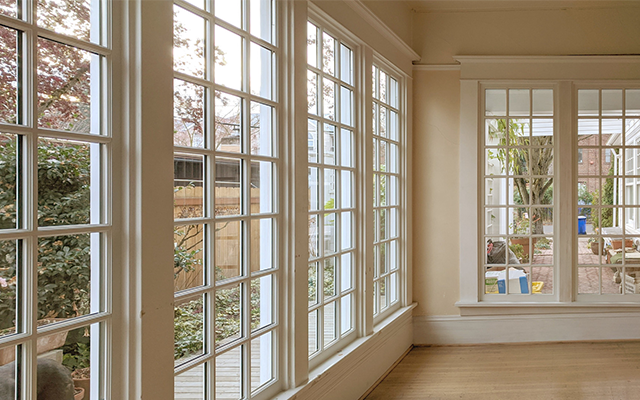
Aesthetic versatility is another advantage of aluminum hung windows. Aluminum frames are available in a wide range of colors, finishes, and styles, allowing you to customize them to match your home’s exterior and interior decor. Whether your home is modern, traditional, coastal, or industrial, there is an aluminum hung window design that will complement it. For a modern look, opt for slim-profile frames in neutral colors like matte black, white, or brushed aluminum, paired with large, unobstructed glass panes. For a traditional look, choose wood-clad aluminum frames (with a wood interior and aluminum exterior) or frames with decorative grids or mullions, which divide the glass into smaller panes. For a coastal look, choose light-colored frames (white, cream, or light gray) with clear or lightly tinted glass to maximize natural light and unobstructed views. Additionally, aluminum hung windows can be customized with different glass types, such as frosted glass (for privacy in bathrooms or bedrooms) or stained glass (for a decorative touch).
Functionality is another key benefit of aluminum hung windows for homes. Their vertical sliding design makes them easy to operate, even for children or elderly family members. The sashes slide smoothly along tracks, and most models feature balances (spring-loaded or counterweight) that make opening and closing the window effortless. Additionally, hung windows are space-saving, as they do not swing outward or inward like casement windows, making them ideal for areas where space is limited—such as above kitchen sinks, in hallways, or in small bedrooms. For added convenience, many double-hung windows feature tilt-in sashes, which allow you to clean the exterior glass from inside your home, eliminating the need for ladders and making cleaning safer and easier.
When choosing aluminum hung windows for your home, there are several key considerations to keep in mind. First, consider the size of the window. Aluminum hung windows are available in a wide range of sizes, from small windows (e.g., 24x36 inches) to large windows (e.g., 48x72 inches). The size of the window should be proportional to the size of the room and the wall space where it will be installed. For example, a small bedroom may benefit from a 24x36-inch single-hung window, while a large living room may require a 48x72-inch double-hung window to maximize natural light and ventilation.
Second, consider the type of sash (single-hung vs. double-hung). As discussed earlier, single-hung windows are more affordable and simpler, while double-hung windows offer better ventilation and easier cleaning. If you prioritize ventilation and convenience, double-hung windows are a better choice. If budget is a concern, single-hung windows may be the way to go.
Third, consider the frame quality and thickness. Aluminum frames are available in different grades and thicknesses, with higher-grade, thicker frames being more durable and energy-efficient. For residential use, frames with a thickness of 1.4mm to 2.0mm are typically sufficient, but if you live in an area with harsh weather conditions (such as high winds or heavy snow), you may want to opt for thicker frames (2.0mm to 3.0mm) for added strength. Additionally, look for frames with thermal breaks to improve energy efficiency.
Fourth, consider the glass type. The type of glass you choose will impact the window’s energy efficiency, safety, and privacy. For most homes, double-pane Low-E glass is a good choice, as it offers excellent insulation and UV protection. If you need privacy (e.g., in a bathroom), consider frosted or tinted glass. If safety is a concern (e.g., windows near doors or on lower floors), choose tempered glass, which is stronger and safer than regular glass.
Fifth, consider the finish of the frame. Aluminum frames are available in a variety of finishes, including anodized, powder-coated, painted, and wood-clad. Anodized finishes are durable and low-maintenance, available in natural aluminum tones or colored options. Powder-coated finishes are available in virtually any color, allowing you to match the window to your home’s exterior or interior decor. Painted finishes are less common but offer a smooth, uniform look. Wood-clad finishes add warmth and elegance, with a wood interior and aluminum exterior.
Installation is another important consideration when choosing aluminum hung windows for your home. While some homeowners may choose to install the windows themselves, professional installation is recommended, especially for double-hung or larger windows. Professional installers have the experience and tools needed to ensure the windows are installed correctly, with proper alignment, sealing, and insulation. Improper installation can lead to air leakage, water infiltration, and reduced energy efficiency. When hiring an installer, be sure to choose a reputable company with experience installing aluminum hung windows, and ask for references and a detailed quote.
Maintenance of aluminum hung windows is simple and straightforward. To keep your windows in good condition, clean the frames and glass regularly with a damp cloth and mild detergent. Avoid using harsh chemicals or abrasive cleaners, as they can damage the finish of the frame or the glass. Check the sash tracks regularly for debris, and clean them with a soft brush to ensure the sashes slide smoothly. Inspect the weatherstripping and sealant around the window for cracks or wear, and replace them if necessary to prevent air and water leakage. Additionally, check the balances (spring-loaded or counterweight) periodically to ensure they are working properly, and lubricate the tracks with a silicone-based lubricant if the sashes become difficult to slide.
When it comes to cost, aluminum hung windows are generally more affordable than wood hung windows but more expensive than vinyl hung windows. The cost varies based on the size, type (single-hung vs. double-hung), frame quality, glass type, finish, and installation costs. On average, a single-hung aluminum window (standard size, mid-grade materials) costs between $200 and $500, including installation. A double-hung aluminum window (standard size, mid-grade materials) costs between $300 and $700, including installation. Larger windows or windows with custom features (such as wood-clad frames or decorative glass) will cost more. It is important to budget for the windows and installation, and to compare quotes from multiple suppliers and installers to ensure you are getting a competitive price.
Aluminum hung windows are also a great choice for homeowners looking to increase the value of their home. Their durability, energy efficiency, and aesthetic appeal make them an attractive feature for potential buyers. Additionally, aluminum hung windows are low-maintenance, which is a major selling point for homeowners who do not want to spend time and money on window upkeep.
In conclusion, aluminum hung windows are an excellent choice for residential homes, offering a perfect combination of functionality, durability, energy efficiency, and aesthetic versatility. Whether you choose single-hung or double-hung windows, you can customize them to match your home’s style and meet your specific needs. With proper installation and maintenance, aluminum hung windows will provide years of reliable performance, enhancing the comfort, beauty, and value of your home. If you are in the market for new windows, consider aluminum hung windows—they are a practical, long-lasting, and stylish option that will not disappoint.









 CN
CN