

Time:2026-04-25 Views:0
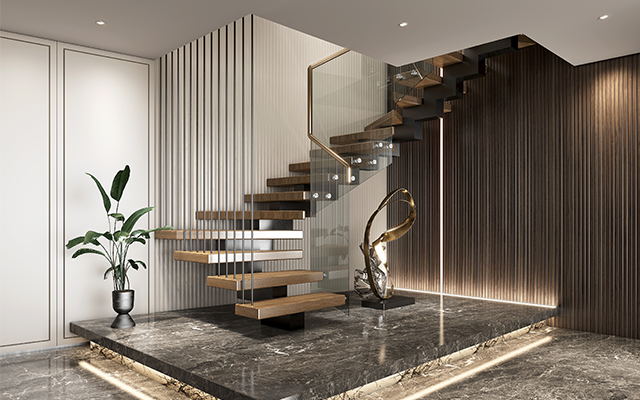
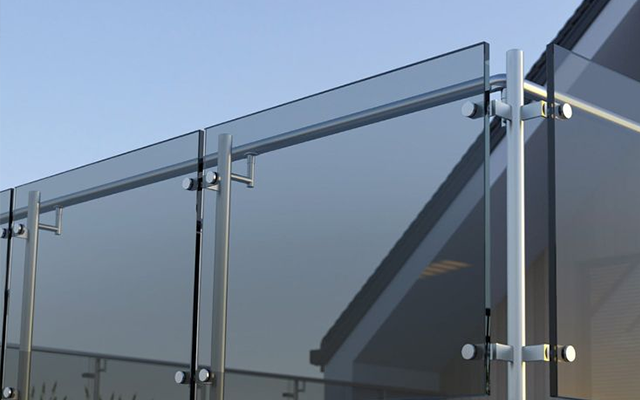
Renovating a curved staircase in a commercial hotel is an opportunity to enhance aesthetics, improve functionality, and align the design with modern guest expectations—all while preserving the staircase’s structural integrity. One impactful idea is updating materials to balance luxury and durability: replacing outdated carpet with high-performance vinyl or hardwood treads (with non-slip coatings) can refresh the look while reducing maintenance costs, or adding a glass balustrade with stainless steel handrails can create a sleek, contemporary vibe that complements modern hotel decor. For historic hotels, a sympathetic renovation might involve restoring original woodwork, refinishing treads with stain that matches the hotel’s heritage aesthetic, and replacing worn balusters with period-appropriate designs to maintain architectural authenticity.
Another key renovation focus is functionality and accessibility. Adding integrated LED lighting under the treads or along the handrails improves visibility and creates a warm, inviting ambiance, while widening treads (where structurally possible) enhances comfort for guests with luggage. For hotels aiming to boost sustainability, incorporating reclaimed wood for treads or using low-VOC finishes can align the renovation with eco-friendly values. Additionally, upgrading the staircase’s support system during renovation—such as reinforcing stringers or adding a hidden steel frame—can improve safety and extend the staircase’s lifespan. Whether the goal is to modernize, preserve, or improve functionality, a successful curved staircase renovation should harmonize with the hotel’s overall design language and cater to the needs of its guests.
Curved Staircase for Commercial Hotel
A curved staircase is a statement piece for commercial hotels, blending architectural grandeur with practical functionality to elevate the guest experience. In hotel lobbies, a sweeping curved staircase serves as a focal point, creating a sense of luxury and elegance that leaves a lasting first impression. Unlike straight staircases, curved designs soften the linearity of large lobby spaces, adding visual interest and flow that guides guests toward key areas like reception desks or restaurant entrances. Beyond aesthetics, curved staircases offer practical benefits for hotel layouts: their compact footprint (when designed as a spiral or half-curve) can optimize space in smaller lobbies, while wider, gently curved designs can accommodate high foot traffic during peak hours, such as check-in/check-out times.
When incorporating a curved staircase into a commercial hotel, design considerations must prioritize guest comfort and safety. Tread width should be a minimum of 24 inches (61 cm) per person, with a shallow riser height (7–8 inches) to reduce fatigue for guests carrying luggage. Handrails are essential on both sides, with a height of 34–38 inches (86–97 cm) and a non-slip surface. Material selection should balance luxury and durability: marble or granite treads exude opulence for high-end hotels, while engineered wood or composite materials offer a warmer look with lower maintenance. Additionally, integrating lighting—such as chandeliers above the staircase or LED strips along the edges—enhances the staircase’s visual appeal and improves safety. For hotels with multiple floors, a curved staircase can also serve as a secondary egress route, complying with fire safety codes while adding architectural charm.









 CN
CN