

Time:2025-12-11 Views:0
Eco-friendly entry doors prioritize sustainability throughout their lifecycle—from material sourcing and manufacturing to installation and disposal—making them an ideal choice for environmentally conscious homeowners. These doors reduce carbon footprints, minimize waste, and often improve indoor air quality, while still delivering durability, style, and functionality. By focusing on renewable materials, low-impact production, and energy efficiency, eco-friendly entry doors align with green building practices and help create healthier, more sustainable homes.
Sustainable material selection is the cornerstone of eco-friendly entry doors. FSC-certified wood is a top choice for wooden doors: the Forest Stewardship Council (FSC) certifies wood from forests managed responsibly, ensuring trees are replanted, biodiversity is protected, and local communities are supported. FSC-certified hardwoods (like oak, maple, or cherry) or softwoods (like pine) are harvested without deforestation or harmful chemicals, making them a renewable alternative to non-certified wood. For non-wood options, recycled materials are key: recycled steel or aluminum doors repurpose industrial waste, reducing the need for virgin metal mining (which is energy-intensive and environmentally damaging). Recycled fiberglass doors, made from post-consumer or post-industrial fiberglass waste, also minimize landfill waste and lower manufacturing emissions.
Low-VOC (volatile organic compound) finishes and adhesives are essential for eco-friendly doors. Traditional paints, stains, and glues release VOCs into the air, which can cause indoor air pollution and health issues (such as respiratory irritation). Eco-friendly doors use water-based paints, plant-based stains, or natural oils (like linseed or beeswax) that have low or no VOCs. These finishes are not only better for the environment but also safer for homeowners, especially those with allergies or sensitivities. Adhesives used in door construction (to bond cores, skins, or glass panels) are also low-VOC, ensuring the door does not off-gas harmful chemicals once installed.
Energy efficiency is a natural complement to eco-friendliness. Eco-friendly entry doors often include the same energy-saving features as energy-efficient doors—insulated cores (like polyurethane foam made from renewable materials), double-paned low-E glass, and airtight seals—reducing heat transfer and lowering energy use. This not only cuts utility bills but also reduces reliance on fossil fuels (used to generate electricity for heating and cooling), further minimizing environmental impact. Some eco-friendly doors even integrate solar panels into glass panels, generating renewable energy to power small home devices (like entryway lights), though this is a more specialized option.
Sustainable manufacturing processes also define eco-friendly entry doors. Manufacturers of these doors often use renewable energy (solar, wind, or hydroelectric power) to power their factories, reducing carbon emissions during production. They also implement waste-reduction strategies, such as recycling manufacturing scraps (like wood shavings or metal cuttings) and using minimal packaging (made from recycled or compostable materials). Additionally, many eco-friendly door brands offer take-back programs, ensuring old doors are recycled or repurposed rather than sent to landfills at the end of their lifecycle.
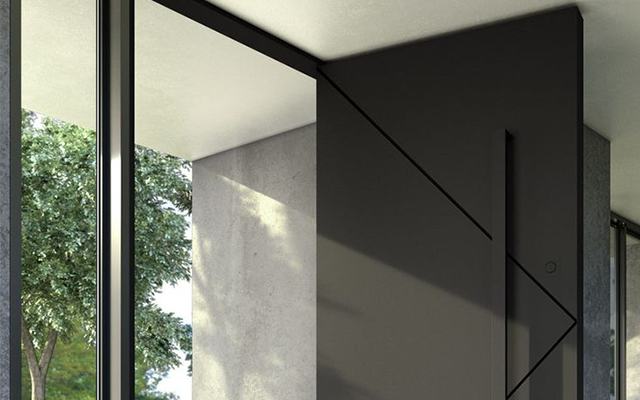
Eco-friendly entry doors are available in a range of styles to match any home’s architecture—from modern recycled steel panels to traditional FSC-certified wooden designs. They prove that sustainability does not require sacrificing style or performance: homeowners can enjoy a beautiful, durable entry door while knowing they are making a positive impact on the environment. Whether building a new home or replacing an old door, eco-friendly entry doors are a responsible choice that benefits both the planet and the home’s inhabitants.













 CN
CN