

Time:2026-04-23 Views:0
Australia’s unique climate, lifestyle, and architectural styles have a significant impact on the design and selection of kitchen cabinets. From the hot, dry conditions of Western Australia to the humid subtropics of Queensland and the temperate climate of New South Wales and Victoria, Australian homeowners require kitchen cabinets that are durable, weather-resistant, and tailored to their specific needs. Additionally, Australia’s diverse architectural styles—from coastal beach houses and rural farmhouses to modern urban apartments and heritage homes—demand kitchen cabinets that complement the home’s overall aesthetic while providing practical storage and functionality. This comprehensive guide focuses on kitchen cabinets for Australia, covering key considerations such as climate adaptation, material selection, design trends, compliance with Australian standards, and customization options, helping Australian homeowners and designers choose the perfect kitchen cabinets for their space.
One of the most important considerations when choosing kitchen cabinets for Australia is the climate. Australia’s climate varies significantly across the country, and kitchen cabinets must be able to withstand the unique challenges posed by each region. In hot, dry regions like Western Australia, South Australia, and parts of New South Wales and Queensland, kitchen cabinets are exposed to high temperatures and low humidity, which can cause wood to dry out, warp, or crack. In humid regions like coastal Queensland, the Northern Territory, and parts of New South Wales, cabinets are at risk of moisture damage, mold, and mildew. In temperate regions like Victoria, Tasmania, and parts of New South Wales, cabinets must be able to withstand temperature fluctuations and occasional moisture.
To address these climate challenges, it is essential to choose materials that are suitable for Australia’s conditions. Wood is a popular choice for kitchen cabinets in Australia, but it is important to select wood types that are resistant to moisture and temperature changes. Hardwoods like teak, mahogany, and jarrah are ideal for Australian climates, as they are naturally resistant to rot, insects, and moisture. Jarrah, in particular, is a native Australian hardwood that is known for its durability, strength, and resistance to termites, making it a popular choice for kitchen cabinets in Western Australia. Other suitable wood types include oak, maple, and birch, which can be treated with sealants or finishes to enhance their resistance to moisture and temperature changes.
Laminate and thermofoil cabinets are also popular in Australia, as they are resistant to moisture, stains, and temperature fluctuations, making them suitable for all climate regions. Laminate cabinets are affordable and available in a wide range of colors and patterns, including wood grain, solid colors, and stone-like finishes, making them a practical choice for busy Australian kitchens. Thermofoil cabinets are even more resistant to moisture than laminate, making them ideal for humid coastal regions. They are available in high-gloss and matte finishes, and they are easy to clean and maintain, which is a plus for Australian homeowners who value low-maintenance living.
Stainless steel cabinets are another option for Australian kitchens, particularly in modern homes and coastal areas. Stainless steel is resistant to moisture, salt air, and stains, making it ideal for coastal regions where saltwater can damage other materials. It is also easy to clean and maintain, and it has a sleek, modern look that complements contemporary kitchen designs. However, stainless steel cabinets are more expensive than other materials, and they can show fingerprints and smudges easily, which may be a consideration for some homeowners.
In addition to climate considerations, Australian homeowners also value functionality and storage in their kitchen cabinets. Australia’s lifestyle often revolves around outdoor entertaining and family meals, so kitchen cabinets must be able to accommodate a wide range of cookware, utensils, appliances, and food items. Pull-out drawers, lazy Susans, corner cabinets, and vertical storage solutions are popular in Australian kitchens, as they maximize storage space and make it easy to access items. Many Australian homeowners also opt for built-in appliances, such as ovens, microwaves, and dishwashers, which are integrated into the cabinetry to create a seamless, streamlined look.
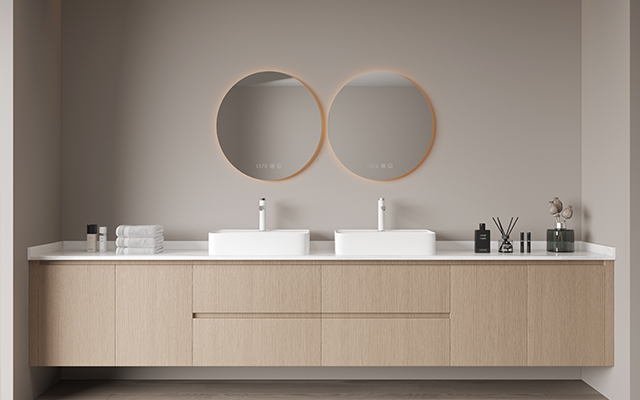
Design trends for kitchen cabinets in Australia are influenced by the country’s unique lifestyle and architectural styles. Coastal homes often feature light, bright kitchen cabinets in colors like white, beige, or light gray, with natural wood accents and glass-front doors to create a fresh, beachy feel. Rural farmhouses and heritage homes often use natural wood cabinets in warm tones, such as jarrah, oak, or pine, with traditional details like raised panels and decorative moldings. Modern urban apartments and contemporary homes often feature sleek, minimalist cabinets in neutral colors, with flat panels, clean lines, and minimal hardware. High-gloss finishes are also popular in modern Australian kitchens, as they reflect light and create a bright, airy atmosphere.
Another important consideration for kitchen cabinets in Australia is compliance with Australian standards. The Australian Building Code (ABC) sets out minimum requirements for the construction and installation of kitchen cabinets, ensuring that they are safe, durable, and functional. Kitchen cabinets must be constructed from materials that are non-toxic and fire-resistant, and they must be installed correctly to ensure stability and safety. Additionally, cabinets must meet certain environmental standards, such as being made from sustainable or recycled materials, to reduce their environmental impact. Many Australian cabinet manufacturers are certified by organizations like the Forest Stewardship Council (FSC), which ensures that the wood used in their cabinets is sustainably sourced.
Customization is also a key trend in Australian kitchen cabinets, as homeowners seek to create a space that is tailored to their unique needs and preferences. Many Australian cabinet manufacturers offer custom sizing, allowing homeowners to get cabinets that fit perfectly in their kitchen, even if it is an unusual size or shape. Custom cabinets can also be designed with unique features, such as built-in wine racks, pet feeding stations, or spice racks, to meet the specific needs of the homeowner. Additionally, homeowners can choose from a variety of finishes, colors, and materials to create a unique look that reflects their personal style and complements their home’s architecture.
Lighting is another important aspect of kitchen cabinets in Australia, as the country’s abundant natural light can be leveraged to create a bright, inviting kitchen. Under-cabinet lighting is popular in Australian kitchens, as it provides task lighting for countertop work areas and enhances the overall brightness of the space. Over-cabinet lighting can add ambient lighting, highlighting the top of the cabinets and creating a warm, cozy atmosphere. In-cabinet lighting is also used to showcase decorative items or glassware, adding a touch of elegance to the kitchen. Many Australian homeowners also opt for energy-efficient LED lighting, which is cost-effective and environmentally friendly.
Maintenance is a crucial consideration for kitchen cabinets in Australia, as the country’s climate can be harsh on materials. Wood cabinets require regular maintenance, such as refinishing every 3-5 years, to protect them from moisture and temperature changes. Laminate and thermofoil cabinets are easier to maintain, requiring only regular cleaning with a mild detergent and water. Stainless steel cabinets can be cleaned with a stainless steel cleaner to remove fingerprints and smudges. It is also important to check the cabinet hardware regularly, lubricating hinges and drawer slides as needed to ensure smooth operation.
Cost is another factor to consider when choosing kitchen cabinets for Australia. The cost of kitchen cabinets varies depending on the material, design complexity, and customization options. Stock cabinets are the most affordable option, available in standard sizes and designs. Semi-custom cabinets offer more flexibility in terms of size and design, at a moderate cost. Custom cabinets are the most expensive option but offer the greatest flexibility and can be tailored to the homeowner’s exact needs. Australian homeowners should also consider the long-term value of their cabinets, as a high-quality, durable cabinet system will last for decades and can increase the resale value of their home.
When choosing a cabinet manufacturer in Australia, it is important to select a reputable company with experience in designing and installing kitchen cabinets for Australian conditions. Many Australian cabinet manufacturers offer free design consultations, helping homeowners create a cabinet system that meets their needs and budget. It is also important to check the manufacturer’s warranty, as a good warranty will provide peace of mind and protection against defects or damage.
In conclusion, kitchen cabinets for Australia must be designed to withstand the country’s unique climate, meet the needs of Australian homeowners’ lifestyles, and comply with Australian standards. By choosing the right materials, design style, and storage solutions, Australian homeowners can create a kitchen that is both beautiful and functional. Whether you are building a new home, renovating an existing kitchen, or updating your cabinets, it is important to consider the climate, lifestyle, and architectural style of your home to ensure that your kitchen cabinets are a perfect fit. With the right cabinets, your kitchen can become the heart of your home, a space where you can cook, entertain, and create memories for years to come.









 CN
CN