

Time:2025-12-01 Views:0
Replacing old entry doors is a worthwhile home improvement project that enhances security, energy efficiency, and curb appeal—yet it requires careful planning and execution to ensure optimal results. The first step in the replacement process is assessing the need for a new door: signs like drafts, difficulty opening/closing, visible damage (rot, cracks, or dents), or outdated style indicate that a replacement is necessary. Before purchasing a new door, homeowners should take precise measurements of the existing door opening to ensure a proper fit—measuring width (top, middle, bottom), height (left, right, center), and depth of the frame to avoid gaps or misalignment.
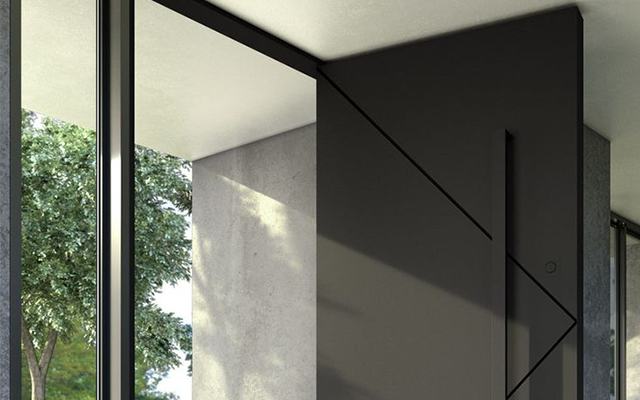
Selecting the right replacement door is critical, as it impacts both functionality and aesthetics. Homeowners should consider material (wood, fiberglass, steel) based on their climate, maintenance preferences, and budget: steel doors excel in security and durability, fiberglass offers low maintenance and wood-like aesthetics, and wood provides classic charm but requires more upkeep. Energy efficiency is another key factor—look for doors with high R-values (insulation), weatherstripping, and insulated cores to reduce utility costs. Additionally, the new door’s style should complement the home’s architecture; for example, a modern steel door may suit a contemporary home, while a wooden paneled door fits a traditional cottage.
The replacement process begins with removing the old door. Start by taking off hardware (knobs, locks, hinges) and then prying the door from the frame—use caution to avoid damaging the surrounding wall or frame. If the frame is in good condition (no rot, warping, or damage), the new door can be installed directly; if the frame is compromised, it should be replaced to ensure structural integrity. Installing the new door involves aligning it in the frame, securing it with hinges, and adding weatherstripping to seal gaps. For pre-hung doors (which come with a frame), the process is simpler: slide the frame into the opening, level it with shims, and secure it to the wall studs.
After installation, test the door to ensure it opens and closes smoothly, and check for drafts. Add new hardware (knobs, locks, deadbolts) according to the manufacturer’s instructions, and consider adding a door sweep to block air flow at the bottom. While DIY replacement is possible for experienced homeowners, hiring a professional installer is recommended for complex projects (e.g., irregular openings, heavy doors) to ensure safety and proper functionality. By following these steps, homeowners can enjoy a new entry door that enhances their home’s value, comfort, and style for years to come.












 CN
CN