

Time:2026-04-02 Views:0
Spiral staircase safety standards are a set of guidelines designed to ensure that these unique staircases are safe for use in both residential and commercial settings. These standards vary slightly by region but generally cover key aspects such as tread dimensions, riser height, handrail requirements, and structural stability. One of the most critical requirements is tread width: according to most international standards (including the International Building Code, IBC), the minimum tread width at the walk line (typically 250mm from the inner edge) should be at least 250mm (10 inches). This ensures that there is enough space for a person’s foot to land safely, reducing the risk of tripping. Additionally, the riser height (the vertical distance between consecutive treads) should be consistent throughout the staircase, with a maximum height of 220mm (8.5 inches) to prevent excessive stepping effort.
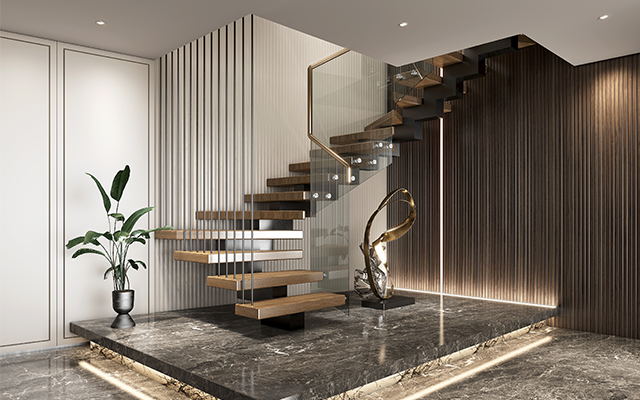
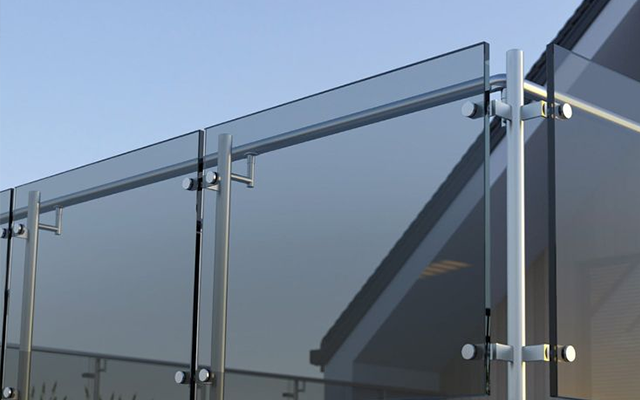
Handrail requirements are another important part of spiral staircase safety standards. Handrails must be installed on at least one side of the staircase, with a height between 900mm and 1100mm (35 to 43 inches) from the tread surface. The handrail should be continuous along the entire length of the staircase, with a smooth surface to prevent injuries and sufficient grip. Balusters (the vertical supports for the handrail) must also meet spacing requirements—typically, the gap between balusters should not exceed 100mm (4 inches) to prevent small children from getting their heads or limbs stuck. Structural stability is also a core requirement: the central support pole, treads, and fasteners must be strong enough to bear the intended load (usually a minimum of 2.5 kN/m² for residential use and higher for commercial spaces).
Other safety standards include requirements for non-slip tread surfaces—treads should have a textured surface or be covered with non-slip materials to prevent slipping, especially in wet conditions. Additionally, spiral staircases used in commercial spaces may have additional requirements, such as adequate lighting and clearances for wheelchair users (though spiral staircases are generally not recommended as the primary means of egress for people with disabilities). Compliance with these safety standards is not only a legal requirement in most regions but also essential for protecting the well-being of those who use the staircase. Regular inspections to ensure that the staircase continues to meet these standards are also recommended, as wear and tear can compromise safety over time.











 CN
CN