

Time:2026-04-25 Views:0
Timber veneer kitchen cabinets have emerged as a popular choice among homeowners and interior designers alike, offering a perfect balance of aesthetic appeal, durability, and affordability that makes them suitable for a wide range of kitchen styles. Unlike solid wood cabinets, which are crafted from a single piece of wood, timber veneer cabinets feature a thin layer of real wood (known as the veneer) bonded to a sturdy core material, such as plywood, MDF (medium-density fiberboard), or particleboard. This construction method combines the natural beauty of real wood with the practical benefits of engineered materials, resulting in cabinets that are both visually stunning and functionally reliable.
To understand timber veneer kitchen cabinets fully, it is essential to break down their key components and construction process. The veneer itself is a thin slice of wood, typically ranging from 0.6mm to 3mm in thickness, which is cut from high-quality hardwoods such as oak, maple, cherry, walnut, or ash. The cutting process is crucial to preserving the natural grain pattern of the wood; common cutting methods include flat slicing, quarter slicing, and rift slicing, each producing a distinct grain appearance. Flat slicing, for example, yields a broad, cathedral-like grain pattern, while quarter slicing creates a straighter, more uniform grain, and rift slicing results in a subtle, linear pattern. This variety in grain patterns allows homeowners to choose a veneer that complements their kitchen’s overall design theme, whether it be traditional, modern, rustic, or contemporary.
The core material beneath the veneer plays a vital role in the cabinet’s strength, stability, and longevity. Plywood is a popular choice for the core due to its cross-layered construction, which makes it resistant to warping, shrinking, and expanding when exposed to changes in temperature and humidity—common issues in kitchens, where heat from stoves and moisture from sinks can cause damage to less stable materials. MDF, on the other hand, is a dense, smooth material that provides a uniform surface for the veneer to adhere to, making it ideal for cabinets with a sleek, modern finish. Particleboard, while more affordable, is less durable than plywood or MDF and is best suited for cabinets that will not be subjected to heavy use or extreme environmental conditions. Regardless of the core material, the veneer is bonded to the core using high-quality adhesives that ensure a strong, long-lasting bond, preventing the veneer from peeling or lifting over time.
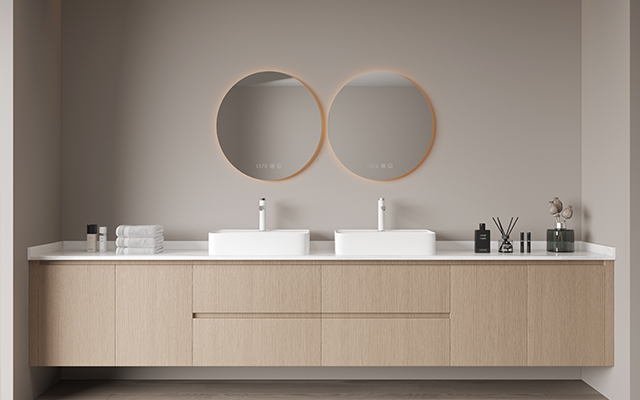
One of the most significant advantages of timber veneer kitchen cabinets is their aesthetic versatility. Because the veneer is made from real wood, it retains all the natural beauty, warmth, and character of solid wood, including unique grain patterns, color variations, and natural imperfections that add charm and personality to the kitchen. Unlike laminate or thermofoil cabinets, which often have a synthetic, artificial appearance, timber veneer cabinets offer a genuine wood look that is difficult to replicate with other materials. Additionally, veneer cabinets can be stained, painted, or finished in a variety of ways to match any design style. For a traditional kitchen, a warm oak or cherry veneer with a natural stain can create a cozy, timeless feel, while a walnut or ash veneer with a matte finish can complement a modern, minimalist kitchen. Veneer cabinets can also be distressed or antiqued to achieve a rustic look, making them a versatile option for any home.
In terms of durability, timber veneer kitchen cabinets are surprisingly robust, especially when constructed with a high-quality core and proper finishing. The veneer layer, while thin, is resistant to scratches, dents, and stains when properly sealed with a protective finish, such as polyurethane or lacquer. This protective layer also helps to prevent the wood from fading when exposed to sunlight, ensuring that the cabinets maintain their appearance for years to come. Unlike solid wood, which can be prone to warping or cracking in humid environments, the engineered core of veneer cabinets provides greater stability, making them an excellent choice for kitchens in areas with high humidity or temperature fluctuations. With proper care and maintenance—such as regular cleaning with a soft cloth and mild detergent, avoiding harsh chemicals, and wiping up spills immediately—timber veneer cabinets can last for 15 to 20 years or more.
Another key benefit of timber veneer kitchen cabinets is their affordability compared to solid wood cabinets. Solid wood cabinets are often significantly more expensive due to the high cost of raw materials and the labor-intensive process of crafting them from a single piece of wood. Timber veneer cabinets, by contrast, use a much smaller amount of real wood, making them a more cost-effective option while still offering the same natural aesthetic. This affordability makes veneer cabinets accessible to homeowners with a wide range of budgets, allowing them to achieve the look of solid wood without breaking the bank. Additionally, the engineered core of veneer cabinets is often lighter than solid wood, which can reduce installation costs and make the cabinets easier to handle during the installation process.
When it comes to design options, timber veneer kitchen cabinets offer a wealth of possibilities. They can be customized in terms of size, shape, and configuration to fit any kitchen layout, whether it be a small galley kitchen or a large open-concept space. Veneer cabinets are available in a variety of door styles, including shaker, flat-panel, raised-panel, and inset, allowing homeowners to choose a style that complements their kitchen’s overall design. They can also be paired with a wide range of hardware, such as handles, knobs, and pulls, in different materials and finishes, such as brass, stainless steel, or matte black, to add a personal touch. Additionally, veneer cabinets can be combined with other materials, such as glass doors, metal accents, or stone countertops, to create a unique and cohesive look.
It is important to note that not all timber veneer kitchen cabinets are created equal, and the quality can vary significantly depending on the manufacturer and the materials used. When choosing veneer cabinets, it is essential to look for high-quality veneer that is thick enough (at least 1mm) to withstand wear and tear, as well as a sturdy core material that provides stability. It is also important to ensure that the veneer is properly bonded to the core and that the cabinets are finished with a high-quality protective coating. Reputable manufacturers will use high-grade adhesives and finishes, and they will often offer warranties to back up their products, giving homeowners peace of mind.
In terms of maintenance, timber veneer kitchen cabinets are relatively low-maintenance compared to solid wood cabinets. Unlike solid wood, which may require periodic sanding and refinishing to maintain its appearance, veneer cabinets can be kept looking like new with simple regular cleaning. It is important to avoid using abrasive cleaners or scrub brushes, as these can scratch the veneer surface. Instead, a soft cloth dampened with warm water and a mild, non-abrasive detergent is sufficient to clean the cabinets. For stubborn stains, a small amount of vinegar or baking soda mixed with water can be used, but it is important to test this on a small, inconspicuous area first to ensure it does not damage the finish. Additionally, it is important to avoid placing hot items directly on the cabinet surfaces, as this can cause the veneer to warp or discolor.
Timber veneer kitchen cabinets are also an environmentally friendly option compared to solid wood cabinets. Because they use a smaller amount of real wood, they help to conserve natural resources and reduce deforestation. Additionally, many manufacturers use sustainable forestry practices to source their veneer, ensuring that the wood is harvested in a way that minimizes environmental impact. The engineered core materials, such as plywood and MDF, are often made from recycled wood fibers, further reducing their environmental footprint. For homeowners who are conscious about sustainability, timber veneer cabinets offer a great way to achieve a natural wood look without compromising on environmental values.
In conclusion, timber veneer kitchen cabinets are an excellent choice for homeowners who want the natural beauty of real wood combined with the durability, affordability, and versatility of engineered materials. They offer a wide range of design options, are easy to maintain, and are environmentally friendly, making them suitable for any kitchen style and budget. Whether you are renovating your kitchen or building a new home, timber veneer cabinets are a practical and stylish choice that will enhance the beauty and functionality of your space for years to come.









 CN
CN