

Time:2026-01-26 Views:0
UPVC (unplasticized polyvinyl chloride) windows are an excellent option for cold climates, thanks to their exceptional thermal insulation properties that help keep homes warm and energy-efficient during harsh winter months. In cold regions, the primary challenge for windows is preventing heat loss, which can lead to high heating costs and uncomfortable indoor temperatures. UPVC windows address this issue with their multi-chambered profile design—these chambers trap air, creating a thermal barrier that slows down the transfer of heat from the inside to the outside. This design is far more effective than traditional window materials like aluminum, which is a good conductor of heat and tends to lose warmth quickly.
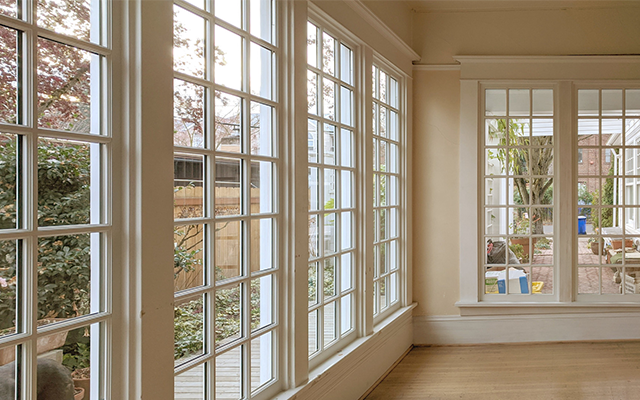
Another key advantage of UPVC windows in cold climates is their resistance to extreme weather conditions. Unlike wood, which can warp, rot, or crack when exposed to freezing temperatures and moisture, UPVC is impervious to water and does not expand or contract significantly with temperature changes. This stability ensures that the windows maintain a tight seal, preventing cold drafts from entering the home. Additionally, UPVC windows are often paired with double or triple glazing, which enhances their thermal performance further. The glass panes are usually coated with low-emissivity (Low-E) coatings that reflect heat back into the room while allowing natural light to pass through. With their combination of thermal efficiency, weather resistance, and low maintenance, UPVC windows are a reliable and cost-effective choice for homes in cold climates, providing long-term comfort and energy savings.










 CN
CN