

Time:2026-01-26 Views:0
UPVC windows have become a top choice for residential homes due to their exceptional combination of durability, energy efficiency, low maintenance, and affordability, making them suitable for a wide range of architectural styles—from modern apartments to traditional single-family homes. Unlike wooden windows that require regular painting or staining to prevent rot and decay, or aluminum windows that conduct heat easily, UPVC windows are inherently resistant to moisture, corrosion, and UV damage, retaining their shape and appearance for decades with minimal upkeep. Their hollow, multi-chambered design provides excellent thermal insulation, trapping air inside the chambers to reduce heat transfer between the interior and exterior of the home, which translates to lower heating and cooling costs and a more comfortable living environment year-round.
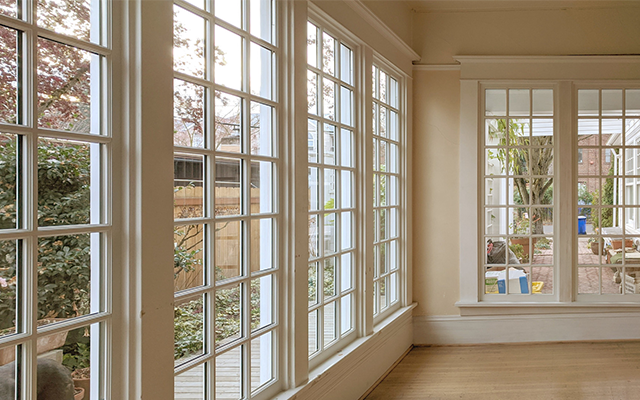
Security and customization are additional key benefits of UPVC windows for residential use. Modern UPVC windows are equipped with advanced multi-point locking systems that offer superior security compared to traditional single-point locks, deterring potential intruders and providing homeowners with peace of mind. They also come in a variety of colors, finishes, and styles—including casement, sliding, tilt-and-turn, and sash windows—allowing homeowners to match the windows to their home’s interior and exterior design. Furthermore, UPVC windows are lightweight yet strong, making them easy to install and operate, even for large window openings. Their sound insulation properties are another advantage, reducing external noise from traffic, neighbors, or construction, creating a quieter and more serene indoor space. For residential homeowners looking for a window solution that offers long-term value, energy savings, and minimal maintenance, UPVC windows are an excellent investment that enhances both the functionality and appeal of their home.









 CN
CN