

Time:2026-01-26 Views:0
Vinyl windows have become a preferred choice for commercial office buildings, thanks to their unique combination of durability, energy efficiency, and cost-effectiveness that aligns with the operational needs of commercial spaces. Unlike traditional materials such as wood or aluminum, vinyl (PVC) is inherently resistant to rot, corrosion, and insect damage, eliminating the need for frequent maintenance— a critical advantage for office managers looking to reduce long-term operational costs. This low-maintenance nature means no repainting, staining, or sealing, allowing businesses to allocate resources to core operations rather than building upkeep.
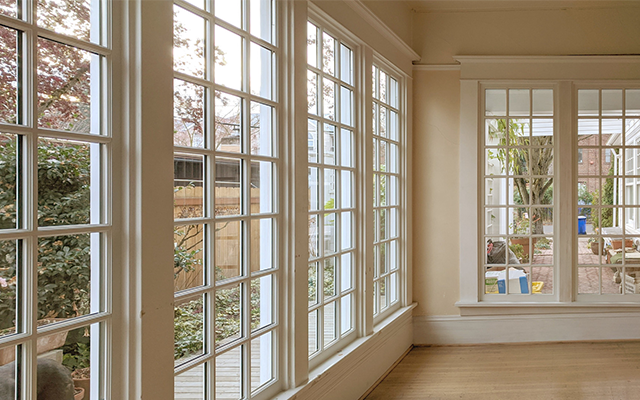
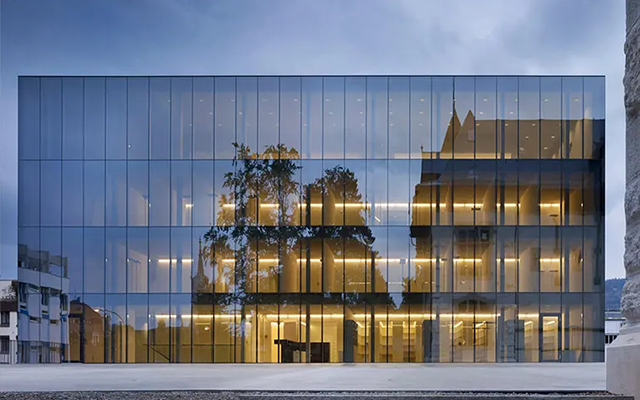
In addition to durability, vinyl windows excel in thermal insulation, which is essential for maintaining a comfortable and consistent indoor temperature in commercial offices. Poorly insulated windows can lead to significant energy loss, driving up heating and cooling expenses. Vinyl’s natural insulating properties, combined with advanced multi-chambered frame designs and high-performance glass options (such as double or triple glazing), help minimize heat transfer, resulting in lower utility bills year-round. Furthermore, vinyl windows offer excellent sound insulation, creating a quiet and productive work environment by reducing external noise from traffic, construction, or surrounding businesses. They are also highly customizable in terms of size and configuration, making them suitable for various office layouts— from small private offices to large open-plan spaces with expansive window walls. With their sleek, modern appearance, vinyl windows can enhance the aesthetic appeal of commercial buildings while meeting strict building codes and sustainability standards.











 CN
CN