




Time:2026-06-04 Views:0
Small spaces, whether they are compact apartments, tiny home offices, narrow hallways, or cozy corner nooks, present unique challenges when it comes to choosing windows. These spaces often require solutions that maximize natural light, optimize ventilation, preserve floor and wall space, and enhance aesthetic appeal without making the area feel cramped. Aluminum awning windows have emerged as a standout choice for small spaces, offering a perfect blend of functionality, durability, and space-saving design. Unlike traditional casement or sliding windows that may require additional clearance to operate or take up valuable interior space, aluminum awning windows are engineered to work seamlessly in tight quarters, delivering practical benefits while elevating the overall look and feel of the space.
To understand why aluminum awning windows are ideal for small spaces, it is first essential to grasp their core design. Awning windows are hinged at the top, with the sash opening outward from the bottom, creating a small “awning” effect—hence their name. This unique opening mechanism is a game-changer for small spaces, as it eliminates the need for interior or exterior clearance that other window types demand. For example, casement windows swing inward or outward, requiring space inside the room (if inward-swinging) or outside the building (if outward-swinging) to fully open, which is often unavailable in compact areas. Sliding windows, on the other hand, require horizontal space for the sash to slide, which can limit furniture placement or wall usage. Aluminum awning windows, by contrast, open outward from the bottom without encroaching on interior space, allowing furniture to be placed close to the window and maximizing every square inch of the room.
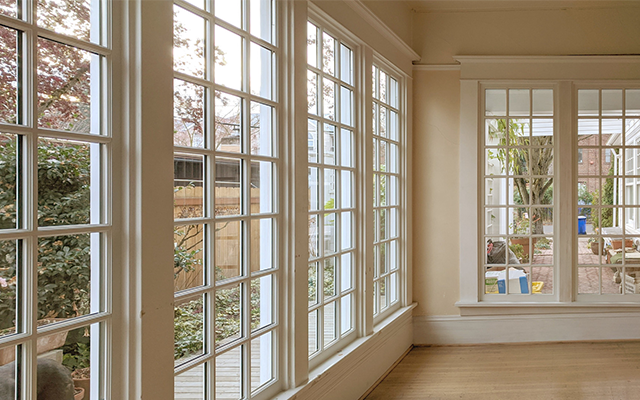
The aluminum frame of these windows further enhances their suitability for small spaces. Aluminum is a lightweight yet incredibly strong material, meaning the frames can be slim and sleek without compromising structural integrity. Unlike wood frames, which are thicker and heavier, or vinyl frames that can be bulky, aluminum frames have a minimal profile that maximizes the glass area. This increased glass area allows more natural light to flood into the space, making small rooms feel brighter, airier, and more spacious. Natural light is a crucial element in small spaces, as it can visually expand the area and create a more open, inviting atmosphere. Aluminum awning windows, with their slim frames and large glass panes, are designed to capitalize on this, turning dark, cramped corners into well-lit, comfortable spaces.
Another key advantage of aluminum awning windows for small spaces is their superior ventilation control. Small spaces often suffer from poor air circulation, which can lead to stuffiness, mold growth, and a lack of freshness. Awning windows address this by allowing controlled ventilation—they can be opened slightly to let in a gentle breeze or fully opened to maximize airflow, all while keeping rain and debris out. The top-hinged design means that even when open, the sash acts as a shield, preventing rain from entering the room, which is particularly useful for small spaces where water damage can be costly and difficult to repair. This feature is especially beneficial for small bathrooms, kitchens, or laundry rooms, where moisture buildup is a common issue. By allowing consistent, controlled ventilation, aluminum awning windows help maintain a healthy, comfortable environment in these compact areas.
Durability and low maintenance are additional factors that make aluminum awning windows a practical choice for small spaces. Aluminum is naturally resistant to rust, corrosion, rot, and pest infestations, making it ideal for both interior and exterior use. Unlike wood windows, which require regular painting, staining, or sealing to maintain their appearance and structural integrity, aluminum awning windows only need occasional cleaning with soap and water to keep them looking like new. This low-maintenance nature is particularly valuable for small space dwellers, who often have limited time or resources for home upkeep. Additionally, aluminum frames are highly durable and can withstand extreme weather conditions, ensuring that the windows will last for decades without needing replacement—an important investment for any home, but especially for small spaces where window replacement can be disruptive and costly.
Design versatility is another strength of aluminum awning windows, allowing them to complement any style of small space. Aluminum frames can be powder-coated in a wide range of colors, from neutral tones like white, black, and gray to bold, vibrant hues, making it easy to match the window to the existing decor of the space. Whether the small space has a modern, minimalist design, a cozy, traditional feel, or an industrial aesthetic, aluminum awning windows can be customized to fit seamlessly. They can also be installed in various configurations—single units, double units, or even stacked vertically—to suit the specific dimensions and layout of the space. For example, a narrow hallway might benefit from a single, tall awning window to let in light without taking up too much wall space, while a small kitchen could use a pair of awning windows above the sink to provide ventilation and natural light.
In terms of energy efficiency, aluminum awning windows are also a strong choice for small spaces. While aluminum is a conductive material, modern aluminum windows are equipped with thermal breaks—insulated strips placed between the interior and exterior frames—that prevent heat transfer. This thermal break technology helps keep the interior of the space warm in the winter and cool in the summer, reducing energy costs and improving comfort. For small spaces, which can be more prone to temperature fluctuations, this energy efficiency is particularly important. Additionally, the tight seal of awning windows, when closed, prevents drafts and air leakage, further enhancing their energy-saving capabilities. This not only reduces utility bills but also creates a more consistent, comfortable environment in the small space.
Practical considerations for small spaces, such as safety and ease of operation, are also addressed by aluminum awning windows. Most awning windows are operated with a crank handle, which is easy to use and requires minimal effort. This is especially useful for small spaces where windows may be installed in hard-to-reach areas, such as above countertops or in high corners. The crank mechanism allows for precise control over the opening size, so users can adjust the ventilation to their liking. Additionally, aluminum awning windows are equipped with secure locking systems, ensuring that the space is safe and secure. The outward-opening design also makes it difficult for intruders to access the window from the outside, adding an extra layer of security to the small space.
Real-world applications of aluminum awning windows in small spaces are abundant. For example, a compact studio apartment might use awning windows above the bed to provide natural light and ventilation without taking up space that could be used for furniture. A small home office, tucked into a corner of a larger room, could benefit from an awning window that lets in light while maintaining privacy. A tiny bathroom, where space is at a premium, could use an awning window to vent moisture and provide natural light without sacrificing wall space for a larger window. In each of these cases, aluminum awning windows offer a practical, space-saving solution that enhances the functionality and aesthetic of the small space.
When selecting aluminum awning windows for small spaces, there are a few key factors to consider. First, the size of the window should be proportional to the space—too large, and it may overwhelm the room; too small, and it may not provide enough light or ventilation. It is also important to choose the right glass type, such as low-E glass, which reduces glare and UV radiation while improving energy efficiency. Additionally, the color and finish of the aluminum frame should complement the existing decor, and the crank mechanism should be smooth and easy to operate. Working with a professional window installer can help ensure that the windows are properly sized and installed, maximizing their benefits for the small space.
In conclusion, aluminum awning windows are an ideal choice for small spaces, offering a unique combination of space-saving design, functionality, durability, and aesthetic versatility. Their top-hinged, outward-opening mechanism eliminates the need for interior or exterior clearance, making them perfect for tight quarters. The slim aluminum frames maximize glass area, allowing more natural light to flood the space and create a more open, inviting atmosphere. Superior ventilation control, low maintenance, energy efficiency, and safety features further enhance their appeal, making them a practical and long-lasting investment for any small space. Whether used in a compact apartment, tiny home office, or cozy corner nook, aluminum awning windows have the ability to transform small spaces into bright, comfortable, and functional areas that meet the needs of modern living.







 CN
CN