



Time:2026-05-27 Views:0
The kitchen is often referred to as the heart of the home, a space where families gather to cook, eat, and connect. As such, the windows in the kitchen play a crucial role in creating a comfortable, functional, and inviting environment. Aluminum casement windows have emerged as a popular choice for kitchens, offering a unique combination of functionality, energy efficiency, durability, and aesthetics that perfectly align with the needs of this busy space. Unlike sliding or double-hung windows, casement windows swing outward on hinges, providing unobstructed ventilation, maximum natural light, and easy access to fresh air—all essential features for a kitchen.
One of the primary reasons aluminum casement windows are ideal for kitchens is their superior ventilation. Kitchens are prone to heat, steam, and odors from cooking, so proper ventilation is essential to keep the space fresh and comfortable. Casement windows open fully outward, allowing for maximum airflow and cross-ventilation, which helps to remove heat, steam, and cooking odors quickly and efficiently. Unlike sliding windows, which only open halfway, or double-hung windows, which have limited airflow, casement windows can be opened wide to let in a steady stream of fresh air, making the kitchen a more pleasant place to cook and spend time. Additionally, the outward-swinging design allows the breeze to flow directly into the kitchen, rather than being blocked by the window frame, further enhancing ventilation.
Energy efficiency is another key benefit of aluminum casement windows for kitchens. Kitchens often have multiple windows, and they are frequently used for extended periods, so energy efficiency can significantly impact utility bills. Modern aluminum casement windows feature thermal breaks, which are insulating strips placed between the interior and exterior aluminum frames to reduce heat transfer. This eliminates the historical issue of aluminum’s high thermal conductivity, making casement windows energy efficient and helping to keep the kitchen warm in winter and cool in summer. Additionally, aluminum casement windows can be equipped with double or triple glazing, low-e glass coatings, and inert gas fills, which further enhance their energy efficiency by reducing heat loss and blocking harmful UV rays. This not only lowers energy bills but also helps to protect kitchen cabinets, countertops, and flooring from fading due to UV exposure.
Durability is essential in a kitchen, where windows are exposed to heat, steam, and moisture on a regular basis. Aluminum is a strong, durable material that is resistant to corrosion, rot, warping, and insect damage, making it ideal for the harsh environment of a kitchen. Unlike wood windows, which can absorb moisture and warp over time, or vinyl windows, which can become brittle and fade in direct sunlight, aluminum casement windows maintain their structural integrity and appearance for decades with minimal maintenance. The aluminum frames are also easy to clean—just a quick wipe with soap and water is all that is needed to remove grease, dirt, and grime, making them perfect for the busy kitchen environment.
Ease of operation is another advantage of aluminum casement windows for kitchens. Most casement windows are operated with a crank handle, which is easy to turn and requires minimal effort. This makes them ideal for hard-to-reach areas, such as above the sink or stove, where other window types (like double-hung windows) would be difficult to open and close. The crank handle can be mounted on either side of the window, allowing for customization based on the kitchen layout and the homeowner’s preferences. Additionally, modern aluminum casement windows feature smooth, quiet hinges that ensure the window opens and closes easily, even after years of use.
Aesthetics are an important consideration in the kitchen, and aluminum casement windows offer a sleek, modern design that complements a wide range of kitchen styles—from contemporary to traditional. They have slim frames that maximize glass area, providing unobstructed views of the outdoors and letting in more natural light, which can make the kitchen feel larger and more open. Aluminum casement windows are available in a variety of colors and finishes, including powder-coated, anodized, and woodgrain finishes, allowing homeowners to match the windows to their kitchen cabinets, countertops, and overall design scheme. Additionally, the clean, uncluttered look of casement windows enhances the kitchen’s aesthetic appeal, creating a cohesive and inviting space.
Security is another key feature of aluminum casement windows for kitchens. Kitchen windows are often located at ground level or near entry points, making them a potential target for intruders. Aluminum casement windows come equipped with multi-point locking systems, which secure the window at multiple points along the frame, making it more difficult for intruders to break in. Additionally, the aluminum frames are strong and rigid, providing a solid barrier against forced entry. Some casement windows also feature tempered or laminated safety glass, which is more resistant to breakage than standard glass. If the glass does break, it shatters into small, rounded pieces, reducing the risk of injury—an important safety feature in a kitchen where children and pets may be present.
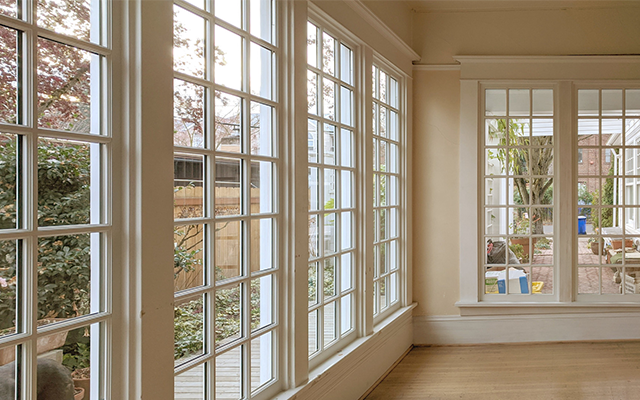
Customization options are another advantage of aluminum casement windows for kitchens. They are available in a wide range of sizes and configurations, including single casement, double casement (two windows side by side), and casement windows paired with fixed picture windows. This allows homeowners to choose the configuration that best fits their kitchen’s window openings and design needs. Additionally, aluminum casement windows can be customized with different glass options, including clear, frosted, tinted, or low-e glass. For example, frosted glass can provide privacy for kitchen windows that face neighbors, while tinted glass can reduce glare and heat gain. Homeowners can also choose between different hinge positions (left, right, or top-hinged) to further customize the window’s functionality.
When choosing aluminum casement windows for the kitchen, there are several factors to consider. First, prioritize windows with high-quality thermal breaks and energy-efficient glass options to reduce energy costs and improve comfort. Second, select windows with a crank handle that is easy to reach and operate, especially if the window is located above the sink or stove. Third, choose a color and finish that complements the kitchen’s design scheme. Fourth, consider the size and configuration of the window to ensure it provides adequate ventilation and natural light. Finally, work with a reputable manufacturer and installer to ensure that the windows are properly installed and meet local building codes.
In conclusion, aluminum casement windows are the perfect choice for kitchens, offering superior ventilation, energy efficiency, durability, ease of operation, and aesthetics. They are designed to withstand the harsh environment of a kitchen, provide maximum comfort and functionality, and enhance the overall look and value of the space. Whether you are building a new kitchen or renovating an existing one, aluminum casement windows are a smart investment that will provide years of comfort, convenience, and style.







 CN
CN