



Time:2026-06-08 Views:0
Aluminum casement windows with ventilation are a versatile and practical choice for both residential and commercial buildings, combining the durability of aluminum with the superior airflow capabilities that modern spaces demand. Unlike traditional window styles that limit air circulation, casement windows are designed to swing outward (or occasionally inward) on side hinges, creating an unobstructed opening that maximizes natural ventilation while maintaining structural integrity and aesthetic appeal. In this detailed guide, we will explore the design, benefits, ventilation mechanisms, installation considerations, maintenance requirements, and practical applications of aluminum casement windows with ventilation, providing a comprehensive overview for homeowners, contractors, and architects alike.
First, it is essential to understand the core design of aluminum casement windows and how it contributes to their ventilation performance. Casement windows feature a single sash (the movable part of the window) that is hinged on one side—typically the left or right edge—and operated by a crank handle or lever. This design allows the sash to open fully, up to 90 degrees, which is a key advantage over sliding windows or double-hung windows that only open partially. When fully open, the entire width of the window becomes an opening, allowing fresh air to flow freely into the space without being restricted by a central rail or overlapping sashes. This full opening capability is particularly beneficial in areas where cross-ventilation is desired, such as kitchens, bathrooms, living rooms, and offices, where adequate airflow is critical for indoor air quality and comfort.
Aluminum, as the frame material, enhances the ventilation benefits of casement windows in several ways. Aluminum is lightweight yet incredibly strong, which means the sash can be larger without compromising structural stability. This allows for larger window openings, which in turn increases the volume of air that can enter the space. Additionally, aluminum frames are slim and sleek, with minimal profile width, which means more glass area and less obstruction to airflow. Unlike wood frames that can warp or swell over time, aluminum frames maintain their shape and functionality, ensuring that the window opens and closes smoothly for years, preserving its ventilation efficiency. Aluminum is also resistant to corrosion, moisture, and UV damage, making it suitable for all climates—from humid coastal regions to dry inland areas—without deteriorating or losing its performance capabilities.
The ventilation performance of aluminum casement windows can be further optimized through thoughtful design features. One such feature is the inclusion of adjustable hinges, which allow the user to control the angle of the sash opening. This means you can adjust the window to allow a small gap for gentle airflow or fully open it for maximum ventilation, depending on the weather conditions and your comfort needs. Some models also come with a friction stay hinge, which holds the sash in place at any angle, preventing it from slamming shut in windy conditions while maintaining the desired level of ventilation. Another design feature that enhances ventilation is the inclusion of a mesh screen, which can be installed on the interior or exterior of the window. The screen allows fresh air to flow in while keeping out insects, dust, and debris, making the window suitable for use during warm weather without compromising comfort or cleanliness.
In addition to superior ventilation, aluminum casement windows offer a range of other benefits that make them a popular choice for both residential and commercial applications. Energy efficiency is a key advantage, especially with modern aluminum frames that incorporate thermal breaks. A thermal break is a barrier made of a non-conductive material (such as polyamide) that is inserted between the interior and exterior aluminum profiles, reducing heat transfer between the inside and outside of the building. This helps to keep the interior cool in summer and warm in winter, reducing energy costs associated with heating and cooling. When paired with high-performance glazing, such as low-emissivity (low-E) glass or double-glazed units, aluminum casement windows can achieve excellent energy efficiency ratings, making them an eco-friendly choice.
Security is another important benefit of aluminum casement windows. The crank handle mechanism allows for multi-point locking systems, which secure the sash at multiple points along the frame, making it more difficult for intruders to force the window open. Aluminum frames are also inherently strong, and when combined with tempered or laminated glass, they provide an additional layer of security. This makes aluminum casement windows an ideal choice for ground-floor windows or windows in areas with high security concerns.
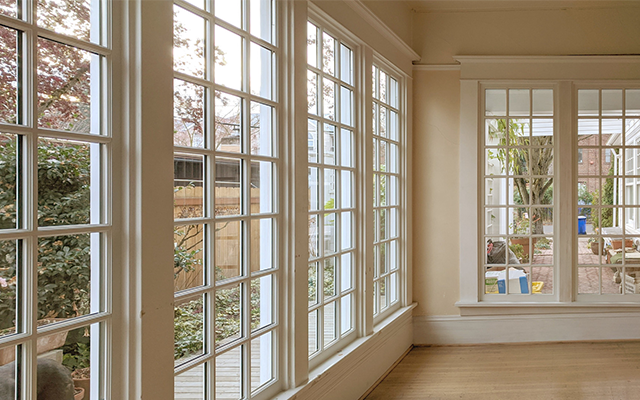
Aesthetic appeal is also a significant factor in the popularity of aluminum casement windows. Aluminum frames can be powder-coated in a wide range of colors, including neutral tones like white, black, and gray, as well as bold colors like red, blue, and green, allowing them to complement any architectural style. The slim profile of aluminum frames also creates a modern, sleek look that enhances the visual appeal of the building, both from the interior and exterior. Casement windows can be customized to fit any size or shape, making them suitable for unique architectural designs, such as bay windows, corner windows, or large picture windows with casement sashes on either side.
When it comes to installation, aluminum casement windows with ventilation require professional installation to ensure optimal performance. The installation process involves measuring the window opening accurately, preparing the opening (including sealing any gaps or cracks), and securing the frame in place. The hinges and crank mechanism must be installed correctly to ensure smooth operation, and the window must be properly sealed to prevent air and water leaks. It is also important to ensure that the window is level and plumb, as any misalignment can affect the window’s ability to open and close properly, as well as its ventilation performance. Professional installers will also ensure that the mesh screen (if included) is installed correctly, ensuring that it fits tightly and does not obstruct airflow.
Maintenance requirements for aluminum casement windows with ventilation are minimal, thanks to the durability of aluminum. Regular cleaning is the primary maintenance task—simply wiping the frame and glass with a mild detergent and water will keep the window looking new and functioning properly. The crank mechanism and hinges should be lubricated annually with a silicone-based lubricant to ensure smooth operation. It is also important to inspect the weatherstripping regularly, as worn or damaged weatherstripping can reduce the window’s energy efficiency and allow air and water leaks. If the weatherstripping is damaged, it should be replaced promptly to maintain the window’s performance.
Practical applications of aluminum casement windows with ventilation are wide-ranging. In residential settings, they are ideal for kitchens, where good ventilation is essential to remove cooking odors and moisture; bathrooms, where airflow helps prevent mold and mildew growth; and living rooms, where natural ventilation enhances comfort and indoor air quality. In commercial settings, such as offices, retail stores, and restaurants, aluminum casement windows provide excellent ventilation to keep employees and customers comfortable, while also enhancing the aesthetic appeal of the space. They are also suitable for schools, hospitals, and other public buildings, where indoor air quality is a priority.
When choosing aluminum casement windows with ventilation, there are several factors to consider. The size of the window opening will determine the size of the sash, and it is important to choose a window that is proportionate to the space. The type of glazing is also important—double-glazed or triple-glazed units offer better insulation and energy efficiency, while low-E glass reduces glare and UV radiation. The color of the frame should complement the building’s exterior and interior design, and the type of hinge and crank mechanism should be chosen based on the window’s size and intended use. It is also important to choose a reputable manufacturer and installer to ensure that the window is of high quality and installed correctly.
In conclusion, aluminum casement windows with ventilation are a practical, durable, and aesthetically pleasing choice for any building. Their unique design allows for maximum airflow, while the aluminum frame provides strength, durability, and energy efficiency. With minimal maintenance requirements and a wide range of customization options, they are suitable for both residential and commercial applications. Whether you are building a new home, renovating an existing space, or designing a commercial building, aluminum casement windows with ventilation offer a superior solution for natural ventilation and comfort.







 CN
CN