



Time:2026-04-16 Views:0
Aluminum fixed windows are a fundamental and widely used type of aluminum glass window, distinguished by their non-movable design—meaning the glass panel is permanently secured within the aluminum frame, with no sash or operable components. This simplicity in design belies their versatility and functionality, making them a popular choice in both residential and commercial architecture. Fixed windows are valued for their ability to maximize natural light, provide unobstructed views, enhance energy efficiency, and offer a clean, sleek aesthetic that complements any architectural style. Unlike operable windows (such as casement or hung windows), fixed windows do not open or close, which makes them ideal for areas where ventilation is not a primary concern but natural light and visual appeal are paramount. In this detailed guide, we will explore the design, construction, materials, advantages, applications, installation considerations, maintenance, and design variations of aluminum fixed windows, providing a comprehensive understanding of their role in modern construction.
The design of aluminum fixed windows is centered around simplicity and functionality. At its core, a fixed window consists of an aluminum frame that surrounds a single or multiple glass panels, which are permanently sealed in place. The absence of operable components (such as hinges, locks, or sashes) gives fixed windows a streamlined appearance, with minimal visual obstruction, allowing for maximum light penetration and unobstructed views of the outdoors. The aluminum frame is typically extruded into precise profiles, which can be customized in terms of width, depth, and shape to fit the specific dimensions and design requirements of the building. The frame profiles are designed to provide structural support for the glass panel, while also ensuring a tight seal to prevent air and water infiltration. The glass panel is secured within the frame using high-quality sealants and glazing beads, which hold the glass in place and enhance the window’s airtightness and watertightness.
The construction of aluminum fixed windows involves several key steps, starting with the design and fabrication of the aluminum frame. The aluminum alloy used for the frame is typically 6063 or 6061, which are known for their excellent strength, corrosion resistance, and extrudability. These alloys are heat-treatable, allowing for further strengthening if needed, and can be easily formed into complex profiles. The extrusion process involves forcing the aluminum alloy through a die to create the desired frame profile, which is then cut to the exact length using precision cutting tools. The frame components (top rail, bottom rail, and side jambs) are then mitred at the corners and joined together using high-strength fasteners, such as screws or rivets, to form a rigid frame structure. In some cases, corner brackets or reinforcement bars may be added to enhance the frame’s stability, especially for larger fixed windows.
The glass panel is a critical component of aluminum fixed windows, as it directly impacts the window’s performance, aesthetics, and functionality. There are several types of glass commonly used in fixed windows, each with its own unique properties and benefits. Float glass is the most basic option, offering clarity and transparency, but it is relatively fragile and has limited energy efficiency. Tempered glass is a popular choice for fixed windows due to its enhanced safety—when broken, it shatters into small, rounded pieces that are less likely to cause injury. Tempered glass is also more resistant to thermal stress, making it suitable for large windows or windows exposed to direct sunlight. Laminated glass is another safe option, consisting of two or more glass layers bonded together with a PVB interlayer. This interlayer holds the glass together when broken, preventing shards from falling and providing additional security against break-ins. Laminated glass also offers improved sound insulation, making it ideal for areas with high noise levels, such as near busy roads or airports.
Insulated glass units (IGUs) are widely used in aluminum fixed windows to improve energy efficiency. An IGU consists of two or more glass panes separated by a spacer filled with dry air or inert gas (such as argon or krypton). The spacer is typically made of aluminum or stainless steel, and is designed to maintain a uniform distance between the glass panes, creating a thermal barrier that reduces heat transfer. This thermal barrier helps to keep the interior of the building cool in the summer and warm in the winter, reducing heating and cooling costs and creating a more comfortable indoor environment. Low-E (low-emissivity) glass is often used in IGUs to further enhance energy efficiency. Low-E glass has a thin, transparent coating that reflects infrared radiation, minimizing heat gain in the summer and heat loss in the winter, while still allowing visible light to pass through. This makes Low-E insulated glass an ideal choice for energy-efficient buildings, as it helps to reduce energy consumption and lower utility bills.
The glazing process is a crucial step in the construction of aluminum fixed windows, as it ensures that the glass is securely attached to the frame and that the window is airtight and watertight. Glazing beads (also known as glazing stops) are used to hold the glass in place within the frame. These beads are typically made of aluminum, vinyl, or plastic, and are attached to the frame using screws or adhesive. The gap between the glass and the frame is filled with a high-quality sealant, such as silicone or polyurethane sealant, which creates a tight bond and prevents air and water from entering the building. The sealant also helps to absorb thermal expansion and contraction, reducing stress on the glass and frame and preventing damage over time. Proper glazing is essential for the long-term performance of fixed windows, as any gaps or leaks can lead to energy loss, water damage, and reduced durability.
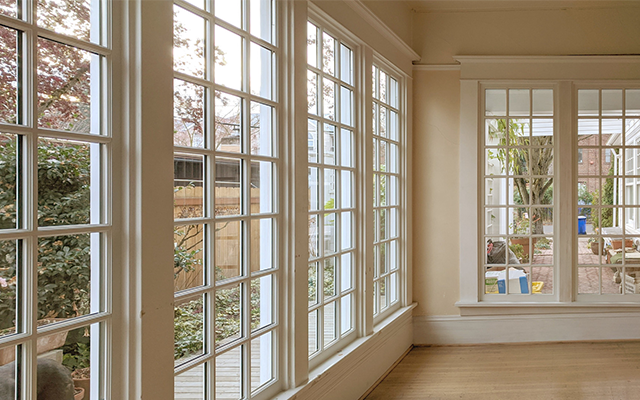
Aluminum fixed windows offer numerous advantages that make them a popular choice in modern construction. One of the key advantages is their ability to maximize natural light. Since fixed windows do not have operable components, they can be designed in larger sizes than operable windows, allowing more light to enter the building. This not only enhances the aesthetic appeal of the space but also improves indoor air quality and reduces the need for artificial lighting, leading to energy savings. Another major advantage is their unobstructed views. The absence of sashes, hinges, and handles means that the glass panel is the focal point, providing clear, unimpeded views of the outdoors. This is particularly beneficial for buildings with scenic views, such as homes overlooking a lake or mountain, or commercial buildings with city skyline views.
Energy efficiency is another significant benefit of aluminum fixed windows. Without operable components, there are fewer gaps and seams where air can leak, making fixed windows more airtight than operable windows. When combined with insulated glass and Low-E coatings, fixed windows can significantly reduce heat transfer, improving the building’s energy efficiency and reducing heating and cooling costs. Fixed windows also require less maintenance than operable windows, as they have no moving parts that can wear out or break. There are no hinges to lubricate, no locks to maintain, and no sashes to adjust—just occasional cleaning to keep the glass and frame looking new.
Durability and longevity are also key advantages of aluminum fixed windows. The aluminum frame is highly resistant to corrosion, especially when treated with anodizing, powder coating, or PVDF coating. These treatments create a protective layer that prevents rust, fading, and degradation caused by exposure to harsh weather conditions. The glass panel, especially if it is tempered or laminated, is also durable and resistant to breakage. With proper installation and maintenance, aluminum fixed windows can last for 20 to 30 years or more, providing long-term value and performance.
The applications of aluminum fixed windows are diverse, covering residential, commercial, and industrial sectors. In residential buildings, fixed windows are commonly used in areas where ventilation is not needed, such as above doors, in hallways, or in rooms with other operable windows for ventilation. They are also used as picture windows, which are large, fixed windows designed to frame a scenic view. Picture windows are often the centerpiece of a room, adding visual interest and bringing in ample natural light. In bedrooms, living rooms, and dining rooms, fixed windows can be combined with operable windows (such as casement or hung windows) to provide both natural light and ventilation.
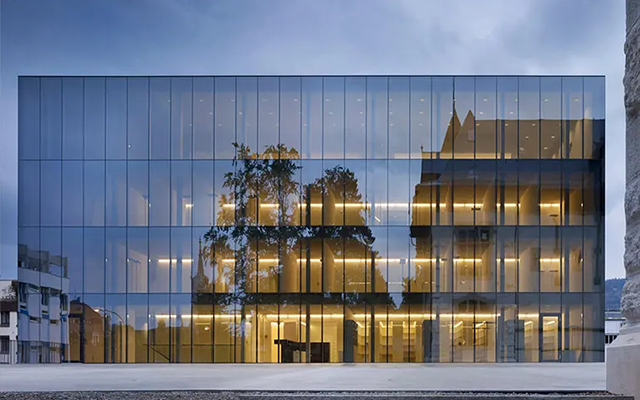
In commercial buildings, aluminum fixed windows are widely used in office towers, shopping malls, hotels, and hospitals. They are often part of large glass facades, which create a modern, sleek appearance and provide ample natural light for occupants. Fixed windows are also used in lobbies, atriums, and conference rooms, where unobstructed views and natural light are important. In industrial settings, fixed windows are used in factories, warehouses, and manufacturing facilities, where they need to be durable, easy to maintain, and resistant to harsh industrial environments. They are often installed in areas where ventilation is provided by other means, such as exhaust fans or HVAC systems.
Installation of aluminum fixed windows requires careful planning and precision to ensure optimal performance. The first step is to measure the opening accurately to ensure that the window frame fits perfectly. The opening should be clean, level, and square, with no debris or obstructions. The frame is then placed in the opening and secured to the building structure using screws or anchors. It is important to ensure that the frame is level and plumb, as any misalignment can lead to gaps, leaks, or structural issues. Once the frame is secured, the glass panel is installed, and the glazing beads and sealant are applied to create a tight seal. The installation process should be carried out by trained professionals to ensure that the window is installed correctly and meets all performance standards.
Maintenance of aluminum fixed windows is simple and straightforward. Regular cleaning of the glass and frame is essential to remove dirt, dust, and debris. The glass can be cleaned with a mild detergent and water, using a soft cloth or sponge to avoid scratching the surface. For stubborn stains, a glass cleaner can be used, but abrasive cleaners should be avoided as they can damage the glass or the frame’s coating. The frame should be cleaned with a soft cloth and mild detergent, and any dirt or debris in the glazing beads or sealant should be removed. The sealant should be inspected regularly for signs of wear or damage, such as cracking or peeling, and replaced if necessary to maintain the window’s airtightness and watertightness. By following these simple maintenance steps, aluminum fixed windows can maintain their appearance and performance for decades.
Aluminum fixed windows are available in a wide range of design variations to suit different architectural styles and design preferences. The frame can be customized in terms of width, depth, and color, with a variety of surface finishes available, including anodizing (which creates a natural aluminum finish or colored finish), powder coating (which offers a wide range of solid colors), and PVDF coating (which provides a durable, weather-resistant finish with a matte or gloss appearance). The glass panel can also be customized, with options such as tinted glass (which reduces glare and heat gain), frosted glass (which provides privacy), or decorative glass (which adds visual interest). Fixed windows can be designed in various shapes, including rectangular, square, circular, oval, or custom shapes, allowing for greater design flexibility.
In recent years, there has been a growing trend towards larger fixed windows and glass walls, which create a seamless connection between the interior and exterior of the building. These large windows not only maximize natural light but also enhance the sense of space, making rooms feel larger and more open. With advances in glass technology, larger fixed windows are now more feasible, as tempered and laminated glass can support greater weights without compromising safety. Additionally, the use of insulated glass and Low-E coatings has made these large windows more energy-efficient, reducing the impact on heating and cooling costs.
In conclusion, aluminum fixed windows are a simple yet versatile building product that offers numerous benefits for residential, commercial, and industrial applications. Their non-movable design maximizes natural light, provides unobstructed views, and enhances energy efficiency, while their durable aluminum frame and high-performance glass ensure long-term reliability. With a wide range of design variations and customization options, aluminum fixed windows can complement any architectural style, making them a popular choice for modern construction. Whether used as a standalone window or as part of a larger glass facade, aluminum fixed windows are a practical and stylish solution for any building project.







 CN
CN