




Time:2026-06-09 Views:0
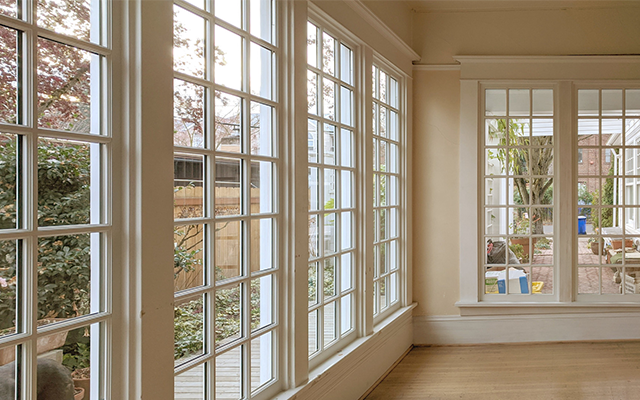
Aluminum fixed windows are a popular choice for both residential and commercial buildings, valued for their sleek design, durability, and ability to maximize natural light. Unlike operable windows (such as casement or sliding windows), fixed windows do not open or close, making them ideal for areas where ventilation is not a priority but natural light is desired—such as picture windows, accent windows, or windows in high or hard-to-reach areas. However, over time, the glass in aluminum fixed windows may become damaged, cracked, or fogged, requiring replacement. In this comprehensive guide, we will explore everything you need to know about aluminum fixed window replacement glass, including when to replace the glass, the types of glass available, the replacement process, cost factors, and maintenance tips to extend the life of your new glass.
First, it is important to recognize when it is time to replace the glass in your aluminum fixed windows. There are several common signs that indicate the need for replacement. The most obvious sign is a cracked or broken glass pane. Even small cracks can compromise the structural integrity of the window, allowing air and water to leak into the building and increasing the risk of further damage. Cracks can be caused by impact (such as a flying object), thermal stress (due to extreme temperature changes), or age. Another sign is fogging or condensation between the glass panes, which typically indicates a failed seal in double-glazed or triple-glazed units. This fogging not only reduces visibility but also decreases the window’s energy efficiency, as the seal is no longer effective at preventing heat transfer. Additionally, if the glass is scratched or stained beyond repair, or if it is outdated (such as single-glazed glass that is not energy efficient), replacement may be necessary to improve the window’s performance and appearance.
When replacing the glass in aluminum fixed windows, it is important to choose the right type of glass for your needs. There are several types of glass available, each with its own benefits and applications. Single-glazed glass is the most basic type, consisting of a single pane of glass. It is affordable but offers minimal insulation and energy efficiency, making it suitable for areas where energy costs are not a major concern or where the window is not exposed to extreme weather. Double-glazed glass consists of two panes of glass with a gap between them, which is often filled with air or an inert gas (such as argon or krypton). This gap provides insulation, reducing heat transfer and improving energy efficiency. Double-glazed glass is a popular choice for most residential and commercial applications, as it balances affordability and performance. Triple-glazed glass consists of three panes of glass with two gaps, offering even better insulation and energy efficiency. It is ideal for areas with extreme weather conditions (such as very cold or very hot climates) but is more expensive than double-glazed glass.
Low-emissivity (low-E) glass is another popular option for aluminum fixed window replacement. Low-E glass has a thin, invisible coating that reflects UV radiation and infrared heat, while allowing visible light to pass through. This helps to keep the interior cool in summer (by reflecting heat from the sun) and warm in winter (by reflecting heat back into the interior), reducing energy costs. Low-E glass can be applied to single-glazed, double-glazed, or triple-glazed units, enhancing their energy efficiency. Tempered glass is another important option, especially for windows in high-traffic areas or areas where safety is a concern. Tempered glass is heat-treated to be stronger than standard glass, and if it breaks, it shatters into small, rounded pieces instead of sharp shards, reducing the risk of injury. Laminated glass is also a safe option, consisting of two or more panes of glass bonded together with a plastic interlayer. If the glass breaks, the interlayer holds the pieces together, preventing them from falling out and reducing the risk of injury. Laminated glass also offers sound insulation and UV protection.
The replacement process for aluminum fixed window glass is complex and requires professional expertise to ensure optimal results. The process typically involves several key steps: removing the damaged glass, preparing the aluminum frame, measuring for the new glass, ordering the new glass, installing the new glass, and sealing the window to prevent air and water leaks. Let’s break down each step in detail.
First, the damaged glass must be removed carefully. This involves removing any trim or molding around the window (if present), then carefully removing the broken glass pane from the aluminum frame. It is important to wear protective gear (such as gloves and safety glasses) during this step to avoid injury from sharp glass shards. The frame must then be cleaned thoroughly to remove any debris, old sealant, or adhesive. Any damage to the frame (such as dents, corrosion, or warping) should be repaired at this stage to ensure that the new glass fits properly and the window is structurally sound.
Next, the frame must be measured accurately to ensure that the new glass fits perfectly. Measurements should be taken at multiple points (width and height) to account for any slight variations in the frame. It is important to measure the opening carefully, as even a small mistake can result in a glass pane that is too small or too large, leading to air and water leaks or difficulty installing the glass. Once the measurements are taken, the new glass can be ordered from a glass manufacturer or supplier. The lead time for the new glass will vary depending on the type of glass (standard vs. custom) and the supplier, but it typically ranges from 3 to 10 days.
Once the new glass is delivered, it can be installed. The installation process involves placing the new glass pane into the aluminum frame, ensuring that it is level and centered. A sealant (such as silicone or butyl tape) is then applied around the edges of the glass to create an airtight and watertight seal. The trim or molding is then reinstalled to cover the sealant and provide a finished look. It is important to use the correct type of sealant for aluminum frames, as some sealants may react with the aluminum and cause damage. A professional installer will know which sealant is best for your specific window.
The cost of aluminum fixed window replacement glass varies based on several factors, including the size of the window, the type of glass, the complexity of the installation, and the location. The average cost of replacing the glass in a single aluminum fixed window ranges from $300 to $880, with a national average of $375. However, this is just a general range, and the actual cost can be higher or lower depending on the factors mentioned above. Let’s break down the cost factors in detail.
The size of the window is one of the primary factors that influence cost. Larger windows require more glass, which increases the material cost. For example, a small fixed window (24x36 inches) may cost between $150 and $300 to replace the glass, while a large picture window (60x84 inches) may cost between $500 and $1,200 or more. The type of glass is another key factor—single-glazed glass is the most affordable, while double-glazed, triple-glazed, low-E, tempered, or laminated glass are more expensive. For example, replacing a single-glazed pane may cost $100 to $200, while replacing a double-glazed low-E pane may cost $300 to $600.
The complexity of the installation also affects cost. If the window is in a hard-to-reach area (such as a high-rise building or a second-story window), additional equipment (such as scaffolding or a lift) may be needed, increasing labor costs. If the aluminum frame is damaged and requires repairs, this will also add to the cost. Labor costs typically range from $100 to $300 per window, depending on the complexity of the installation and the contractor’s experience.
Location is another factor that influences cost. The cost of materials and labor can vary by region, with higher costs in areas with a higher cost of living. Additionally, if you live in a remote area, you may incur additional costs for delivery of the new glass and travel fees for the installer.
There are several ways to reduce the cost of aluminum fixed window replacement glass. One way is to choose a standard type of glass (such as single-glazed or basic double-glazed) if energy efficiency is not a top priority. Another way is to get multiple quotes from different glass suppliers and installers to compare prices. It is also important to choose a reputable installer with experience in aluminum window glass replacement, as improper installation can lead to costly repairs in the future. Additionally, if you have multiple windows that need glass replacement, you may be able to get a discount by having them replaced at the same time.
Proper maintenance is essential to extend the life of your new aluminum fixed window glass. Regular cleaning is important—wipe the glass with a mild detergent and water to remove dirt, dust, and debris. Avoid using harsh chemicals or abrasive cleaners, as these can scratch the glass or damage the low-E coating. Inspect the sealant around the glass periodically for signs of wear or damage, and replace it if necessary to prevent air and water leaks. If you notice any cracks or chips in the glass, address them promptly to prevent further damage. Additionally, avoid placing heavy objects near the window or hitting the glass, as this can cause damage.
In conclusion, aluminum fixed window replacement glass is a necessary maintenance task for any building with aluminum fixed windows. By recognizing when to replace the glass, choosing the right type of glass, hiring a professional installer, and maintaining the new glass properly, you can ensure that your windows remain functional, energy efficient, and aesthetically pleasing for years to come. While the cost of replacement can vary, investing in high-quality glass and professional installation will pay off in the long run by reducing energy costs and avoiding costly repairs.







 CN
CN