





Time:2026-04-20 Views:0
Aluminum glass doors are a cornerstone of modern architecture, combining the strength and durability of aluminum with the transparency and light-transmitting properties of glass to create doors that are both functional and aesthetically pleasing. These doors have become a popular choice for residential, commercial, and institutional buildings, thanks to their versatility, energy efficiency, and low maintenance requirements. Unlike traditional solid doors, aluminum glass doors allow natural light to flow freely into a space, creating a bright, open, and inviting atmosphere. They also offer a sleek, contemporary look that complements a wide range of design styles, from modern and minimalist to industrial and traditional. In this detailed guide, we will explore the construction, features, benefits, applications, installation, and maintenance of aluminum glass doors, providing a comprehensive overview of why they are a preferred choice for architects, designers, and homeowners alike.
The construction of an aluminum glass door is a perfect blend of form and function, with two main components: the aluminum frame and the glass panel. The aluminum frame is the backbone of the door, providing structural support and stability. It is typically made from high-grade aluminum alloy, which is chosen for its exceptional strength-to-weight ratio, corrosion resistance, and durability. Aluminum is lightweight, making it easy to handle and install, yet strong enough to withstand daily use and harsh environmental conditions. Unlike wood, which can warp, rot, or insect-damaged, aluminum is impervious to these issues, making it ideal for both interior and exterior use. The aluminum frame is often treated with a powder-coating finish, which not only enhances its visual appeal but also provides a protective layer against scratches, UV rays, and weathering. Powder-coating is available in a wide variety of colors, including neutral tones (such as white, black, and gray) and bold hues (such as red, blue, and green), allowing homeowners and designers to match the door to their existing decor or architectural style. Some manufacturers also offer anodized finishes, which provide a more natural, metallic look and are highly resistant to fading and wear.
The glass panel is the other critical component of an aluminum glass door, responsible for transmitting light and providing visibility. The type of glass used in aluminum glass doors varies depending on the application and desired functionality. Clear glass is the most common choice, as it allows maximum light transmission and provides an unobstructed view. However, there are many other glass options available to suit different needs: frosted glass, which offers privacy while still allowing light to pass through; tinted glass, which reduces glare and blocks UV rays, helping to keep the interior cool; tempered glass, which is heat-treated to be stronger than regular glass and breaks into small, harmless pieces if shattered, making it a safer option for high-traffic areas or exterior doors; laminated glass, which consists of two or more panes of glass bonded together with a layer of plastic, providing enhanced security and soundproofing; and insulated glass (double or triple glazing), which consists of two or three panes of glass separated by a layer of air or gas (such as argon), offering superior insulation and energy efficiency.
One of the key advantages of aluminum glass doors is their energy efficiency. Modern aluminum glass doors are designed with advanced insulation features to minimize heat transfer between the interior and exterior of the building. This is achieved through the use of thermal breaks, insulated glass, and weatherstripping. Thermal breaks are narrow strips of insulating material (usually polyamide) inserted into the aluminum frame, which create a barrier between the inner and outer parts of the frame, preventing heat from escaping in winter and entering in summer. Insulated glass, as mentioned earlier, uses multiple panes of glass with a gas-filled space, which acts as an insulator, reducing heat loss and gain. Weatherstripping, installed around the edges of the door and frame, creates a tight seal when the door is closed, preventing drafts, water infiltration, and noise from entering the space. These features not only help to reduce energy consumption and lower utility bills but also improve the comfort of the indoor environment by maintaining a consistent temperature.
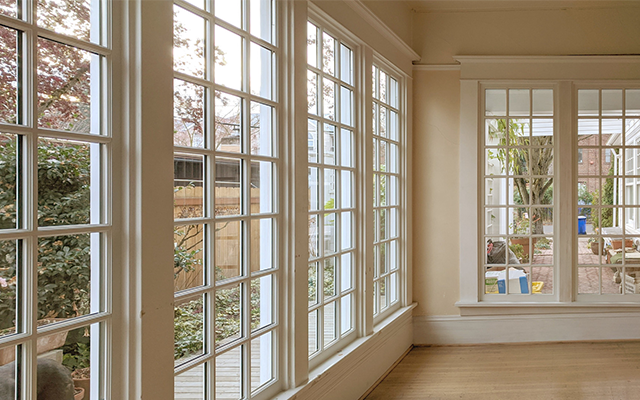
Another major benefit of aluminum glass doors is their aesthetic appeal. The combination of aluminum and glass creates a sleek, modern look that is highly versatile and can complement any design style. The transparency of the glass allows natural light to flood the space, making it feel brighter, larger, and more open. This is particularly beneficial for small rooms or spaces with limited natural light, as it can help to create the illusion of more space. Additionally, the aluminum frame can be customized to match the overall design of the building, with a range of colors and finishes available. Whether you are looking for a minimalist, contemporary look or a more traditional style, aluminum glass doors can be tailored to meet your needs. They also offer a clean, uncluttered appearance, as the frame is slim and the glass panel is the focal point.
Aluminum glass doors are also highly durable and low maintenance. The aluminum frame is resistant to corrosion, rot, insect damage, and UV rays, so it does not require painting or staining like wood doors. The glass panel is easy to clean, requiring only a glass cleaner and a cloth to remove dirt, dust, and fingerprints. Unlike other door materials, aluminum glass doors do not warp, crack, or fade over time, making them a long-lasting investment. With proper maintenance, an aluminum glass door can last for decades, providing reliable performance and aesthetic appeal.
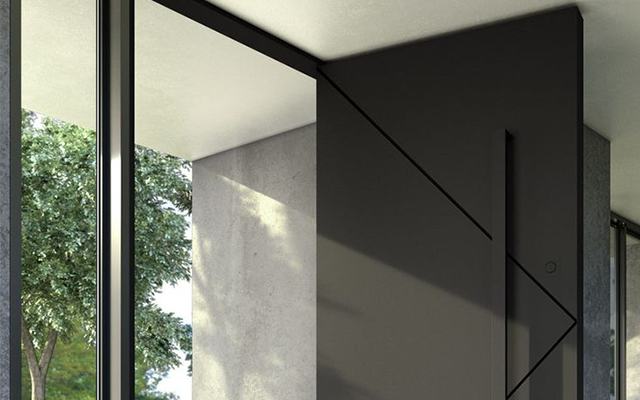
In terms of functionality, aluminum glass doors offer a range of options to suit different needs. They are available in various configurations, including sliding doors, swinging doors, pivot doors, and folding doors (as discussed in the previous section). Sliding aluminum glass doors are a popular choice for patios, balconies, and sunrooms, as they slide along a track, saving space and providing easy access to outdoor areas. Swinging aluminum glass doors are more traditional, opening inward or outward, and are commonly used for entry doors, interior doors, and commercial storefronts. Pivot doors are a modern option that rotates on a pivot point, creating a dramatic entrance and saving space compared to swinging doors. Folding aluminum glass doors, as mentioned earlier, fold along a track, creating a wide, unobstructed opening.
Aluminum glass doors are also highly customizable, allowing homeowners and designers to tailor them to their specific needs. The size of the door can be adjusted to fit any opening, from small interior doors to large commercial storefronts. The glass panel can be customized with various options, including different types of glass (clear, frosted, tinted, etc.), decorative patterns, or even custom designs. The aluminum frame can be customized with different colors, finishes, and profiles, allowing for a seamless integration with the building’s architecture. Additionally, optional features such as built-in screens, handles, locks, and sensors can be added to enhance functionality and security.
The applications of aluminum glass doors are vast and varied. In residential settings, they are commonly used for entry doors, patio doors, balcony doors, sunrooms, interior partitions, and closet doors. They are particularly popular in modern and contemporary homes, where open-concept design and natural light are priorities. In commercial settings, aluminum glass doors are used for storefronts, restaurants, cafes, hotels, office buildings, and shopping malls, as they create an inviting atmosphere for customers and allow for visibility of the interior. In institutional settings, such as schools, hospitals, and government buildings, aluminum glass doors are used for their durability, safety, and ease of maintenance.
Installation of aluminum glass doors requires professional expertise to ensure proper functionality and durability. The installation process involves measuring the opening accurately, preparing the frame (including leveling and securing it to the wall or floor), installing the glass panel, and adjusting the door to ensure smooth operation. It is important to choose a reputable installer with experience in aluminum glass door installation, as improper installation can lead to issues such as misalignment, difficulty opening or closing the door, water infiltration, or glass breakage. Additionally, the installation site must be prepared properly, with a level and stable surface for the frame and track.
Maintenance of aluminum glass doors is relatively simple. Regular cleaning is the most important task: the aluminum frame can be cleaned with a mild detergent and water, and the glass panel can be cleaned with a glass cleaner to remove dirt, dust, and fingerprints. It is also important to inspect the hinges, track, handles, and weatherstripping periodically to ensure they are in good condition. Hinges should be lubricated annually with a silicone-based lubricant to prevent squeaking and ensure smooth operation. The track (for sliding doors) should be kept free of debris, such as dirt, leaves, or gravel, which can cause the door to jam or wear down the track over time. Weatherstripping should be checked for cracks or wear and replaced if necessary to maintain a tight seal. Additionally, the glass panel should be inspected for any chips or cracks, which should be repaired or replaced promptly to prevent further damage.
While aluminum glass doors offer many advantages, there are some considerations to keep in mind. One potential drawback is their cost: aluminum glass doors are generally more expensive than traditional wood or steel doors, due to the high-quality materials and complex construction. However, their durability, energy efficiency, and aesthetic appeal often make them a worthwhile investment in the long run. Another consideration is privacy: clear glass doors do not offer much privacy, so frosted, tinted, or decorative glass may be necessary for areas where privacy is a concern. Additionally, aluminum glass doors may be more vulnerable to breakage than solid doors, although tempered or laminated glass can help to mitigate this risk. Finally, in areas with extremely high winds or severe weather, aluminum glass doors may need to be reinforced to ensure they can withstand the elements.
In conclusion, aluminum glass doors are a versatile, durable, and aesthetically pleasing option for both residential and commercial buildings. Their combination of aluminum and glass provides a perfect balance of strength, functionality, and style, allowing natural light to flow freely while maintaining security and energy efficiency. With a wide range of customization options, configurations, and applications, aluminum glass doors can be tailored to meet the specific needs of any space. By choosing a reputable manufacturer and installer, and following proper maintenance practices, you can enjoy the benefits of aluminum glass doors for many years to come. Whether you are looking to enhance the curb appeal of your home, create a more open and inviting commercial space, or improve the functionality of an institutional building, aluminum glass doors are an excellent choice.







 CN
CN