



Time:2026-04-16 Views:0
Aluminum glass windows have become one of the most widely used building materials in modern architecture, favored for their unique combination of durability, aesthetics, energy efficiency, and versatility. Unlike traditional wooden or steel windows, aluminum glass windows leverage the inherent properties of aluminum alloy to deliver a product that meets the diverse needs of residential, commercial, and industrial buildings. From sleek residential homes to high-rise office towers, aluminum glass windows have proven to be a reliable and stylish choice, offering a perfect balance between functionality and visual appeal. In this comprehensive overview, we will delve into the key features, construction details, material specifications, advantages, applications, maintenance requirements, and future trends of aluminum glass windows, providing a detailed understanding of why they have become a staple in contemporary construction.
First and foremost, the core advantage of aluminum glass windows lies in the superior properties of aluminum alloy as the frame material. Aluminum is a lightweight yet robust metal, with a density significantly lower than steel, making it easier to handle, transport, and install without compromising structural integrity. This lightweight nature also reduces the load on the building’s structure, which is particularly beneficial for high-rise buildings where every pound of weight matters. Additionally, aluminum is highly resistant to corrosion, especially when treated with advanced surface finishes such as anodizing, powder coating, or PVDF coating. These treatments create a protective layer on the aluminum surface, preventing rust, fading, and degradation caused by exposure to harsh weather conditions, including rain, snow, UV radiation, and saltwater (for coastal areas). This corrosion resistance ensures that aluminum glass windows maintain their appearance and performance for decades, making them a long-term investment for any building.
The construction of aluminum glass windows is a sophisticated process that involves several key components working together to deliver optimal performance. The main components include the aluminum frame, glass panels, hardware (such as hinges, locks, and handles), weatherstripping, and sealants. The aluminum frame is typically extruded into precise profiles, which can be customized into various shapes and sizes to fit different architectural designs. Extrusion is a manufacturing process that involves forcing aluminum alloy through a die to create uniform, consistent profiles with complex cross-sections. This process allows for great flexibility in design, enabling architects and designers to create windows with unique shapes, such as curved, angular, or custom-sized frames. The frame profiles are then cut, mitred, and assembled using high-strength fasteners to ensure stability and structural rigidity.
The glass panels used in aluminum glass windows are another critical component, as they directly impact the window’s energy efficiency, sound insulation, safety, and aesthetics. There are several types of glass commonly used, including float glass, tempered glass, laminated glass, insulated glass (double-glazed or triple-glazed), and low-emissivity (Low-E) glass. Float glass is the most basic type, offering clarity and transparency, but it is relatively fragile and has limited energy efficiency. Tempered glass, on the other hand, is heat-treated to be four to five times stronger than float glass, and when broken, it shatters into small, rounded pieces that are less likely to cause injury, making it a safer option for areas where safety is a concern, such as ground-floor windows or windows near children’s play areas. Laminated glass consists of two or more glass layers bonded together with a polyvinyl butyral (PVB) interlayer, which holds the glass together when broken, preventing shards from falling and providing additional security against break-ins. Insulated glass units (IGUs) are composed of two or more glass panes separated by a spacer filled with dry air or inert gas (such as argon or krypton), which creates a thermal barrier that reduces heat transfer between the interior and exterior of the building. This significantly improves the window’s energy efficiency, reducing heating and cooling costs and creating a more comfortable indoor environment. Low-E glass has a thin, transparent coating that reflects infrared radiation, minimizing heat gain in the summer and heat loss in the winter, while still allowing visible light to pass through, making it an ideal choice for energy-efficient buildings.
Hardware components play a vital role in the functionality and security of aluminum glass windows. Hinges, locks, handles, and operators (for movable windows) are typically made of high-quality materials such as stainless steel, brass, or aluminum alloy, ensuring durability and smooth operation. The choice of hardware depends on the type of window (fixed, casement, hung, etc.) and the specific requirements of the application. For example, casement windows require heavy-duty hinges that can support the weight of the glass panel, while sliding windows need smooth-running tracks and rollers. Locks are available in various types, including sash locks, mortise locks, and multi-point locking systems, which provide enhanced security by securing the window at multiple points along the frame. Handles can be customized in terms of design, material, and finish to match the overall aesthetic of the window and the building.
Weatherstripping and sealants are essential for ensuring the airtightness and watertightness of aluminum glass windows. Weatherstripping is typically made of materials such as EPDM rubber, silicone, or foam, and is installed along the edges of the frame and sash to prevent air and water infiltration. Sealants, such as silicone or polyurethane sealants, are used to seal the gaps between the glass and the frame, as well as between the frame and the building structure, further enhancing the window’s performance. Properly installed weatherstripping and sealants not only improve energy efficiency by reducing air leakage but also prevent water damage to the building’s interior and structural components.
Aluminum glass windows offer a wide range of advantages over other types of windows. In addition to their durability and corrosion resistance, they are highly customizable in terms of design, size, color, and glass type. The aluminum frame can be painted or coated in virtually any color, allowing it to match the building’s exterior and interior design. This versatility makes aluminum glass windows suitable for a variety of architectural styles, from modern and contemporary to traditional and classic. Another key advantage is their low maintenance requirements. Unlike wooden windows, which require regular painting, staining, and sealing to prevent rot and decay, aluminum glass windows only need occasional cleaning with soap and water to maintain their appearance. The protective coatings on the aluminum frame also prevent fading and discoloration, ensuring that the windows look new for years to come.
Energy efficiency is another major benefit of aluminum glass windows, especially when equipped with insulated glass and Low-E coatings. By reducing heat transfer, these windows help to lower energy consumption for heating and cooling, which not only reduces utility bills but also contributes to a more sustainable and environmentally friendly building. In fact, many aluminum glass windows meet or exceed energy efficiency standards set by organizations such as the U.S. Environmental Protection Agency (EPA) and the Department of Energy (DOE), making them eligible for energy efficiency rebates and incentives.
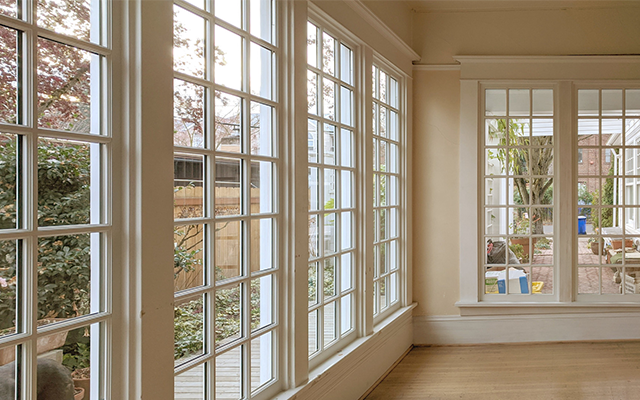
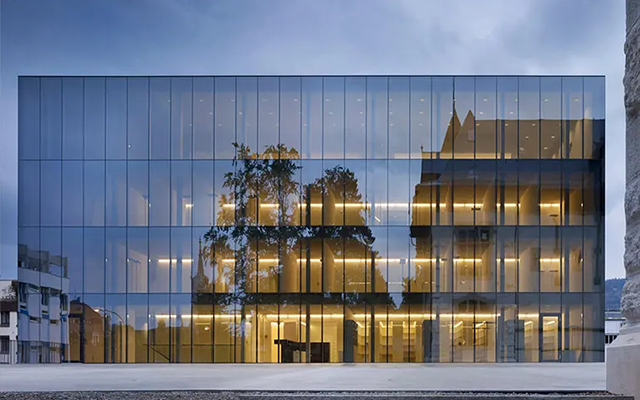
The applications of aluminum glass windows are vast and varied, covering residential, commercial, and industrial sectors. In residential buildings, they are commonly used in houses, apartments, and townhomes, providing natural light, ventilation, and a connection to the outdoors. They can be installed as fixed windows, casement windows, sliding windows, or hung windows, depending on the specific needs of the space. In commercial buildings, such as office towers, shopping malls, hotels, and hospitals, aluminum glass windows are often used to create large, expansive glass facades that enhance the building’s aesthetic appeal and provide ample natural light for occupants. These windows are also designed to meet the high-performance requirements of commercial buildings, such as sound insulation, security, and energy efficiency. In industrial settings, aluminum glass windows are used in factories, warehouses, and manufacturing facilities, where they need to be durable, easy to maintain, and resistant to harsh industrial environments.
Maintenance of aluminum glass windows is relatively simple and straightforward. Regular cleaning of the glass and frame is essential to remove dirt, dust, and debris that can accumulate over time. The glass can be cleaned with a mild detergent and water, using a soft cloth or sponge to avoid scratching the surface. For stubborn stains, a glass cleaner can be used, but it is important to avoid using abrasive cleaners that can damage the glass or the frame’s coating. The hardware components, such as hinges and locks, should be lubricated periodically with a silicone-based lubricant to ensure smooth operation. Weatherstripping and sealants should be inspected regularly for signs of wear or damage, and replaced if necessary to maintain the window’s airtightness and watertightness. By following these simple maintenance steps, aluminum glass windows can last for 20 to 30 years or more, providing long-term value and performance.
Looking to the future, aluminum glass windows are expected to continue evolving to meet the changing needs of the construction industry and consumers. One of the key trends is the increasing focus on sustainability and energy efficiency. Manufacturers are developing new materials and technologies to further improve the thermal performance of aluminum glass windows, such as advanced insulated glass units, improved frame designs, and innovative coatings. Another trend is the integration of smart technology into windows, such as smart glass that can change transparency with the touch of a button or in response to light, and sensors that monitor temperature, humidity, and air quality. Additionally, there is a growing demand for customizable and aesthetically pleasing windows, with manufacturers offering a wider range of colors, finishes, and design options to meet the unique needs of each project. As the construction industry continues to prioritize sustainability, energy efficiency, and innovation, aluminum glass windows are poised to remain a leading choice for modern buildings.
In conclusion, aluminum glass windows are a versatile, durable, and energy-efficient building product that offers numerous benefits for residential, commercial, and industrial applications. Their combination of lightweight aluminum frames, high-performance glass, and quality hardware makes them a reliable and stylish choice for any building. With proper installation and maintenance, aluminum glass windows can provide decades of reliable performance, enhancing the aesthetic appeal, comfort, and sustainability of the building. As technology continues to advance, aluminum glass windows will continue to evolve, offering even greater performance and functionality for future construction projects.







 CN
CN