




Time:2026-06-09 Views:0
Aluminum glass windows are a staple in modern office design, offering a perfect blend of functionality, aesthetics, and performance. In today’s corporate environment, offices require windows that provide ample natural light, enhance indoor air quality, improve energy efficiency, ensure security, and complement the building’s architectural style. Aluminum glass windows meet all these requirements and more, making them the preferred choice for office buildings, corporate headquarters, co-working spaces, and other commercial office environments. In this comprehensive guide, we will explore the benefits, types, design considerations, energy efficiency features, security aspects, installation, and maintenance of aluminum glass windows for offices, providing a detailed overview for architects, building owners, facility managers, and anyone involved in office design and construction.
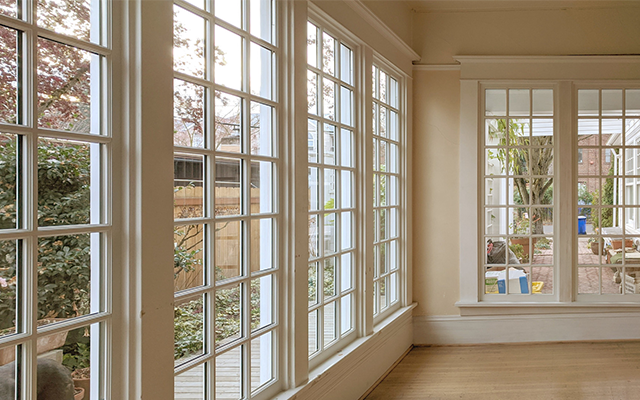
One of the primary reasons aluminum glass windows are so popular for offices is their ability to maximize natural light. Natural light is essential in office environments, as it improves employee productivity, reduces eye strain, and enhances overall well-being. Aluminum frames are slim and sleek, with minimal profile width, which means more glass area and less obstruction to natural light. This allows for large, expansive windows that flood the office with sunlight, creating a bright, open, and inviting workspace. Unlike wood frames that can block light with their thicker profiles, aluminum frames let in more light, making even small offices feel more spacious and comfortable. Additionally, aluminum glass windows can be customized to fit any size or shape, including floor-to-ceiling windows, which are a popular choice in modern office design for their dramatic visual impact and ability to connect the interior with the exterior.
Energy efficiency is another key benefit of aluminum glass windows for offices. Office buildings consume a significant amount of energy for heating, cooling, and lighting, and energy-efficient windows can help reduce these costs. Modern aluminum windows incorporate thermal breaks, which are non-conductive barriers inserted between the interior and exterior aluminum profiles. These thermal breaks reduce heat transfer between the inside and outside of the building, keeping the office cool in summer and warm in winter. When paired with high-performance glazing, such as double-glazed or triple-glazed units, low-E glass, and argon gas fills, aluminum glass windows can achieve excellent energy efficiency ratings, reducing energy consumption by 20% to 30% compared to traditional windows. This not only lowers utility costs but also helps office buildings meet sustainability goals and green building certifications, such as LEED (Leadership in Energy and Environmental Design).
Durability and low maintenance are also important considerations for office windows, as facility managers need windows that can withstand heavy use and require minimal upkeep. Aluminum is an incredibly durable material, resistant to corrosion, moisture, UV damage, and wear and tear. Unlike wood frames that can warp, rot, or swell over time, aluminum frames maintain their shape and functionality for decades, even in harsh environments. Aluminum frames are also easy to clean—simply wiping them with a mild detergent and water is sufficient to keep them looking new. Additionally, aluminum glass windows are less prone to damage from impacts, making them suitable for high-traffic office environments.
Aesthetic appeal is another critical factor in office design, and aluminum glass windows offer a wide range of customization options to complement any architectural style. Aluminum frames can be powder-coated in a variety of colors, including neutral tones like white, black, and gray, as well as bold colors that match the company’s brand identity. The slim profile of aluminum frames creates a modern, sleek look that is popular in contemporary office design, while the ability to customize the size and shape of the windows allows for unique design elements, such as curved windows, corner windows, or glass walls. Additionally, aluminum glass windows can be combined with other materials, such as glass partitions or curtain walls, to create a cohesive, modern look throughout the office.
There are several types of aluminum glass windows suitable for office environments, each with its own benefits and applications. Casement windows are a popular choice for offices that require ventilation, as they swing outward on side hinges, allowing for maximum airflow. They are ideal for individual offices, conference rooms, or break areas where fresh air is desired. Sliding windows are another option, offering easy operation and space-saving design, making them suitable for offices with limited space, such as small offices or cubicle areas. Fixed windows are ideal for areas where ventilation is not a priority but natural light is desired, such as hallways, lobbies, or areas with high or hard-to-reach windows. Awning windows are a good choice for offices that need ventilation while providing protection from rain and sunlight, as they swing outward from the bottom, creating an awning-like effect.
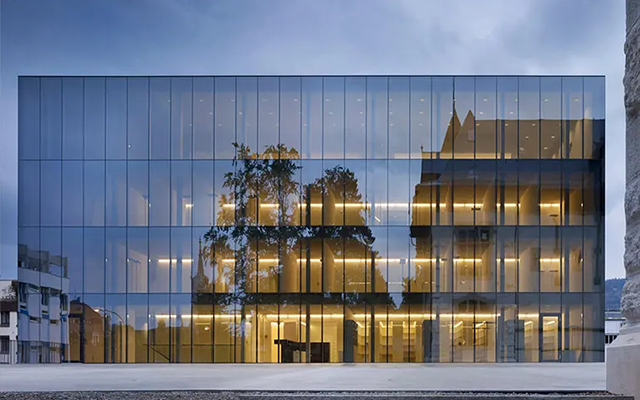
Curtain walls are another popular option for office buildings, especially high-rise structures. Curtain walls are large, non-structural glass walls that are supported by aluminum frames, creating a seamless, glass-covered exterior. They provide maximum natural light and a modern, sleek appearance, making them a signature feature of many modern office buildings. Curtain walls also offer excellent energy efficiency when paired with high-performance glazing, and they can be customized to fit the building’s unique design.
Security is a top priority for office buildings, and aluminum glass windows offer several security features to protect the building and its occupants. Aluminum frames are inherently strong, and when combined with tempered or laminated glass, they provide an additional layer of security. Tempered glass shatters into small, rounded pieces, reducing the risk of injury, while laminated glass holds together when broken, preventing intruders from gaining easy access. Many aluminum glass windows also come with multi-point locking systems, which secure the window at multiple points along the frame, making it more difficult for intruders to force the window open. Additionally, aluminum frames can be reinforced with steel inserts for added strength, making them suitable for high-security office buildings.
Acoustic performance is another important consideration for office environments, where noise reduction is essential for productivity and comfort. Aluminum glass windows can be designed to reduce noise transmission, thanks to high-performance glazing options such as laminated glass or double-glazed units with a sound-dampening interlayer. These windows can reduce external noise (such as traffic, construction, or street noise) by 30 to 40 decibels, creating a quiet, peaceful workspace. This is particularly important for offices located in busy urban areas or near noisy roads.
Installation of aluminum glass windows for offices requires professional expertise, especially for large or complex installations (such as curtain walls or floor-to-ceiling windows). The installation process involves measuring the window openings accurately, preparing the openings (including cleaning, repairing any damage, and ensuring they are level and plumb), installing the aluminum frames, securing the frames in place, installing the glass panes, and sealing the windows to prevent air and water leaks. It is important to work with a contractor who has experience installing aluminum glass windows in commercial office buildings, as improper installation can lead to air and water leaks, reduced energy efficiency, and structural damage.
Maintenance of aluminum glass windows for offices is minimal, but regular upkeep is essential to ensure their longevity and performance. Regular cleaning of the glass and frames is important—wipe the glass with a mild detergent and water to remove dirt, dust, and fingerprints, and clean the frames with a soft cloth to remove debris. The hinges, crank mechanisms, and locking systems should be lubricated annually with a silicone-based lubricant to ensure smooth operation. It is also important to inspect the weatherstripping and seals periodically for signs of wear or damage, and replace them if necessary to prevent air and water leaks. Additionally, inspect the glass for cracks or chips, and address them promptly to prevent further damage.
When choosing aluminum glass windows for offices, there are several key considerations to keep in mind. The type of window should be chosen based on the office’s needs—casement or awning windows for ventilation, fixed windows for natural light, sliding windows for space-saving, and curtain walls for high-rise buildings. The type of glazing is also important, with double-glazed or triple-glazed units, low-E glass, and argon gas fills offering better energy efficiency and acoustic performance. The color and finish of the aluminum frame should complement the building’s exterior and interior design, and the security features should be chosen based on the office’s security needs. It is also important to choose a reputable manufacturer and installer to ensure that the windows are of high quality and installed correctly.
In conclusion, aluminum glass windows are an excellent choice for office buildings, offering a perfect combination of natural light, energy efficiency, durability, aesthetic appeal, security, and acoustic performance. They are versatile, customizable, and low-maintenance, making them suitable for any office environment—from small co-working spaces to large corporate headquarters. By choosing the right type of aluminum glass window and working with a professional installer, you can create a bright, comfortable, and efficient workspace that enhances employee productivity and well-being, while also reducing energy costs and meeting sustainability goals.







 CN
CN