



Time:2026-06-04 Views:0
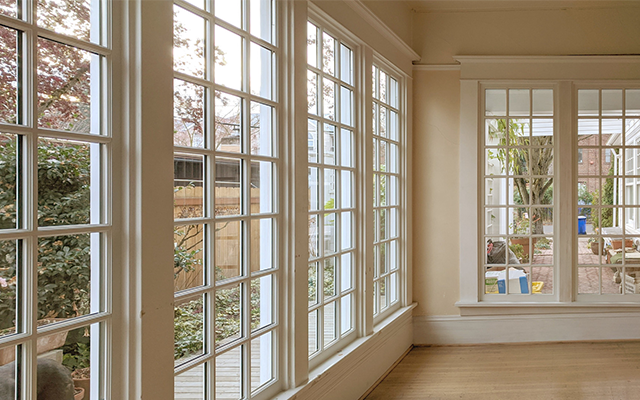
High-rise buildings, with their towering heights, unique structural demands, and exposure to extreme weather conditions, require windows that are not only aesthetically pleasing but also safe, durable, energy-efficient, and easy to maintain. Among the various window options available, aluminum hung windows have become a preferred choice for high-rise construction, offering a perfect balance of performance, functionality, and design flexibility. Hung windows—including double-hung and single-hung varieties—are characterized by vertical sliding sashes that move up and down within the frame, making them ideal for high-rise buildings where safety, space efficiency, and ease of operation are paramount. When paired with aluminum frames, these windows deliver exceptional strength, weather resistance, and long-term reliability, addressing the unique challenges of high-rise living and construction.
One of the primary reasons aluminum hung windows are well-suited for high-rise buildings is their safety features. High-rise buildings present significant safety risks, particularly when it comes to windows—falling objects, strong winds, and unauthorized access are all major concerns. Aluminum hung windows are designed with safety in mind, featuring robust locking systems that prevent the sashes from accidentally sliding open or being forced open from the outside. Many modern aluminum hung windows also come with anti-fall devices, such as sash stops or限位器, which restrict the maximum opening size of the window, preventing children or pets from falling out. This is especially important in high-rise residential buildings, where families with young children may reside. Additionally, aluminum frames are incredibly strong and impact-resistant, able to withstand the force of strong winds, debris, and even minor impacts without breaking or warping, ensuring the safety of the building’s occupants.
The structural integrity of aluminum hung windows is another key factor that makes them suitable for high-rise buildings. High-rise structures are subject to significant wind loads, which can exert immense pressure on windows. Aluminum, with its high strength-to-weight ratio, is able to withstand these wind loads without bending or collapsing. Unlike wood or vinyl frames, which can weaken over time or under extreme pressure, aluminum frames maintain their structural integrity even in the harshest weather conditions. This is crucial for high-rise buildings, where windows are exposed to strong winds, heavy rain, snow, and even hail. The vertical sliding mechanism of hung windows also contributes to their structural stability—when closed, the sashes fit tightly within the frame, creating a secure seal that resists wind infiltration and water penetration. This tight seal not only enhances safety but also improves energy efficiency, reducing heat loss and air leakage.
Energy efficiency is a critical consideration for high-rise buildings, which consume large amounts of energy for heating and cooling. Aluminum hung windows are designed to be highly energy-efficient, thanks to advanced thermal break technology. Traditional aluminum windows are known for their high thermal conductivity, which can lead to significant heat transfer and energy loss. However, modern aluminum hung windows feature thermal breaks—insulated strips made of materials like polyamide (PA66) that are inserted between the interior and exterior aluminum frames. These thermal breaks create a barrier that prevents heat from transferring through the frame, keeping the interior of the building warm in the winter and cool in the summer. This reduces energy consumption and utility costs for building owners and occupants, making aluminum hung windows a sustainable choice for high-rise construction. Additionally, many aluminum hung windows are equipped with low-E glass, which reflects UV radiation and reduces glare, further improving energy efficiency and comfort.
Maintenance and ease of operation are also important factors for high-rise windows, as accessing and maintaining windows at great heights can be difficult and costly. Aluminum hung windows are low-maintenance, requiring only occasional cleaning with soap and water to keep them looking like new. Aluminum is naturally resistant to rust, corrosion, rot, and pest infestations, so it does not require regular painting, staining, or sealing like wood windows. The vertical sliding mechanism of hung windows is also simple and reliable, with minimal moving parts that are less prone to wear and tear. This means that aluminum hung windows require little to no maintenance over their lifespan, reducing the need for costly repairs or replacements. Additionally, the sliding sashes are easy to operate, even at high heights, with smooth gliding mechanisms that require minimal effort. Many modern aluminum hung windows also feature tilt-in sashes, which allow for easy cleaning from the interior of the building—eliminating the need for expensive exterior cleaning services and reducing safety risks associated with cleaning windows at great heights.
Design versatility is another advantage of aluminum hung windows for high-rise buildings. High-rise buildings often have a distinct architectural style, and windows play a crucial role in enhancing the building’s aesthetic appeal. Aluminum frames can be powder-coated in a wide range of colors and finishes, allowing them to match the building’s exterior design. Whether the building has a modern, minimalist look, a sleek contemporary style, or a more traditional appearance, aluminum hung windows can be customized to fit seamlessly. Additionally, aluminum frames have a slim profile that maximizes the glass area, providing unobstructed views of the surrounding landscape. This is particularly important for high-rise buildings, where occupants value the panoramic views that come with living or working at height. The vertical sliding design of hung windows also creates a clean, uniform look when viewed from the exterior, enhancing the building’s overall aesthetic.
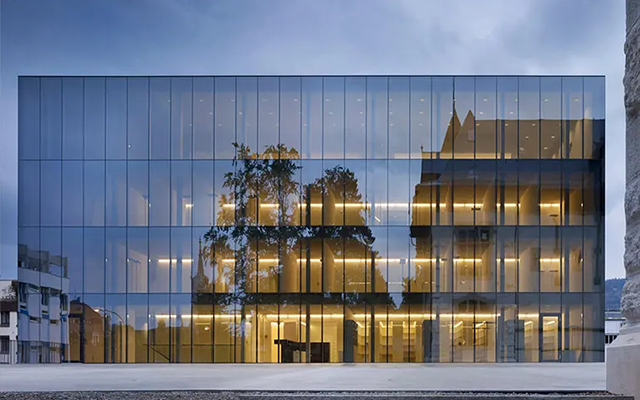
Another key benefit of aluminum hung windows for high-rise buildings is their compatibility with modern building systems. High-rise construction often involves curtain walls, which are non-structural exterior cladding systems that integrate windows and other building components. Aluminum hung windows can be easily integrated into curtain wall systems, creating a seamless, cohesive exterior appearance. This integration not only enhances the building’s aesthetic but also improves its performance, as the curtain wall and windows work together to provide thermal insulation, weather resistance, and structural support. Additionally, aluminum hung windows are compatible with various glazing options, including double glazing, triple glazing, and low-E glass, allowing building designers to customize the windows to meet specific energy efficiency and performance requirements.
Safety standards and compliance are also critical for high-rise windows, and aluminum hung windows meet the strictest safety codes and regulations. In many countries, high-rise buildings are required to use windows that meet specific safety standards, including wind load resistance, impact resistance, and fire safety. Aluminum hung windows are tested and certified to meet these standards, ensuring that they can withstand the unique challenges of high-rise construction. For example, they are designed to resist wind loads of up to 150 mph or more, depending on the building’s height and location. They also meet impact resistance standards, which require the windows to withstand the force of flying debris during storms or other extreme weather events. Additionally, aluminum is a non-combustible material, making aluminum hung windows compliant with fire safety regulations for high-rise buildings.
Real-world examples of aluminum hung windows in high-rise buildings are abundant. Many modern skyscrapers, residential towers, and commercial high-rises around the world use aluminum hung windows for their safety, durability, and aesthetic appeal. For example, residential high-rises in urban areas often use double-hung aluminum windows to provide residents with control over ventilation and natural light, while ensuring safety and energy efficiency. Commercial high-rises, such as office buildings, use aluminum hung windows to create a professional, sleek appearance, while providing employees with unobstructed views and a comfortable working environment. In each case, aluminum hung windows deliver the performance and functionality required for high-rise construction, while enhancing the building’s overall design.
When selecting aluminum hung windows for high-rise buildings, there are several key factors to consider. First, the windows must be designed to withstand the specific wind loads and weather conditions of the building’s location. This may require choosing windows with a higher wind load rating, thicker aluminum frames, or reinforced sashes. Second, the windows should be equipped with advanced thermal break technology and energy-efficient glass to reduce energy consumption and improve comfort. Third, the design of the windows should complement the building’s architectural style, with custom colors and finishes to match the exterior. Finally, the windows should be easy to maintain and operate, with features like tilt-in sashes for easy cleaning and smooth sliding mechanisms.
In conclusion, aluminum hung windows are an ideal choice for high-rise buildings, offering a unique combination of safety, structural integrity, energy efficiency, low maintenance, and design versatility. Their robust construction and safety features address the unique risks associated with high-rise living, while their energy-efficient design helps reduce utility costs and promote sustainability. The low-maintenance nature and easy operation of aluminum hung windows make them a practical choice for high-rise buildings, where maintenance and access can be challenging. Additionally, their design versatility allows them to complement any architectural style, enhancing the building’s aesthetic appeal. Whether used in residential towers, commercial skyscrapers, or mixed-use high-rises, aluminum hung windows deliver the performance and reliability required for high-rise construction, making them a preferred choice among architects, builders, and building owners.







 CN
CN