




Time:2026-06-08 Views:0
Aluminum sliding windows with screen are a popular and practical window solution for both residential and commercial properties, offering a perfect balance of functionality, durability, and convenience. Sliding windows operate by sliding horizontally along a track, allowing for easy opening and closing, while the integrated screen provides protection against insects, dust, and debris without compromising natural light or airflow. In this comprehensive guide, we will explore the design, benefits, screen options, installation, maintenance, and applications of aluminum sliding windows with screen, helping you understand why they are a top choice for modern buildings.
The core design of aluminum sliding windows with screen is simple yet effective. These windows consist of two or more sashes (movable glass panels) that slide horizontally along a track system installed at the top and bottom of the window frame. Unlike casement windows that swing outward, sliding windows do not require additional space for the sash to open, making them ideal for areas where space is limited, such as balconies, patios, or narrow rooms. The track system is typically made of aluminum or stainless steel, ensuring smooth operation and durability, even with frequent use. The screen is integrated into the window frame, either on the interior or exterior side, and slides along with the sash or remains fixed, depending on the design.
Aluminum is the ideal frame material for sliding windows due to its unique properties. It is lightweight yet strong, which means the sashes can be large without being heavy or difficult to slide. Aluminum frames are also slim, with minimal profile width, which maximizes the glass area, allowing more natural light to enter the space. Unlike wood frames that can warp, rot, or swell over time, aluminum frames are resistant to moisture, corrosion, and UV damage, making them suitable for all climates—from humid coastal areas to dry, sunny regions. Aluminum is also highly customizable, with a wide range of powder-coat colors available, allowing the windows to match any architectural style or design preference.
The screen is a key component of aluminum sliding windows with screen, providing essential protection while maintaining the window’s functionality. There are several types of screens available, each with its own benefits and applications. The most common type is the fiberglass screen, which is lightweight, durable, and resistant to tearing. Fiberglass screens are available in different mesh sizes, with smaller mesh sizes providing better protection against small insects like mosquitoes and gnats. Aluminum screens are another option, offering superior strength and durability, making them ideal for high-traffic areas or homes with pets. Aluminum screens are also resistant to rust and corrosion, making them suitable for coastal environments. For those looking for enhanced functionality, solar screens are available, which block UV radiation and reduce glare, while still allowing natural light and airflow. Solar screens can also help reduce energy costs by keeping the interior cool in summer.
One of the main benefits of aluminum sliding windows with screen is their ease of use. The sliding mechanism is smooth and effortless, requiring minimal force to open and close the sashes. This makes them ideal for children, the elderly, or anyone with limited mobility. The sliding design also allows for partial or full opening, giving you control over the amount of airflow and natural light entering the space. For example, you can slide one sash open slightly for gentle airflow, or slide both sashes open for maximum ventilation. The integrated screen means you can keep the window open without worrying about insects or debris entering the space, making them perfect for use during warm weather.
Energy efficiency is another important benefit of aluminum sliding windows with screen. Modern aluminum frames incorporate thermal breaks, which are non-conductive barriers that reduce heat transfer between the interior and exterior of the building. This helps to keep the interior cool in summer and warm in winter, reducing energy costs associated with heating and cooling. When paired with high-performance glazing, such as double-glazed or triple-glazed units, low-E glass, or argon gas fills, aluminum sliding windows can achieve excellent energy efficiency ratings. The screen also contributes to energy efficiency by blocking UV radiation, which can cause furniture, flooring, and other interior elements to fade over time.
Durability and low maintenance are additional advantages of aluminum sliding windows with screen. Aluminum frames are inherently strong and resistant to damage, and they do not require painting or staining like wood frames. Regular cleaning is the primary maintenance task—simply wiping the frame, glass, and screen with a mild detergent and water will keep the window looking new and functioning properly. The track system should be cleaned periodically to remove dirt, dust, and debris, which can cause the sashes to stick or slide unevenly. Lubricating the track with a silicone-based lubricant annually will ensure smooth operation. The screen may need to be replaced periodically if it becomes torn or damaged, but this is a simple and affordable task.
Security is also a consideration with aluminum sliding windows with screen. While sliding windows are generally less secure than casement windows due to their design, modern aluminum sliding windows come with a range of security features to enhance safety. These include multi-point locking systems, which secure the sash at multiple points along the track, making it more difficult for intruders to force the window open. Tempered or laminated glass is also available, which is stronger and more resistant to breakage than standard glass. The screen can also provide an additional layer of security, as it acts as a barrier against intruders trying to access the window.
Installation of aluminum sliding windows with screen requires professional expertise to ensure optimal performance. The installation process involves measuring the window opening accurately, preparing the opening (including sealing any gaps or cracks), and installing the frame and track system. The sashes are then placed on the track, and the screen is installed. It is important to ensure that the track is level and aligned correctly, as any misalignment can cause the sashes to stick or slide unevenly. Professional installers will also ensure that the window is properly sealed to prevent air and water leaks, which can reduce energy efficiency and cause damage to the building.
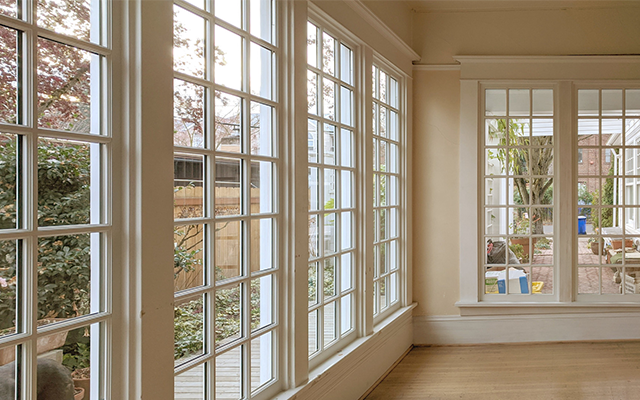
Practical applications of aluminum sliding windows with screen are wide-ranging. In residential settings, they are ideal for balconies, patios, and sunrooms, where space is limited and easy access to the outdoors is desired. They are also suitable for bedrooms, living rooms, and kitchens, where natural light and ventilation are important. In commercial settings, such as offices, retail stores, and restaurants, aluminum sliding windows with screen provide excellent natural light and ventilation, while also enhancing the aesthetic appeal of the space. They are also suitable for schools, hospitals, and other public buildings, where ease of use and low maintenance are priorities.
When choosing aluminum sliding windows with screen, there are several factors to consider. The size of the window opening will determine the size of the sashes, and it is important to choose a window that is proportionate to the space. The type of screen should be chosen based on your needs—fiberglass for general use, aluminum for durability, and solar for energy efficiency. The type of glazing is also important, with double-glazed or triple-glazed units offering better insulation. The color of the frame should complement the building’s exterior and interior design, and the security features should be chosen based on your security needs. It is also important to choose a reputable manufacturer and installer to ensure that the window is of high quality and installed correctly.
In conclusion, aluminum sliding windows with screen are a practical, durable, and convenient choice for any building. Their sliding design saves space, while the integrated screen provides essential protection against insects and debris. The aluminum frame offers strength, durability, and energy efficiency, and the windows are easy to use and maintain. With a wide range of customization options and applications, aluminum sliding windows with screen are an excellent solution for modern homes and commercial buildings.







 CN
CN