

Time:2025-08-28 Views:0
Aluminum spiral staircases have emerged as a favored choice for both residential and commercial settings, offering a compelling mix of practicality, aesthetics, and longevity. Their unique combination of lightweight construction, corrosion resistance, and design flexibility makes them ideal for spaces where traditional materials like steel or wood fall short—whether installed on a compact urban deck, a rooftop terrace, or as an interior focal point in a modern home. Unlike heavier metals, aluminum spiral staircases are easier to transport and install, while their natural resistance to rust ensures they thrive in outdoor environments, from coastal regions to humid climates. This guide delves into the defining characteristics of aluminum spiral staircases, exploring their design versatility, material benefits, safety features, installation processes, maintenance needs, and how they enhance diverse architectural styles.
The Advantages of Aluminum: Why It’s Ideal for Spiral Staircases
Aluminum’s inherent properties make it uniquely suited for spiral staircase construction, addressing many of the challenges posed by other materials. Lightweight nature is perhaps its most significant advantage: aluminum weighs approximately one-third of steel, simplifying transportation, handling, and installation. This makes aluminum spiral staircases feasible for upper-level decks, rooftops, or mezzanines where structural load is a concern, as they place less stress on supporting frameworks. For DIY enthusiasts or small teams, the reduced weight eliminates the need for heavy machinery, cutting down on installation time and labor costs.
Corrosion resistance is another key benefit. Unlike steel, which requires protective coatings to prevent rust, aluminum forms a thin, self-healing oxide layer when exposed to air. This layer acts as a barrier against moisture, salt, and chemicals, making aluminum spiral staircases ideal for outdoor use—whether in coastal areas with salt spray, rainy regions, or poolside settings where chlorine exposure is common. Even in humid indoor spaces like bathrooms or basements, aluminum resists tarnishing, ensuring the staircase maintains its appearance over time.
Design flexibility stems from aluminum’s malleability, allowing for intricate shapes and finishes that would be difficult or costly to achieve with steel. Manufacturers can easily bend, cut, and weld aluminum to create custom spiral configurations, from tight 4-foot-diameter staircases for small decks to wider, more gradual spirals for grand entrances. Aluminum also accepts a range of finishes, including powder coating in virtually any color, anodizing for a durable, metallic look, or polishing for a sleek, reflective surface. This versatility enables homeowners and designers to match the staircase to existing decor, whether seeking a bold accent or a subtle complement to surrounding materials.
Cost-effectiveness adds to aluminum’s appeal. While initial costs may be higher than galvanized steel, aluminum spiral staircases require less maintenance over their lifespan, reducing long-term expenses. They also tend to have longer warranties (often 10–20 years) due to their durability, providing peace of mind for buyers. For projects with tight budgets, prefabricated aluminum spiral staircase kits offer an affordable alternative to custom steel or wood designs, combining standardized components with professional-grade quality.
Design Versatility: Shapes, Finishes, and Customization
Aluminum spiral staircases thrive in a range of design contexts, adapting to both functional needs and aesthetic preferences through customizable features. Spiral configurations vary based on the space’s requirements: compact 4-foot-diameter models are perfect for small decks or secondary access points, while 5–6-foot-diameter staircases work well as primary entrances or connections between multi-level outdoor spaces. The rotation of the spiral—how many degrees it turns per riser—can also be adjusted: steeper rotations (30–35 degrees per riser) minimize footprint for tight spaces, while gentler rotations (25–30 degrees) prioritize comfort for taller staircases.
Tread and riser designs further enhance functionality and style. Treads are typically made from aluminum plate, which can be left solid for a modern look or perforated/grated to improve drainage in outdoor settings. Non-slip surfaces are easily integrated, whether through raised diamond plating, applied rubber inserts, or textured powder coatings, ensuring safety in wet or icy conditions. Risers are often open (absent or slotted) to reduce weight and create a sense of openness, though solid aluminum risers can be added for privacy or to meet specific building codes.
Finishes play a pivotal role in the staircase’s aesthetic impact. Powder coating is the most popular option, offering a durable, fade-resistant finish in colors from neutral whites and blacks to bold reds or blues. This allows the staircase to complement its surroundings—for example, a black powder-coated aluminum spiral staircase pairs striking contrast with a light-colored composite deck, while a white finish blends seamlessly with coastal or cottage-style homes. Anodizing creates a metallic finish (silver, bronze, black) that penetrates the aluminum surface, making it resistant to chipping or peeling. Polished aluminum, with its mirror-like shine, adds a luxurious touch to contemporary interiors or high-end outdoor spaces like rooftop lounges.
Custom accents allow for personalization. Aluminum balusters can be shaped into geometric patterns, curved designs, or even custom motifs (like floral or abstract shapes) to reflect the homeowner’s style. Handrails may feature ergonomic curves or integrated LED lighting for visibility, while the central column—often a hollow aluminum tube—can be powder-coated to match or contrast with the treads. For a mixed-material look, aluminum frames can be paired with glass panels, wooden handrails, or stone treads, blending industrial strength with natural warmth.
Safety Standards: Ensuring Secure Use in Every Setting
Aluminum spiral staircases must meet rigorous safety standards to protect users, with features designed to address the unique challenges of spiral geometry. Structural integrity is ensured through careful engineering: the central column, typically a thick-walled aluminum tube, provides stability, while treads are securely welded or bolted to the column at precise angles. Aluminum’s strength-to-weight ratio allows for thin yet robust components—treads are often 1/4–3/8 inches thick, balancing durability with lightness. For elevated installations (over 6 feet high), additional bracing between the staircase and supporting structure (like a deck or wall) reduces sway, enhancing stability.
Tread and riser specifications adhere to building codes, which require treads to be at least 10 inches wide at the outer edge (where most weight is placed) and risers to measure between 7 and 7.75 inches high. The inner edge of each tread (near the central column) is typically 6–8 inches wide, providing enough space for safe foot placement during rotation. Non-slip surfaces are mandatory, with aluminum treads often featuring raised patterns or applied grit coatings that maintain traction even when wet. In snowy climates, optional heated treads (with electric coils embedded in aluminum) prevent ice buildup, eliminating the need for corrosive de-icing salts.
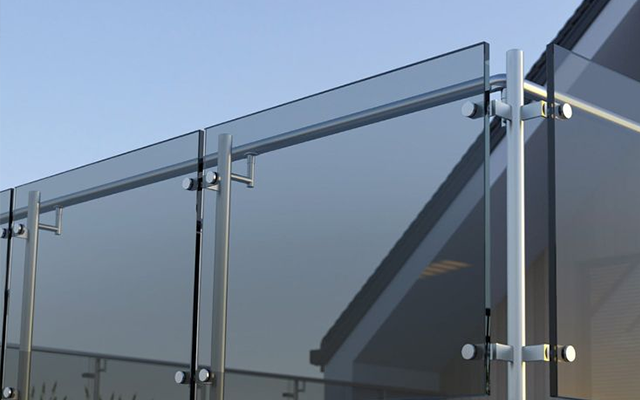
Handrails and guards are critical for fall prevention. Handrails must be 34–38 inches high, measured from the tread nosing, and have a diameter of 1.25–2 inches for a secure grip. They are continuous along the spiral, following its curve to avoid gaps that could catch clothing or hands. Guards (the barriers between the handrail and treads) must be at least 36 inches high, with balusters spaced no more than 4 inches apart to prevent children from squeezing through. Aluminum balusters are often welded to both the treads and handrail, ensuring rigidity, while glass panels (secured in aluminum frames) offer unobstructed views without compromising safety.
Visibility enhances safety in low-light conditions. Many aluminum spiral staircases integrate LED lighting, either within the handrail, under the tread nosings, or around the central column. These lights are often low-voltage or solar-powered, providing subtle illumination that highlights the staircase’s path without glare. Light-colored finishes or reflective strips on tread edges further improve visibility, ensuring the staircase remains safe to use at night.
Installation Process: Simplified by Aluminum’s Lightweight Nature
Installing an aluminum spiral staircase is more straightforward than installing steel or concrete alternatives, thanks to its lightweight design, though precision remains key. Site preparation begins with measuring the rise (vertical height between levels) and available footprint to confirm the staircase’s dimensions. For outdoor installations, a concrete footing is required to anchor the central column—typically 12–24 inches deep and 24 inches in diameter, with reinforcing rebar for stability. In frost-prone regions, the footing must extend below the frost line to prevent shifting during freeze-thaw cycles.
Prefabricated kits simplify assembly, as most aluminum spiral staircases are sold with pre-cut, pre-drilled components. The central column is first secured to the footing using anchor bolts, ensuring it is perfectly vertical (plumb). Treads are then attached to the column at predetermined angles, with each tread leveled using a laser or spirit level to ensure consistent alignment. For indoor staircases or those attaching to decks, the top tread is secured to the upper level’s framing using aluminum brackets or lag bolts, creating a flush transition between the staircase and the floor.
Handrail installation follows, with the curved rail mounted to the outer edge of the treads using brackets. The rail must align smoothly with the spiral’s curve, with no gaps or misalignments that could hinder grip. Balusters are then attached between the handrail and treads, either welded in place (for custom designs) or bolted (for kit-based systems).
Final adjustments ensure safety and functionality. The entire structure is checked for wobble, with loose connections tightened as needed. Treads are tested for stability under weight, and the handrail is verified to be secure. For outdoor staircases, drainage is tested by running water over the treads to ensure it flows freely through perforations or off the edges, preventing pooling.
While DIY installation is possible for handy homeowners, professional installation is recommended for elevated or custom-designed aluminum spiral staircases. Experienced installers have the tools to ensure precise alignment, secure anchoring, and compliance with local codes, reducing the risk of structural issues.
Maintenance: Keeping Aluminum Spiral Staircases in Pristine Condition
Aluminum spiral staircases require minimal maintenance compared to steel or wood, but regular care ensures they remain safe and attractive for decades. Cleaning is simple: a monthly rinse with a garden hose removes dirt, pollen, and debris, while occasional wiping with a soft cloth and mild detergent addresses stubborn stains. For coastal areas, more frequent cleaning may be needed to remove salt deposits, which can dull the finish over time. High-pressure washers should be avoided, as they can damage powder coatings or dislodge non-slip inserts.
Finish preservation is straightforward. Powder-coated aluminum resists chipping and fading, but any scratches should be touched up with matching touch-up paint to prevent moisture from reaching the bare metal (though aluminum’s oxide layer still offers some protection). Anodized finishes require no special care beyond cleaning, as the color is integral to the metal surface. Polished aluminum may develop water spots, which can be removed with a stainless steel cleaner or aluminum polish, restoring its shine.
Structural inspections should be conducted twice a year (spring and fall) to check for loose bolts, welds, or treads. Aluminum is less prone to corrosion than steel, but connections can loosen over time due to vibration or temperature fluctuations. Tightening hardware with a wrench ensures stability, while replacing any worn or damaged components (like rubber non-slip inserts) maintains safety.
Seasonal care adapts to weather conditions. In winter, snow can be removed with a plastic shovel (to avoid scratching the finish), and ice can be melted with calcium chloride (not rock salt, which can damage aluminum over time). In humid climates, ensuring proper drainage around the base of the staircase prevents standing water, which can accelerate wear on the footing.
Applications: Where Aluminum Spiral Staircases Excel
Aluminum spiral staircases shine in diverse settings, offering solutions for spaces where weight, corrosion resistance, or style is a priority. Residential outdoor spaces—such as decks, patios, and pool areas—benefit from their rust resistance and lightweight design. A 4-foot-diameter aluminum spiral staircase is perfect for a small urban deck, freeing up space for seating while providing access to the yard. Pool decks appreciate aluminum’s chlorine resistance, with grated treads ensuring water drains quickly to prevent slips.
Rooftop access is a natural fit, as aluminum’s light weight minimizes stress on rooftop structures. Whether leading to a residential rooftop garden or a commercial rooftop lounge, aluminum spiral staircases offer a compact, stylish solution. Their corrosion resistance ensures they withstand exposure to wind, rain, and UV rays, while powder-coated finishes can be matched to the building’s exterior for a cohesive look.
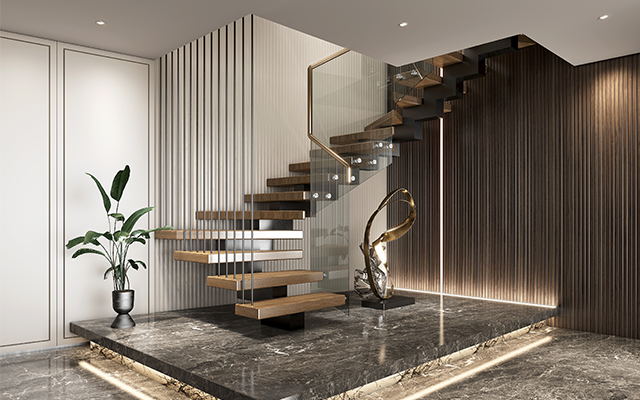
Interior spaces embrace aluminum spiral staircases for their modern aesthetic. In open-concept homes, a polished aluminum spiral staircase with glass balusters serves as a sculptural focal point, connecting living areas without blocking light. Basements or lofts benefit from their space-saving design, with powder-coated finishes (like white or gray) complementing contemporary decor.
Commercial settings—including restaurants, hotels, and office buildings—use aluminum spiral staircases to enhance both function and branding. A restaurant with a rooftop dining area might install a red powder-coated aluminum spiral staircase to make a bold statement, while a hotel pool area could opt for a white anodized staircase that blends with coastal decor. Aluminum’s durability ensures it withstands heavy foot traffic, making it suitable for high-use spaces.
Environmental Benefits: A Sustainable Choice
Aluminum spiral staircases align with sustainable building practices, offering eco-friendly advantages over other materials. Recyclability is a key feature: aluminum is 100% recyclable without losing strength, and recycled aluminum requires 95% less energy to produce than primary aluminum. Many manufacturers use recycled aluminum in their staircases, reducing the carbon footprint of production. At the end of its lifespan, an aluminum spiral staircase can be recycled, diverting waste from landfills.
Longevity reduces the need for replacement, as aluminum spiral staircases often last 30+ years with minimal maintenance. This longevity lowers the environmental impact associated with manufacturing and installing new staircases, making them a sustainable choice for long-term projects.
Energy efficiency in production and transportation further enhances their eco-credentials. Aluminum’s lightweight nature reduces fuel consumption during shipping, while modern manufacturing processes (like powder coating, which emits few volatile organic compounds) minimize environmental harm.
Conclusion: Aluminum Spiral Staircases as a Modern Solution
Aluminum spiral staircases represent a perfect fusion of form and function, offering lightweight durability, corrosion resistance, and design flexibility that suit both indoor and outdoor spaces. Their ability to adapt to diverse architectural styles—from contemporary to coastal—while meeting strict safety standards makes them a versatile choice for homeowners, designers, and builders alike. Whether installed as a space-saving solution on a small deck, a stylish focal point in a modern home, or a durable access point to a rooftop, aluminum spiral staircases deliver long-term value with minimal maintenance.
As sustainability and practicality become increasingly important in design, aluminum spiral staircases stand out as a forward-thinking choice, combining eco-friendly materials with timeless appeal. With their blend of strength, style, and simplicity, they prove that modern engineering can create solutions that are as beautiful as they are functional.









 CN
CN