



Time:2026-04-14 Views:0
Australia’s unique climate—characterized by extreme heat in the north, cool winters in the south, and high humidity along the coast—presents distinct challenges for window materials, making aluminum windows a popular and practical choice for both residential and commercial buildings. Aluminum’s inherent properties, including corrosion resistance, durability, and thermal efficiency (when equipped with modern technology), align perfectly with Australia’s environmental conditions and building needs. Over the years, the Australian aluminum window market has matured, driven by stringent energy regulations, evolving architectural trends, and a growing focus on sustainability. This article explores the role of aluminum windows in Australia, covering market dynamics, regulatory requirements, popular designs, climate-specific adaptations, and future trends.
The Australian aluminum window market is experiencing steady growth, with a CAGR of 6-8% in the high-performance segment. This growth is fueled by several factors, including a booming construction industry, increasing demand for energy-efficient homes, and a shift toward modern, minimalist architecture. Australia’s population growth and urbanization, particularly in major cities like Sydney, Melbourne, and Brisbane, have led to a surge in new residential and commercial construction, driving demand for high-quality, durable windows. Additionally, the renovation of older homes, which often have outdated windows, is contributing to the replacement market for aluminum windows.
Climate adaptation is a key factor in the popularity of aluminum windows in Australia. From the tropical heat of Queensland to the frosty southern highlands of Victoria, aluminum windows are designed to withstand extreme weather conditions. In coastal areas, such as Sydney, Brisbane, and the Gold Coast, aluminum’s corrosion resistance is critical, as saltwater and humidity can damage other materials like wood. Manufacturers often use advanced finishes, such as high-grade powder coating or anodizing, to enhance corrosion resistance, ensuring aluminum windows remain durable and attractive even in harsh coastal environments. In the southern states, where winters are cool and rainfall is higher, aluminum windows with thermal break technology and double glazing provide effective insulation, reducing heat loss and lowering energy bills.
Energy efficiency is a top priority in the Australian aluminum window market, driven by the country’s commitment to reducing carbon emissions and the rising cost of energy. The National Construction Code (NCC) sets minimum energy efficiency standards for windows, which vary by climate zone. Aluminum windows in Australia are typically equipped with thermal break technology, which involves inserting a non-conductive material (such as polyamide) between the interior and exterior aluminum profiles. This technology significantly reduces heat transfer, making aluminum windows more energy-efficient and helping homeowners and businesses meet NCC requirements. Double glazing is also standard in most Australian aluminum windows, with an insulating air chamber (often filled with argon gas) between two panes of glass to control noise and heat. Low-E glass is another common feature, reflecting infrared heat to keep homes cooler in summer and warmer in winter, further improving energy efficiency. High-quality aluminum casement windows, for example, can help reduce energy bills by up to 30% compared to outdated windows.
Regulatory compliance is a critical aspect of the Australian aluminum window market. The NCC, administered by the Australian Building Codes Board (ABCB), sets standards for energy efficiency, structural integrity, safety, and accessibility. Additionally, Australian Standards (AS) provide detailed requirements for window materials, construction, installation, and performance. For example, AS 2047 specifies requirements for external windows, including aluminum windows, covering materials, construction, installation, and glazing. This standard ensures that aluminum windows meet minimum safety and performance criteria, including wind load resistance, water tightness, and air tightness. In addition, the Australian Competition and Consumer Commission (ACCC) regulates product labeling, ensuring that manufacturers accurately represent the energy efficiency and performance of their aluminum windows.
Architectural trends in Australia are shaping the design of aluminum windows, with a focus on minimalist aesthetics, natural light, and indoor-outdoor living. Slimline aluminum profiles are becoming increasingly popular, especially in modern homes in Sydney and Melbourne, as they maximize the glass area for better views and more natural light. Floor-to-ceiling aluminum windows and sliding glass doors are common in contemporary homes, blurring the line between indoor and outdoor spaces and taking advantage of Australia’s mild climate. Black aluminum frames are a top choice for modern homes, offering a sleek, sophisticated look that complements a range of exterior materials, including brick, stone, and timber. Additionally, customization options are abundant, with manufacturers offering a wide range of colors, finishes, and hardware to match individual design preferences.
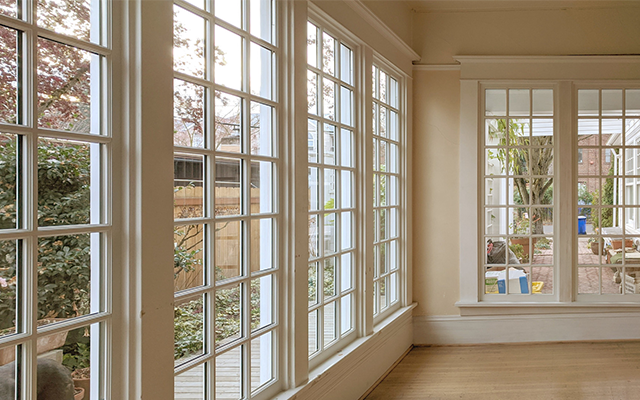
The residential sector is the largest market for aluminum windows in Australia, with new construction and renovation projects driving demand. Aluminum windows are popular in a variety of residential settings, from apartments in urban areas to detached homes in suburban and rural areas. Casement windows are a common choice for residential properties, as they offer excellent ventilation and unobstructed views, while sliding windows are popular in smaller spaces or areas where casement windows would be impractical. In addition, awning windows are widely used in coastal areas, as they can be left open during light rain to provide ventilation without allowing water to enter the home.
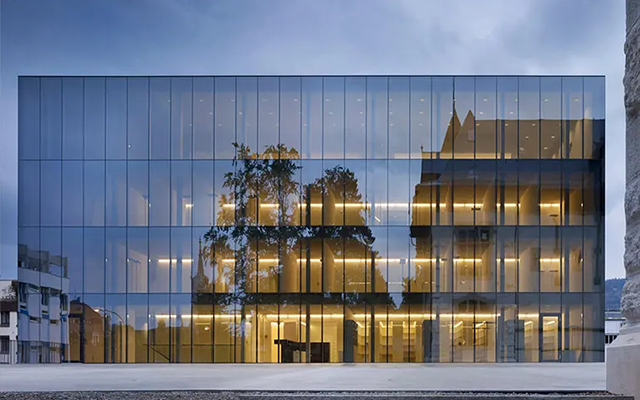
The commercial sector also contributes significantly to the Australian aluminum window market. Commercial buildings, such as office towers, retail centers, schools, and healthcare facilities, rely on aluminum windows for their durability, large glass area capabilities, and ability to meet strict building codes. Aluminum’s strength-to-weight ratio allows for the creation of large, custom windows that maximize natural light and enhance the aesthetic appeal of commercial buildings. Additionally, aluminum windows are easy to maintain, a key factor for commercial property owners who need cost-effective, long-lasting solutions. The commercial sector also benefits from the versatility of aluminum, which can be used in a range of window styles, from fixed windows to operable casement and sliding windows.
Sustainability is an increasingly important trend in the Australian aluminum window market. Aluminum is a highly sustainable material, as it is 100% recyclable with no loss of quality. Many Australian aluminum window manufacturers use recycled aluminum in their products, reducing the environmental impact of production. Additionally, aluminum windows contribute to sustainable building practices by improving energy efficiency, reducing carbon emissions, and enhancing indoor air quality. Green building certifications, such as Green Star and NatHERS (Nationwide House Energy Rating Scheme), often reward the use of energy-efficient aluminum windows, further driving demand in the market.
Despite its many advantages, the Australian aluminum window market faces some challenges. One of the primary challenges is the ongoing investigation into aluminum windows and doors imported from China, which has raised concerns about market competition and potential injury to the local industry. Additionally, the cost of aluminum can fluctuate, affecting manufacturing costs and product prices. However, the benefits of aluminum windows—including durability, energy efficiency, and design flexibility—continue to make them a preferred choice for Australian homeowners and businesses.
Looking ahead, the Australian aluminum window market is expected to continue growing, driven by several key trends. The push toward sustainable construction and energy efficiency will remain a top priority, leading to further innovation in thermal break technology, glazing, and smart window features. The growing popularity of modern, minimalist architecture will continue to drive demand for slimline aluminum profiles and large glass areas. Additionally, the renovation of older homes and the expansion of urban areas will create sustained demand for replacement aluminum windows. With its ability to adapt to Australia’s diverse climate and meet the evolving needs of consumers and architects, aluminum is likely to remain a dominant material in the Australian window market for years to come.







 CN
CN