




Time:2026-04-14 Views:0
Canada’s harsh climate—characterized by long, cold winters with heavy snowfall and freezing temperatures, and short, warm summers—requires windows that are durable, energy-efficient, and able to withstand extreme weather conditions. Aluminum windows, once overlooked for their high thermal conductivity, have evolved significantly in recent years, making them a viable and popular choice for Canadian homes and businesses. With advanced thermal break technology, improved glazing, and strict adherence to energy regulations, aluminum windows now offer the insulation and durability needed to thrive in Canada’s climate. This article explores the current state of aluminum windows in Canada, including market dynamics, regulatory frameworks, climate-specific adaptations, popular designs, and future trends.
The Canadian aluminum window market is a significant segment of the country’s construction industry, driven by a combination of new construction, renovation projects, and a focus on energy efficiency. According to Lucintel, the metal segment (which includes aluminum) is expected to remain the largest segment in the Canadian door and window market, driven by strong demand for aluminum windows due to their aesthetic appeal, low maintenance, and low cost compared to other materials. While vinyl windows dominate the residential market, aluminum windows are increasingly popular in commercial buildings and high-end residential properties, where durability, design flexibility, and large glass area capabilities are prioritized.
Energy efficiency is the most critical factor in the Canadian aluminum window market, given the country’s cold climate. The Canadian government, through Natural Resources Canada (NRCan), sets strict energy efficiency standards for windows, known as the Energy Star Canada program. Aluminum windows must meet specific U-value and SHGC requirements to qualify for Energy Star certification, which helps consumers reduce energy costs and lower carbon emissions. Thermal break technology is a key feature of energy-efficient aluminum windows in Canada, as it reduces heat transfer between the interior and exterior of the building. The thermal break, typically made of polyamide, creates a barrier that prevents cold air from entering and warm air from escaping, significantly improving insulation. When combined with double or triple glazing, Low-E glass, and inert gas fills (such as argon), aluminum windows can achieve U-values as low as 0.8 W/(m²·K), meeting the strictest energy standards in Canada.
Climate adaptation is another key consideration for aluminum windows in Canada. In regions with heavy snowfall, such as Quebec, Ontario, and the Prairies, aluminum windows must be designed to withstand the weight of snow and ice, with strong frames and reinforced hardware. Additionally, windows in coastal areas, such as British Columbia and the Atlantic provinces, must be corrosion-resistant to withstand saltwater exposure and high humidity. Manufacturers often use powder coating or anodizing to protect aluminum frames from corrosion, ensuring they remain durable and attractive even in harsh coastal environments. In northern regions, such as the Yukon and Northwest Territories, where temperatures can drop to -40°C or lower, aluminum windows with triple glazing and advanced thermal break technology are essential to maintain indoor comfort and reduce energy consumption.
Regulatory compliance is a critical aspect of the Canadian aluminum window market. In addition to NRCan’s Energy Star program, the National Building Code of Canada (NBCC) sets standards for window safety, structural integrity, and fire resistance. Provincial and territorial building codes may also have additional requirements, tailored to local climate conditions. For example, in British Columbia, the Energy Efficiency Standards Regulation (EESR) sets specific U-value requirements for windows, depending on the building type and climate zone. All aluminum windows must be tested and certified to meet these standards, ensuring they are safe and energy-efficient. Additionally, the Canadian Standards Association (CSA) provides standards for window materials, construction, and performance, such as CSA A440.2-04, which outlines energy performance requirements for windows and other fenestration systems.
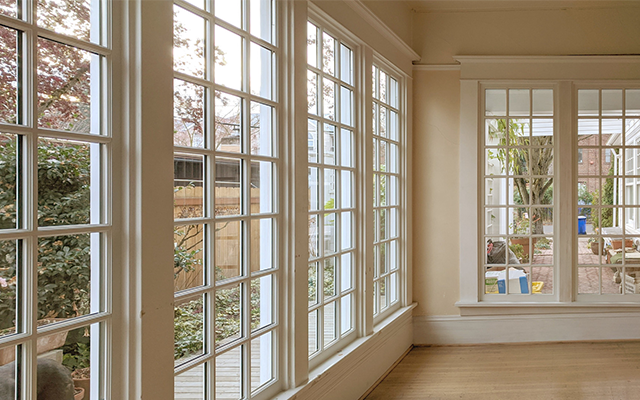
The Canadian aluminum window market is segmented by application, with commercial and high-end residential sectors leading demand. In the commercial sector, aluminum windows are widely used in office buildings, retail spaces, schools, and healthcare facilities. Their strength-to-weight ratio allows for large, floor-to-ceiling windows that maximize natural light and provide unobstructed views, a key feature in modern commercial architecture. Additionally, aluminum windows are easy to maintain, a critical factor for commercial property owners who need cost-effective, long-lasting solutions. In the residential sector, aluminum windows are popular in high-end homes, where design flexibility and durability are prioritized. They are also used in multi-unit residential buildings, such as apartments and condos, due to their fire resistance and ability to meet strict building codes.
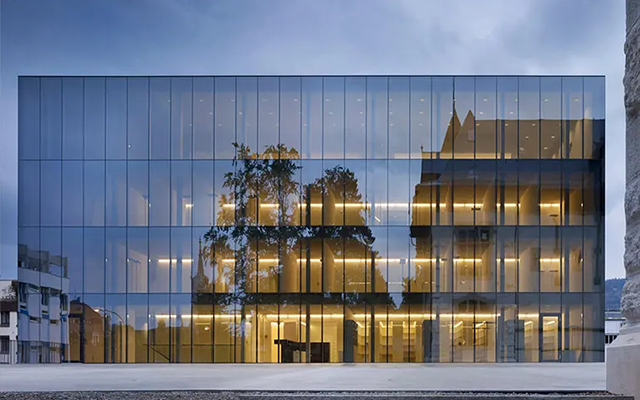
Design trends in the Canadian aluminum window market are shifting toward modern, minimalist aesthetics, with slim profiles and large glass areas becoming increasingly popular. Black and dark gray aluminum frames are a top choice, offering a sleek, sophisticated look that complements contemporary home designs. Additionally, customization options are on the rise, with manufacturers offering a wide range of colors, finishes, and hardware to match individual preferences. In commercial buildings, curtain wall systems (which use aluminum frames) are increasingly popular, providing a seamless, modern look and maximizing natural light. In residential homes, sliding and casement aluminum windows are common, offering excellent ventilation and unobstructed views.
Sustainability is an increasingly important trend in the Canadian aluminum window market. Aluminum is 100% recyclable with no loss of quality, making it a sustainable choice for environmentally conscious consumers and businesses. Many Canadian aluminum window manufacturers use recycled aluminum in their products, reducing the environmental impact of production. Additionally, aluminum windows contribute to sustainable building practices by improving energy efficiency, reducing carbon emissions, and enhancing indoor air quality. Green building certifications, such as LEED Canada and BREEAM Canada, often reward the use of energy-efficient aluminum windows, further driving demand in the market.
Despite its many advantages, the Canadian aluminum window market faces some challenges. One of the primary challenges is competition from vinyl windows, which are more affordable and dominate the residential market. Vinyl windows are often perceived as more energy-efficient, although modern aluminum windows with thermal break technology are now comparable in terms of energy performance. Additionally, the cost of aluminum can fluctuate, affecting manufacturing costs and product prices. However, aluminum’s durability, design flexibility, and fire resistance make it a preferred choice for commercial and high-end residential applications.
Looking ahead, the Canadian aluminum window market is expected to grow, driven by several key trends. The push toward net-zero energy buildings will drive demand for highly energy-efficient aluminum windows, with further innovations in thermal break technology and glazing. The growing popularity of modern, minimalist architecture will continue to drive demand for slimline aluminum profiles and large glass areas. Additionally, the renovation of older buildings, particularly in urban areas, will create sustained demand for replacement aluminum windows that meet modern energy and safety standards. With its ability to adapt to Canada’s harsh climate and meet the evolving needs of consumers and architects, aluminum is likely to remain a key material in the Canadian window market for years to come.







 CN
CN