




Time:2026-04-13 Views:0
Aluminum windows have long been a staple in the United States construction industry, valued for their durability, versatility, and adaptability to the country’s diverse climate conditions—from the frigid winters of the Northern Plains to the hot, humid summers of the Southeast and the arid heat of the Southwest. As a material, aluminum offers unique advantages that align with the U.S. market’s priorities, including energy efficiency, low maintenance, and design flexibility, making it a preferred choice for both residential and commercial buildings. Over the past decade, the U.S. aluminum window market has evolved significantly, driven by advancing technology, stringent energy regulations, shifting consumer preferences, and a booming construction sector. This article explores the current state of aluminum windows in the USA, including market dynamics, key trends, regulatory frameworks, popular designs, and future outlook.
The U.S. aluminum window market is one of the largest in the world, with robust growth projected in the coming years. According to Allied Market Research, the U.S. aluminum door and window market was valued at $10.79 billion in 2024 and is estimated to reach $14.79 billion by 2034, exhibiting a compound annual growth rate (CAGR) of 3.1% from 2025 to 2034. This growth is fueled by several key factors, including the increasing demand for energy-efficient and sustainable building materials, rising urbanization, a surge in residential and commercial construction activities, and advancements in architectural trends favoring modern aesthetics. Additionally, the growing number of home remodeling projects and the integration of smart home technologies into aluminum windows have further boosted market expansion.
Energy efficiency is a top priority in the U.S. aluminum window market, driven by federal and state-level regulations aimed at reducing energy consumption and carbon emissions. The U.S. Department of Energy (DOE) sets minimum energy efficiency standards for windows, which vary by climate zone. Aluminum windows, once criticized for their high thermal conductivity, have evolved with the introduction of thermal break technology. Thermal break aluminum frames feature a non-conductive material (such as polyamide) inserted between the interior and exterior aluminum profiles, significantly reducing heat transfer and improving insulation. This technology has made aluminum windows competitive with other materials like vinyl and wood in terms of energy performance, especially in regions with extreme temperatures.
In addition to thermal break technology, low-emissivity (Low-E) glass is a common feature in U.S. aluminum windows. Low-E glass has a thin, invisible coating that reflects infrared heat, keeping homes cooler in summer and warmer in winter while allowing natural light to pass through. When combined with double or triple glazing and inert gas fills (such as argon or krypton), these windows achieve impressive U-values (a measure of heat transfer) and Solar Heat Gain Coefficients (SHGC), meeting or exceeding DOE standards. Many aluminum windows in the U.S. also carry Energy Star certification, a voluntary program that identifies energy-efficient products, helping consumers make informed choices and qualify for tax incentives in some states.
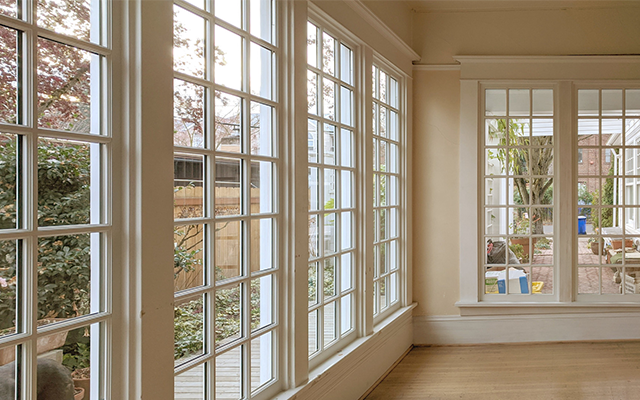
The U.S. aluminum window market is segmented by application, with residential and commercial sectors both contributing significantly to growth. In the residential sector, aluminum windows are popular in new construction and remodeling projects, particularly in regions with harsh weather conditions. For example, in coastal areas like Florida and California, aluminum’s corrosion resistance makes it ideal for withstanding saltwater exposure, while in northern states like Minnesota and Alaska, thermal break aluminum windows provide the necessary insulation to combat freezing temperatures. Residential aluminum windows are available in a variety of styles, including casement, double-hung, sliding, and awning, catering to different architectural preferences—from modern minimalist homes to traditional colonial-style properties.
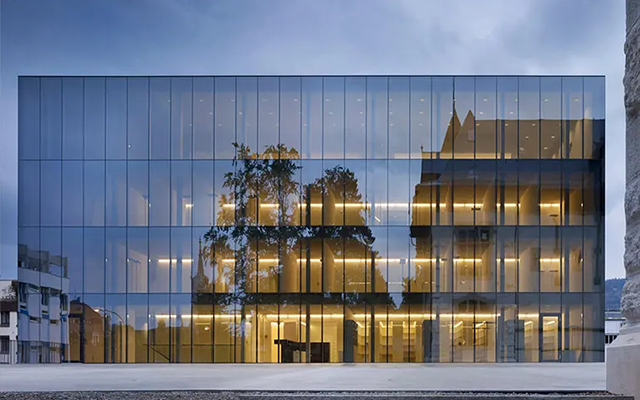
The commercial sector is another major driver of aluminum window demand in the USA. Commercial buildings, such as office towers, retail spaces, schools, and healthcare facilities, often rely on aluminum windows for their durability, large glass area capabilities, and ability to meet strict building codes. Aluminum’s strength-to-weight ratio allows for the creation of large, floor-to-ceiling windows that maximize natural light and provide unobstructed views, a key feature in modern commercial architecture. Additionally, aluminum windows are easy to maintain, a critical factor for commercial property owners who need cost-effective, long-lasting solutions. According to 360 Research Reports, aluminum windows account for approximately 31% of the U.S. window frame material share, with over 2.8 million units installed in new constructions and 1.7 million units in renovation projects annually.
Regulatory compliance is a key consideration for aluminum window manufacturers and installers in the USA. In addition to DOE energy standards, the International Building Code (IBC) and International Residential Code (IRC) set requirements for window safety, structural integrity, and fire resistance. For example, windows in high-rise buildings must meet wind load requirements to withstand strong winds, while windows in areas prone to hurricanes (such as the Gulf Coast and Atlantic Coast) must be impact-resistant, able to withstand flying debris. Many aluminum window manufacturers offer impact-resistant options, featuring reinforced frames and laminated glass, to comply with these regional codes.
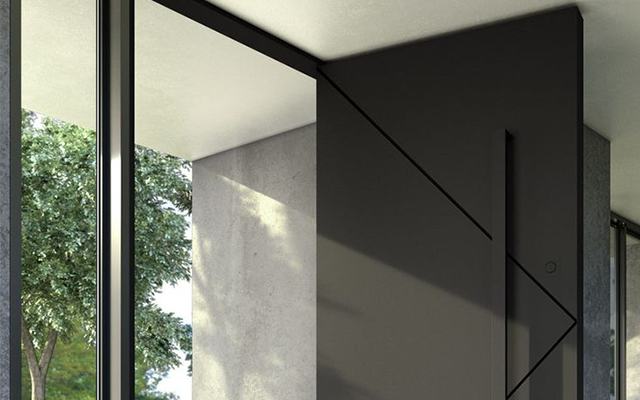
Design trends in the U.S. aluminum window market are shifting toward modern, minimalist aesthetics, with slim profiles and large glass areas becoming increasingly popular. Consumers and architects are drawn to the clean, sleek look of aluminum frames, which complement contemporary home designs and allow for more natural light. Black and dark gray aluminum frames have become a top choice, replacing traditional white frames for a more sophisticated appearance. Additionally, customization options are on the rise, with manufacturers offering a wide range of colors, finishes (such as anodized, powder-coated, or wood-clad), and hardware to match individual preferences. Smart window technology is also emerging as a trend, with 27% of premium aluminum windows integrating automated shading or sensor-based systems. These smart windows can be controlled remotely via smartphones or voice assistants, allowing users to adjust tint, open and close windows, and monitor energy usage.
Despite its many advantages, the U.S. aluminum window market faces some challenges. One of the primary challenges is the fluctuation in aluminum prices, influenced by supply chain disruptions, energy costs, and geopolitical factors, which can increase manufacturing costs and affect market growth. Additionally, competition from other materials, such as vinyl and fiberglass, remains strong, particularly in the residential sector where vinyl windows are often perceived as more affordable. However, aluminum’s durability, design flexibility, and improving energy efficiency are helping it maintain a strong market position.
Looking ahead, the U.S. aluminum window market is poised for continued growth, driven by several key trends. The push toward sustainable construction practices is expected to increase demand for aluminum windows, as aluminum is 100% recyclable with no loss of quality, aligning with green building certifications like LEED (Leadership in Energy and Environmental Design). The growing popularity of smart homes will also drive innovation in aluminum window technology, with more manufacturers integrating IoT sensors, automated controls, and energy-monitoring features. Additionally, the ongoing renovation of older buildings, particularly in urban areas, will create sustained demand for replacement aluminum windows that meet modern energy and safety standards. With its versatility, durability, and adaptability, aluminum is likely to remain a leading choice for windows in the USA for years to come.







 CN
CN