



Time:2026-06-05 Views:0
Australia’s unique climate—characterized by hot, dry summers, mild winters (in most regions), high UV radiation, and occasional extreme weather events like cyclones and bushfires—presents specific challenges for home windows. Homeowners in Australia need windows that are durable, energy-efficient, weather-resistant, and able to withstand the harsh Australian conditions. Aluminum windows have emerged as a popular choice for Australian homes, offering a perfect blend of performance, functionality, and design flexibility that is tailored to the country’s unique climate and lifestyle. From coastal homes exposed to salt air to inland properties facing extreme heat, aluminum windows are designed to meet the diverse needs of Australian homeowners, providing long-lasting reliability and comfort.
One of the primary reasons aluminum windows are ideal for Australian homes is their exceptional weather resistance. Australia’s climate varies significantly from region to region—coastal areas face high humidity, salt air, and strong winds, while inland areas experience extreme heat, high UV radiation, and occasional droughts. Aluminum is naturally resistant to rust, corrosion, and rot, making it ideal for coastal homes where salt air can damage other materials like wood or steel. Unlike wood windows, which can warp, crack, or rot when exposed to salt air and humidity, aluminum windows maintain their structural integrity and appearance even in the harshest coastal conditions. Additionally, aluminum frames can be treated with specialized coatings, such as powder coating or anodizing, which further enhance their resistance to salt corrosion, UV radiation, and extreme temperatures. This makes aluminum windows a durable choice for coastal homes, where maintenance and longevity are key concerns.
For inland Australian homes, which face extreme heat and high UV radiation, aluminum windows offer superior heat resistance and UV protection. Aluminum frames are heat-resistant and do not expand or contract significantly in extreme temperatures, ensuring that the windows remain functional and secure even during the hottest summer days. Additionally, aluminum windows can be paired with high-performance glass, such as low-E glass or tinted glass, which reduces UV radiation and glare, keeping the interior of the home cool and protected. Low-E glass reflects UV radiation and infrared heat, preventing the interior from overheating and reducing the need for air conditioning. This is particularly important in inland regions like the Outback, where summer temperatures can exceed 40°C (104°F). By reducing heat gain and UV exposure, aluminum windows help create a more comfortable interior environment and lower energy costs.
Energy efficiency is another key consideration for Australian homes, as the country’s hot summers and mild winters require windows that can keep the home cool in summer and warm in winter. Aluminum windows, when equipped with thermal break technology and double glazing, offer excellent energy efficiency. Thermal breaks—insulated strips inserted between the interior and exterior aluminum frames—prevent heat transfer, keeping the interior cool in summer and warm in winter. Double glazing, which consists of two panes of glass separated by a sealed gas-filled cavity, further enhances insulation, reducing heat gain in summer and heat loss in winter. This combination of thermal breaks and double glazing helps Australian homeowners reduce their energy consumption and utility bills, making aluminum windows a cost-effective and sustainable choice. Additionally, many aluminum windows meet Australia’s strict energy efficiency standards, such as the Nationwide House Energy Rating Scheme (NatHERS), ensuring that they contribute to a more energy-efficient home.
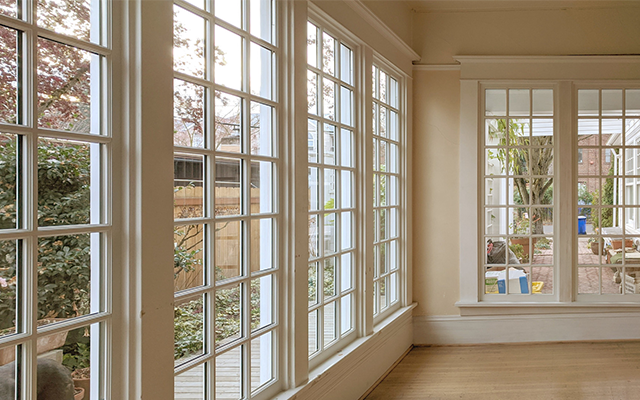
Design versatility is another advantage of aluminum windows for Australian homes. Australia’s architectural styles are diverse, ranging from modern beach houses and contemporary urban homes to traditional federation-style properties and rural cottages. Aluminum windows can be customized to complement any architectural style, with a wide range of colors, finishes, and styles available. Aluminum frames can be powder-coated in neutral tones like white, black, or gray, or in bold, vibrant colors to match the home’s exterior. They are also available in a variety of styles, including casement, awning, sliding, hung, and fixed windows, making them suitable for any room or application. For example, sliding aluminum windows are popular in beach houses, as they provide unobstructed views of the ocean and easy access to outdoor spaces. Awning aluminum windows are ideal for bathrooms and kitchens, as they allow for ventilation while keeping rain out. Casement aluminum windows are a popular choice for contemporary homes, offering a sleek, modern look and excellent ventilation.
Low maintenance is another key benefit of aluminum windows for Australian homeowners. Australia’s busy lifestyle means that homeowners often have limited time for home maintenance, and aluminum windows require minimal upkeep. Unlike wood windows, which need regular painting, staining, or sealing to maintain their appearance and structural integrity, aluminum windows only need occasional cleaning with soap and water to keep them looking like new. Aluminum is resistant to pests, rot, and corrosion, so it does not require any special treatments or maintenance to prevent damage. This low-maintenance nature makes aluminum windows a practical choice for Australian homes, particularly for busy families or homeowners who live in remote areas where maintenance services may be limited.
Safety is also an important consideration for Australian homes, particularly in regions prone to extreme weather events like cyclones and bushfires. Aluminum windows are designed to be strong and impact-resistant, able to withstand the force of strong winds, flying debris, and even bushfire embers. Many aluminum windows meet Australia’s strict cyclone safety standards, such as the Building Code of Australia (BCA) requirements for cyclone-prone regions. These windows are reinforced with stronger frames, thicker glass, and secure locking systems, ensuring that they can withstand cyclonic winds and prevent water penetration. Additionally, aluminum windows can be equipped with fire-resistant glass, which helps protect the home from bushfire embers and heat, making them a safe choice for homes in bushfire-prone areas.
Another advantage of aluminum windows for Australian homes is their compatibility with outdoor living spaces. Australians love spending time outdoors, and many homes feature patios, decks, and verandas. Aluminum windows can be designed to seamlessly integrate with these outdoor spaces, with sliding or folding aluminum windows that open up to the patio or deck, creating a seamless indoor-outdoor flow. This not only enhances the living space but also allows for natural ventilation and light, making the home feel more open and inviting. Additionally, aluminum frames are slim and sleek, maximizing the glass area and providing unobstructed views of the outdoor environment, which is particularly important for homes with beautiful garden or ocean views.
When selecting aluminum windows for Australian homes, there are several key factors to consider, depending on the region. For coastal homes, it is important to choose aluminum windows with specialized corrosion-resistant coatings, such as powder coating or anodizing, to withstand salt air. For inland homes, windows with low-E glass and double glazing are recommended to reduce heat gain and UV exposure. For homes in cyclone-prone regions, windows must meet the BCA’s cyclone safety standards, with reinforced frames and impact-resistant glass. Additionally, the style of the window should complement the home’s architecture, and the color and finish should match the exterior design. Working with a local window installer who is familiar with Australia’s climate and building codes can help ensure that the windows are properly selected and installed, maximizing their performance and longevity.
Real-world examples of aluminum windows in Australian homes are abundant. Coastal homes in Queensland and New South Wales often use aluminum sliding windows to take advantage of the ocean views and breezes, while inland homes in Victoria and South Australia use aluminum casement windows with double glazing to keep cool in summer. Federation-style homes in Western Australia often feature aluminum windows with traditional designs, such as sash windows, which are customized to match the home’s heritage aesthetic. In each case, aluminum windows deliver the performance and functionality required for Australia’s unique climate, while enhancing the home’s overall design and comfort.
In conclusion, aluminum windows are an ideal choice for Australian homes, offering a unique combination of weather resistance, energy efficiency, design versatility, low maintenance, and safety. Their ability to withstand Australia’s harsh climate—from salt air and extreme heat to cyclones and bushfires—makes them a durable and reliable choice for homeowners. Whether used in coastal, inland, or rural homes, aluminum windows can be customized to meet the specific needs of the region and the home’s architecture. With their sleek design, low maintenance requirements, and energy-efficient features, aluminum windows are a smart investment for any Australian home, helping to create a comfortable, sustainable, and beautiful living environment.







 CN
CN