




Time:2026-06-02 Views:0
Coastal areas are renowned for their stunning views, fresh sea air, and unique lifestyle—but they also present significant challenges for building materials, particularly windows. The harsh coastal environment, characterized by high salt levels, humidity, strong winds, and corrosive salt spray, can quickly degrade ordinary windows, leading to premature failure, costly repairs, and a loss of aesthetic appeal. Aluminum windows have emerged as the ideal solution for coastal homes and buildings, thanks to their inherent resistance to corrosion, durability, and ability to withstand the extreme conditions of coastal environments. Unlike wooden, vinyl, or steel windows, which are prone to rust, rot, or warping in salt-rich air, aluminum windows are engineered to thrive in coastal settings, providing long-lasting performance, energy efficiency, and aesthetic versatility.
The primary challenge that coastal windows face is corrosion caused by salt spray. Salt air contains fine aerosols of sodium chloride, magnesium chloride, and other sea salts that are carried inland by wind, even for miles from the ocean. These salt particles settle on window frames, hardware, and glass, and when combined with humidity, create a corrosive environment that can damage most materials. Aluminum, however, has a natural advantage in this regard: it forms a thin, protective oxide layer on its surface when exposed to air, which prevents further corrosion. This oxide layer acts as a barrier, shielding the underlying aluminum from the harmful effects of salt and moisture. Unlike steel, which rusts and deteriorates when exposed to salt, aluminum does not rust—instead, it may develop a slight pitting corrosion in extreme cases, but this is typically superficial and does not compromise the structural integrity of the window frame.
To enhance their corrosion resistance even further, aluminum windows for coastal areas are often treated with specialized finishes and coatings. The most common and effective finishes for coastal aluminum windows are anodizing and powder coating. Anodizing is an electrochemical process that thickens the natural oxide layer on the aluminum surface, making it more resistant to corrosion, scratches, and fading. Anodized aluminum windows are available in a range of colors, including natural silver, bronze, black, and gold, and they retain their color and finish for decades, even in harsh coastal conditions. Powder coating, on the other hand, involves applying a dry powder to the aluminum frame and curing it at high temperatures to create a durable, protective layer. Powder-coated finishes are available in an extensive range of colors and textures, including matte, gloss, and metallic, and they provide excellent resistance to salt spray, UV radiation, and moisture. Premium finishes like Kynar/PVDF coatings are particularly recommended for coastal areas, as they offer 25+ years of color retention and corrosion resistance, making them ideal for homes and buildings near the ocean.
Another critical factor for coastal aluminum windows is the choice of aluminum alloy. Not all aluminum alloys are equally suited for coastal environments—some are more resistant to corrosion than others. The most commonly used alloy for coastal aluminum windows is 6063-T5, which is a heat-treated alloy containing magnesium and silicon. This alloy offers excellent corrosion resistance, strength, and formability, making it ideal for window frames. 6063-T5 aluminum is resistant to pitting corrosion caused by salt spray, and it maintains its structural integrity even in extreme temperature fluctuations, which are common in coastal areas (from hot, humid summers to cool, windy winters). When selecting aluminum windows for coastal use, it is important to verify that the frames are made from 6063-T5 or a similar corrosion-resistant alloy, as cheaper, lower-quality alloys may not withstand the coastal environment.
Hardware is another crucial component of coastal aluminum windows, as it is often the first part to corrode if not properly selected. Standard hardware made from steel or zinc-plated steel is prone to galvanic corrosion when exposed to salt air and aluminum. Galvanic corrosion occurs when two dissimilar metals (such as aluminum and steel) come into contact in the presence of moisture, creating a tiny electrical current that causes the more chemically active metal (aluminum) to dissolve. To prevent this, coastal aluminum windows should use marine-grade hardware made from stainless steel (preferably 316 stainless steel) or brass. Stainless steel hardware is highly resistant to corrosion, even in salt-rich environments, and it will not react with aluminum, ensuring the long-term functionality of the window. This includes hinges, handles, locks, and fasteners—all of which should be marine-grade to avoid premature failure.
Wind resistance is another key consideration for coastal aluminum windows, as coastal areas are often subject to strong winds, tropical storms, and hurricanes. Aluminum windows are inherently strong and rigid, making them capable of withstanding high wind loads. However, coastal windows must be designed and tested to meet specific wind resistance standards, such as those set by the American Architectural Manufacturers Association (AAMA) or the National Fenestration Rating Council (NFRC). These standards ensure that the windows can withstand the pressure and impact of strong winds without breaking or becoming dislodged. Additionally, coastal aluminum windows should have reinforced frames and sashes, as well as impact-resistant glass (such as tempered or laminated glass) to protect against flying debris during storms. Impact-resistant glass is designed to remain intact even when struck, preventing water and wind from entering the home and reducing the risk of injury.
Energy efficiency is also important for coastal aluminum windows, as coastal homes often face extreme temperatures—hot, humid summers and cool, windy winters. Aluminum windows, when paired with energy-efficient glass options like double glazing, triple glazing, or low-E glass, provide excellent insulation. Double glazing with argon gas filling helps to reduce heat transfer, keeping the home cool in summer and warm in winter. Low-E glass reflects infrared heat, preventing the sun’s rays from heating the interior of the home while still allowing natural light to pass through. This not only improves the comfort of the home but also reduces energy bills by lowering the need for air conditioning and heating. Additionally, airtight seals are essential for coastal windows to prevent drafts and air leaks, which can compromise energy efficiency and allow salt air to enter the home.
Maintenance is a key advantage of aluminum windows for coastal areas, as they require minimal upkeep compared to other window materials. Unlike wooden windows, which need to be painted or stained regularly to prevent rot and decay, aluminum windows do not require painting or staining. A simple quarterly cleaning with fresh water to rinse off salt buildup, followed by a wipe with a damp cloth, is sufficient to keep them looking new. It is also important to inspect the window seals and hardware annually to ensure they are in good condition, and to clear weep holes of salt buildup to prevent water damage. With proper maintenance, aluminum windows for coastal areas can last 30 years or more, making them a cost-effective investment in the long run.
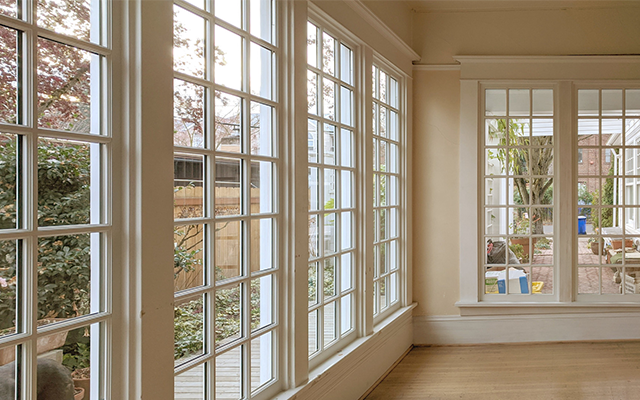
Aesthetic versatility is another benefit of aluminum windows for coastal homes. Coastal homes often have a relaxed, beachy aesthetic, and aluminum windows can be customized to match this style. They are available in a range of colors, including white, beige, blue, and gray, which complement the coastal environment. Slim frames and large glass panels maximize natural light and provide unobstructed views of the ocean, beach, or surrounding landscape, enhancing the overall beauty of the home. Additionally, aluminum windows can be designed in various styles, including fixed, casement, sliding, and awning, allowing homeowners to choose the style that best suits their needs and preferences. For example, casement windows are ideal for maximizing ventilation, while sliding windows are space-saving and easy to operate. Fixed windows are perfect for framing views and maximizing natural light.
When selecting aluminum windows for a coastal home, there are several important factors to consider. First, choose a reputable manufacturer that specializes in coastal windows and uses high-quality materials, including corrosion-resistant alloys, marine-grade hardware, and premium finishes. Second, ensure that the windows meet local building codes and wind resistance standards, particularly if you live in a hurricane-prone area. Third, select energy-efficient glass options to improve comfort and reduce energy bills. Fourth, consider the style of the window and how it will complement the design of your home. Finally, invest in professional installation to ensure that the windows are properly sealed and aligned, maximizing their performance and durability.
In conclusion, aluminum windows are the perfect choice for coastal areas, offering superior corrosion resistance, durability, wind resistance, energy efficiency, and aesthetic versatility. Their ability to withstand the harsh coastal environment—including salt spray, strong winds, and humidity—makes them a reliable and long-lasting option for coastal homes and buildings. With proper selection, installation, and maintenance, aluminum windows can enhance the beauty, comfort, and value of your coastal home, allowing you to enjoy the stunning views and relaxed lifestyle of coastal living without the worry of premature window failure. Whether you are building a new home or renovating an existing one, aluminum windows are a wise investment that will serve you well for decades to come.







 CN
CN