




Time:2026-06-18 Views:0
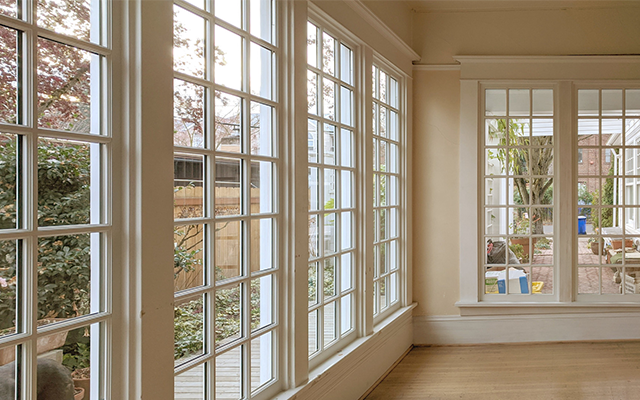
Aluminum casement windows with integrated ventilation fans are a practical and innovative window solution that combines the functionality of casement windows with the benefits of built-in ventilation, making them ideal for spaces where air circulation, moisture control, and fresh air are essential. Casement windows are known for their excellent ventilation capabilities, as they swing open outward or inward, allowing for maximum airflow. By integrating a ventilation fan directly into the aluminum casement window frame, homeowners and designers can create a seamless and efficient ventilation system that removes stale air, moisture, and odors, while also providing natural light and unobstructed views. This type of window is particularly popular in bathrooms, kitchens, laundry rooms, and other areas where moisture buildup or poor air circulation is a common problem. In this comprehensive guide, we will explore the key features, benefits, design variations, installation considerations, and maintenance tips for aluminum casement windows with ventilation fans, helping you understand why they are a valuable addition to any home or commercial space.
One of the primary advantages of aluminum casement windows with ventilation fans is their efficient ventilation capabilities. Casement windows are designed to swing open fully, allowing for maximum airflow into the room. When combined with an integrated ventilation fan, this creates a powerful ventilation system that can quickly remove stale air, moisture, and odors, improving indoor air quality and preventing the buildup of mold and mildew. This is particularly important in bathrooms, where hot showers and baths generate large amounts of moisture, which can lead to mold growth, water damage, and unpleasant odors. The ventilation fan works to expel moist air outside, while the casement window can be opened to bring in fresh air, creating a balanced and healthy indoor environment.
Aluminum frames are an ideal choice for casement windows with ventilation fans, as they are strong, durable, and can be easily customized to accommodate the fan unit. Aluminum is a lightweight yet robust material that can withstand the weight of the fan and the forces exerted by the casement window’s opening and closing mechanism. Additionally, aluminum frames are corrosion-resistant, able to withstand harsh weather conditions, including extreme temperatures, humidity, and UV radiation, making them suitable for both interior and exterior use. The slim profile of aluminum frames also ensures that the integrated fan unit does not add bulk to the window, maintaining a sleek and unobtrusive appearance.
Another key benefit of aluminum casement windows with ventilation fans is their space-saving design. By integrating the ventilation fan directly into the window frame, there is no need for separate installation of a standalone fan, which can take up valuable wall space. This is particularly beneficial in small spaces, such as small bathrooms or kitchens, where wall space is limited. The integrated design also creates a clean and streamlined look, eliminating the need for unsightly fan units and ductwork that can detract from the room’s decor. Additionally, the fan is positioned to expel air directly outside through the window, reducing the need for long duct runs, which can improve the fan’s efficiency and reduce noise.
When it comes to design variations, aluminum casement windows with ventilation fans offer a wide range of options to suit different design styles and functional needs. The casement window can be designed to swing outward or inward, depending on the room’s layout and the desired airflow direction. Outward-swinging casement windows are more common, as they do not take up interior space when opened and allow for maximum airflow. Inward-swinging casement windows are ideal for areas where exterior space is limited, such as balconies or narrow walkways.
The ventilation fan can be integrated into different parts of the window frame, including the top, bottom, or side of the casement panel. Top-mounted fans are the most common, as they expel hot, moist air (which rises) more efficiently. Bottom-mounted fans are less common but can be used in areas where cool air needs to be drawn in from the bottom. Side-mounted fans are a good option for narrow windows, where there is limited space at the top or bottom. The fan unit can also be customized in terms of size and power, depending on the room’s size and ventilation needs. For example, a small bathroom may require a 50 CFM (cubic feet per minute) fan, while a larger kitchen may require a 100 CFM or more fan.
Aluminum casement windows with ventilation fans are available in a variety of sizes, from small windows for bathrooms or laundry rooms to larger windows for kitchens or home offices. The size of the window and the fan unit should be chosen based on the room’s square footage and ventilation requirements. A general rule of thumb is that the fan should be able to exchange the room’s air at least eight times per hour for bathrooms and six times per hour for kitchens. The casement window’s size should also be sufficient to allow for adequate natural light and airflow when the window is open.
Customization options for aluminum casement windows with ventilation fans are abundant, allowing homeowners and designers to tailor the windows to their specific needs and preferences. Color customization is available for the aluminum frame, with a wide range of standard and custom colors, including white, black, gray, brown, and metallic finishes. The fan unit can also be painted or finished to match the frame, ensuring a cohesive look. Additionally, the window glass can be customized based on privacy, energy efficiency, and aesthetic preferences. Clear glass is the most common option, providing unobstructed views and maximum natural light. Frosted glass is a great choice for bathrooms, as it diffuses light while maintaining privacy. Tinted glass is another option, which reduces glare and UV radiation, making it ideal for kitchens that receive direct sunlight. Double-glazed or triple-glazed glass can be used to enhance energy efficiency, as they trap air between the glass panes, providing better insulation and reducing heating and cooling costs.
Energy efficiency is a key consideration for modern windows, and aluminum casement windows with ventilation fans are no exception. Aluminum frames can be thermally broken, which means they are equipped with a thermal barrier (usually made of plastic or foam) that prevents heat transfer between the interior and exterior of the building. This helps to keep the interior cool in summer and warm in winter, reducing energy consumption and lowering heating and cooling costs. Additionally, the casement window’s tight seal when closed prevents air and water leakage, further enhancing energy efficiency. The ventilation fan can also be equipped with energy-efficient features, such as low-power motors and variable speed settings, which reduce energy usage while still providing effective ventilation.
Noise reduction is another important benefit of aluminum casement windows with ventilation fans. The tight seal of the casement window when closed helps to reduce outdoor noise, creating a quieter indoor environment. Additionally, the fan unit can be designed with noise-reducing features, such as insulated housing and quiet motors, which minimize the noise generated by the fan. This is particularly important in bedrooms or home offices, where noise can be a distraction.
Installation considerations for aluminum casement windows with ventilation fans include proper sizing, fan placement, ductwork, and electrical wiring. The window opening must be measured accurately to ensure that the window fits properly, with no gaps or spaces. The fan unit must be installed correctly in the window frame, with proper sealing to prevent air and water leakage. The ductwork should be installed to expel air directly outside, avoiding long runs that can reduce fan efficiency. Electrical wiring must be done by a professional to ensure safety and compliance with building codes. Additionally, the casement window’s opening mechanism must be properly installed to ensure smooth operation, and the fan should be wired to a switch that is easily accessible, such as a wall switch or a pull cord.
Maintenance of aluminum casement windows with ventilation fans is relatively simple, but it is important to follow the manufacturer’s instructions to ensure the longevity and performance of the window and fan. The aluminum frame can be cleaned with a mild detergent and water, using a soft cloth to avoid scratching the finish. The fan unit should be cleaned regularly to remove dust, dirt, and debris, which can accumulate on the fan blades and reduce efficiency. The fan filter (if equipped) should be replaced or cleaned periodically to ensure proper airflow. The casement window’s hinges and opening mechanism should be lubricated occasionally to ensure smooth operation. Additionally, the ductwork should be inspected periodically to ensure that it is not blocked or damaged, which can affect the fan’s performance.
In terms of applications, aluminum casement windows with ventilation fans are ideal for a wide range of residential and commercial spaces. In residential homes, they are commonly used in bathrooms, kitchens, laundry rooms, and home offices. In bathrooms, they provide essential ventilation to remove moisture and prevent mold growth. In kitchens, they expel cooking odors, smoke, and heat, improving indoor air quality. In laundry rooms, they remove moisture and odors from washing and drying clothes. In commercial settings, such as restaurants, hotels, and offices, they are used to provide ventilation in kitchens, restrooms, and other areas where air circulation is essential.
When choosing aluminum casement windows with ventilation fans, there are several factors to consider. First, the room’s size and ventilation needs: the fan’s CFM rating should be appropriate for the room’s square footage. Second, the window style: outward or inward swinging, based on the room’s layout and exterior space. Third, the fan placement: top, bottom, or side, based on the room’s airflow needs. Fourth, the glass type: clear, frosted, tinted, or double-glazed, based on privacy, energy efficiency, and aesthetic preferences. Fifth, the frame color and finish: to match the interior decor of the room. Sixth, the fan’s noise level: choose a fan with a low noise rating for quiet spaces. Seventh, the budget: aluminum casement windows with ventilation fans vary in price depending on the size, design, glass type, and fan unit, so it is important to set a budget and choose options that fit within it.
In conclusion, aluminum casement windows with ventilation fans are a practical and innovative window solution that combines the benefits of casement windows with integrated ventilation. They provide efficient air circulation, moisture control, and fresh air, while also offering natural light, unobstructed views, and a sleek, space-saving design. With their durability, energy efficiency, and easy maintenance, they are an ideal choice for both residential and commercial spaces. Whether you are looking to improve ventilation in your bathroom, expel cooking odors from your kitchen, or create a healthier indoor environment in your home office, aluminum casement windows with ventilation fans are a valuable addition that will enhance the functionality and comfort of your space for years to come.







 CN
CN