




Time:2026-05-25 Views:0
Balconies are a valuable addition to any home, offering a space to relax, entertain, and enjoy outdoor views. The windows that separate the balcony from the interior of the home play a crucial role in enhancing the functionality and aesthetics of both spaces. Aluminum sliding windows are an excellent choice for balconies, thanks to their space-saving design, ease of operation, durability, and energy efficiency. Unlike casement or awning windows, which open outward or inward, sliding windows slide horizontally along a track, making them ideal for balconies where space is limited. This comprehensive guide will explore everything you need to know about aluminum sliding windows for balconies, including their features, benefits, types, installation, maintenance, and tips for choosing the right one for your balcony.
First, let’s take a closer look at the key features of aluminum sliding windows for balconies. The main component is the aluminum frame, which is known for its strength, durability, and resistance to corrosion. Aluminum frames are lightweight yet sturdy, making them easy to install and capable of withstanding extreme weather conditions, such as heavy rain, strong winds, and intense sunlight. Unlike wood frames, aluminum frames do not rot, warp, or require regular painting to maintain their appearance. The sliding sashes are typically made of aluminum and glass, and slide along a track installed at the top and bottom of the frame. The track is designed to ensure smooth, easy operation, even with large sashes. Many aluminum sliding windows for balconies also come with a mesh screen, which can be installed on the interior or exterior to keep out insects while allowing fresh air to circulate.
One of the primary benefits of aluminum sliding windows for balconies is their space-saving design. Because the sashes slide horizontally, they do not take up any space inside or outside the balcony, making them ideal for small balconies or balconies with limited space. This is a significant advantage over casement windows, which open outward and can block the balcony space, or awning windows, which open upward and may interfere with overhead structures. The sliding design also allows for easy access to the balcony, as the sashes can be opened fully to create a wide opening, making it easy to move furniture or other items between the interior and balcony.
Another major benefit of aluminum sliding windows for balconies is their ease of operation. The sashes slide smoothly along the track with minimal effort, making them easy to open and close, even for children or elderly individuals. Unlike crank-operated windows, which can become jammed or difficult to operate over time, sliding windows have fewer moving parts, reducing the risk of mechanical failure. Many aluminum sliding windows also come with handles or pulls that make it easy to grip and slide the sashes. Additionally, the sliding design allows for partial opening, so you can control the amount of fresh air entering the home without fully opening the window.
Aluminum sliding windows for balconies are also highly energy efficient. Aluminum frames can be equipped with thermal breaks, which are insulation strips placed between the interior and exterior parts of the frame. These thermal breaks help prevent heat transfer, keeping your home warm in the winter and cool in the summer. When combined with double or triple glazing and Low-E glass, aluminum sliding windows can significantly reduce energy costs by minimizing heat loss and gain. The tight seal created when the sashes are closed also helps prevent air leaks, further improving energy efficiency. This is particularly important for balconies, which are often exposed to the elements and can be a source of heat loss or gain if not properly insulated.
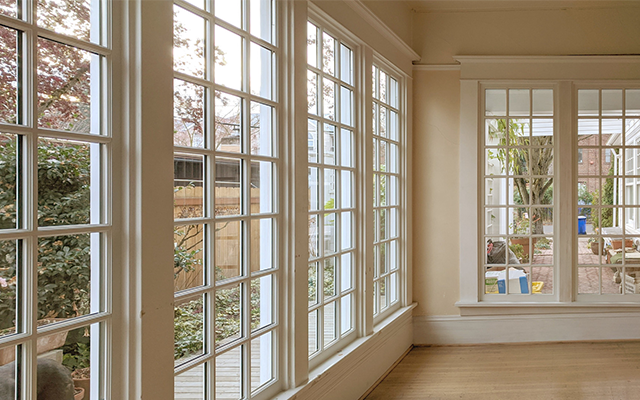
Aesthetics is another important benefit of aluminum sliding windows for balconies. Aluminum frames are available in a wide range of colors and finishes, including white, black, gray, brown, and custom colors, allowing you to match them to your home’s exterior and interior design. The sleek, modern design of sliding windows complements a wide range of architectural styles, from contemporary to traditional. The large glass panes of sliding windows also provide unobstructed views of the balcony and the surrounding area, enhancing the visual appeal of both the interior and exterior of your home. Additionally, the mesh screen can be chosen in a color that blends seamlessly with the frame, ensuring it does not detract from the window’s appearance.
There are several types of aluminum sliding windows for balconies to choose from, depending on your needs and preferences. Single sliding windows feature one movable sash and one fixed sash, with the movable sash sliding along the track to open. This is the most common type of sliding window and is ideal for small to medium-sized balconies. Double sliding windows feature two movable sashes that slide past each other, allowing for maximum ventilation and a wide opening. This type of window is ideal for larger balconies or for homeowners who want to maximize the amount of fresh air entering the home. Triple sliding windows feature three sashes, with two movable sashes and one fixed sash, providing even more flexibility in terms of ventilation and opening size. Additionally, there are sliding windows with built-in blinds or shades, which can be installed between the glass panes for added privacy and light control.
When choosing aluminum sliding windows for your balcony, there are several factors to consider. First, determine the size of the window based on the size of your balcony and the opening in the wall. Measure the width and height of the rough opening to ensure the window fits properly. It’s important to choose a window that is large enough to provide unobstructed views and adequate ventilation, but not so large that it overwhelms the balcony. Second, consider the type of glazing. Double glazing is the most common choice for residential properties, as it provides a good balance of energy efficiency and cost. Triple glazing offers even better insulation but is more expensive. Low-E glass is another important feature to consider, as it reflects heat back into the home in the winter and blocks heat from entering in the summer, reducing energy costs.
You should also consider the type of mesh screen, if desired. Mesh screens are available in fiberglass, aluminum, or stainless steel, each with its own advantages. Fiberglass mesh is lightweight and easy to install, but may be less durable than aluminum or stainless steel. Aluminum mesh is more durable but can be prone to rust if not properly coated. Stainless steel mesh is the most durable and resistant to rust, but is also more expensive. The mesh screen should be sized to fit the window opening and should be easy to remove for cleaning.
Installation of aluminum sliding windows for balconies is a crucial step that should be done by a professional to ensure proper fit and functionality. The installation process typically involves measuring the rough opening, preparing the opening by cleaning and repairing any damage, and then placing the window into the opening. The window is secured in place with screws, and shims are used to ensure it is level and plumb. The gaps between the window frame and the rough opening are filled with insulation to prevent air and water leaks, and caulk is applied around the exterior and interior to seal the window. The track is then installed, and the sashes are placed on the track to ensure smooth operation. The mesh screen is installed last, either by sliding it into place or attaching it with screws or clips.
Proper maintenance is essential to keep your aluminum sliding windows for balconies in good condition and extend their lifespan. Regular maintenance tasks include cleaning the window glass and frame with a mild detergent and water. Avoid using harsh chemicals or abrasive cleaners, as they can damage the frame’s finish and the mesh screen. Inspect the track regularly for dirt, debris, or damage, and clean it with a soft brush or vacuum to ensure smooth operation. Lubricate the track and the rollers with a silicone-based lubricant to prevent friction and ensure the sashes slide smoothly. Check the hardware, such as handles and locks, for signs of wear or rust, and replace them if necessary. Inspect the mesh screen for tears or holes, and replace it if needed. Additionally, check the caulk and sealant around the window frame and replace it if it becomes cracked or worn to prevent air and water leaks.
In conclusion, aluminum sliding windows are an excellent choice for balconies, offering a space-saving design, ease of operation, energy efficiency, and aesthetic appeal. By understanding their features, benefits, types, installation, and maintenance requirements, you can make an informed decision when choosing aluminum sliding windows for your balcony. With the right window choice and proper care, your aluminum sliding windows will enhance the functionality and aesthetics of your balcony and provide years of reliable service.







 CN
CN