





Time:2026-06-17 Views:0
Aluminum sliding windows for patios have emerged as a beloved choice among homeowners and designers alike, offering a seamless blend of functionality, aesthetics, and practicality that transforms outdoor living spaces. Unlike traditional casement or double-hung windows, sliding patio windows operate by gliding horizontally along a track, eliminating the need for swing space and creating an unobstructed connection between indoor and outdoor areas. Crafted from high-quality aluminum, these windows leverage the material’s inherent strengths—lightweight construction, corrosion resistance, and design versatility—to deliver a solution that enhances the beauty and functionality of any patio, deck, or outdoor living area. In this detailed exploration, we will delve into the design features, benefits, customization options, installation considerations, and maintenance tips of aluminum sliding windows for patios, highlighting why they have become a staple in modern home design.
At the heart of aluminum sliding windows for patios is their unique sliding mechanism, which is designed to be smooth, effortless, and durable. The mechanism consists of two or more sashes (the movable glass panels) that slide horizontally along a precision-engineered track system. The track is typically made from aluminum or stainless steel, ensuring resistance to corrosion and wear, even in outdoor environments exposed to rain, sun, and temperature fluctuations. The sashes are equipped with high-quality rollers, which are usually made from nylon, stainless steel, or a combination of materials, allowing them to glide smoothly along the track with minimal friction. Many modern sliding windows feature adjustable rollers, which can be fine-tuned to ensure optimal performance and eliminate any sticking or binding.
The aluminum frame of these windows is a key component that contributes to their overall performance and longevity. Aluminum is an ideal material for patio windows because it is lightweight yet strong, making it easy to handle during installation while providing the structural support needed to hold large glass panels. Unlike wood, aluminum does not warp, rot, or succumb to insect damage, and unlike vinyl, it does not degrade under prolonged UV exposure. This makes aluminum sliding windows for patios particularly suitable for outdoor use, where they are exposed to the elements year-round. The frame profiles are typically extruded, allowing for precise shaping and the creation of sleek, modern designs that complement a wide range of architectural styles, from contemporary to traditional.
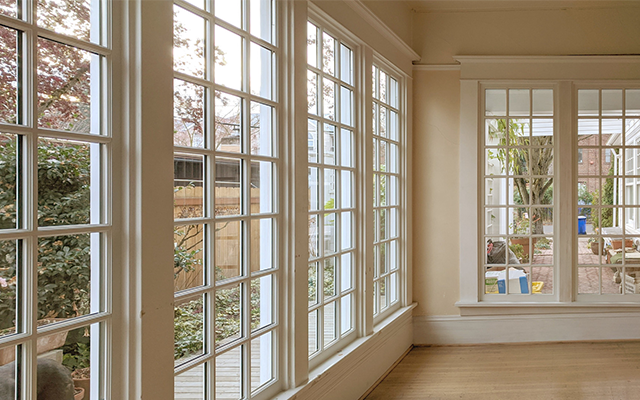
One of the most significant advantages of aluminum sliding windows for patios is their space-saving design. Unlike casement windows, which swing inward or outward, sliding windows do not require any additional space to operate, making them perfect for small patios, decks, or areas where furniture placement is limited. This space-saving feature also allows for larger glass panels, as the sliding mechanism does not interfere with the window’s width or height. Large glass panels maximize natural light, flooding the indoor space with sunlight and creating a bright, airy atmosphere. They also provide unobstructed views of the patio, garden, or surrounding landscape, blurring the line between indoor and outdoor living and enhancing the overall aesthetic appeal of the home.
Energy efficiency is another key benefit of aluminum sliding windows for patios, thanks to advancements in thermal insulation technology. Many modern aluminum sliding windows are equipped with thermal breaks, which are insulating strips made from low-conductivity materials such as polyamide. The thermal break is inserted between the interior and exterior sections of the frame, disrupting the thermal bridge that allows heat to transfer through the aluminum. This reduces heat loss in winter and heat gain in summer, lowering energy bills and improving indoor comfort. Additionally, the tight seals between the sashes and the frame minimize air leakage, further enhancing energy efficiency and reducing noise pollution from the outside. Double or triple glazing is also a common option for aluminum sliding patio windows, providing additional insulation and soundproofing.
Customization options are abundant for aluminum sliding windows for patios, allowing homeowners to tailor the windows to their specific needs and design preferences. The frames are available in a wide range of colors and finishes, including powder coating, anodizing, and wood grain finishes. Powder coating is a popular choice, as it offers a durable, scratch-resistant finish in virtually any color, from neutral tones like white, black, and gray to bold hues like red, blue, and green. Anodizing creates a natural, metallic finish that enhances the beauty of aluminum, while wood grain finishes mimic the look of wood without the maintenance requirements. The glass can also be customized, with options such as tempered glass, laminated glass, frosted glass, and tinted glass. Tempered glass is a safe choice, as it shatters into small, harmless pieces if broken, while laminated glass provides additional security and soundproofing. Frosted or tinted glass can be used to enhance privacy while still allowing natural light to enter.
Security is a top priority for any home, and aluminum sliding windows for patios are designed with safety in mind. Many models feature multi-point locking systems, which secure the sash to the frame at multiple points, making it more difficult for intruders to force the window open. The locking mechanisms are typically made from high-quality steel or aluminum, ensuring durability and reliability. Additionally, the thick aluminum frames and strong glass options (such as tempered or laminated glass) provide an additional layer of security, deterring potential break-ins. Some sliding windows also feature a tilt-and-slide mechanism, which allows the sash to tilt inward for ventilation while remaining locked, providing added security when the window is open.
The versatility of aluminum sliding windows for patios makes them suitable for a wide range of applications. They are ideal for connecting living rooms, dining rooms, or kitchens to patios, decks, or gardens, creating a seamless flow between indoor and outdoor spaces. They can also be used in sunrooms, conservatories, or enclosed patios, where natural light and ventilation are key. In addition to residential applications, aluminum sliding patio windows are also used in commercial settings, such as restaurants, cafes, and hotels, where they create an inviting outdoor dining or seating area.
Installation of aluminum sliding windows for patios requires professional expertise to ensure optimal performance. The installation process involves precise measurement of the opening, preparation of the rough opening, installation of the frame, and fitting of the sashes and hardware. Professional installers will ensure that the frame is level and plumb, which is essential for the smooth operation of the sliding mechanism. They will also properly seal the frame to prevent air and water leakage, which can compromise energy efficiency and cause damage to the home. Additionally, professional installation ensures that the locking mechanisms and rollers are properly adjusted, maximizing security and ease of use.
Maintenance of aluminum sliding windows for patios is minimal, making them a convenient choice for busy homeowners. Regular cleaning with a mild detergent and water will remove dirt, dust, and grime from the frame and glass, keeping the windows looking new. It is important to clean the track periodically to remove debris, such as leaves, dirt, and sand, which can interfere with the sliding mechanism. The rollers should be lubricated annually with a silicone-based lubricant to ensure smooth operation, and the locking mechanisms should be inspected to ensure they are functioning correctly. In coastal areas, it is recommended to rinse the windows with fresh water after exposure to saltwater to prevent corrosion of the frame and hardware.
When choosing aluminum sliding windows for patios, there are several factors to consider. The size of the window opening is an important consideration, as larger openings may require additional reinforcement or multiple sashes. The climate in your area should also be taken into account—for example, homes in hurricane-prone regions may require impact-resistant glass and reinforced frames. Energy efficiency ratings, such as U-factor and Solar Heat Gain Coefficient (SHGC), are also important, as they indicate the window’s ability to insulate and block solar heat. Additionally, it is important to choose a reputable manufacturer and installer to ensure the quality and performance of the windows.
In conclusion, aluminum sliding windows for patios are a versatile, functional, and aesthetically pleasing fenestration solution that enhances the beauty and functionality of any outdoor living space. Their space-saving design, energy efficiency, customization options, and security features make them a popular choice among homeowners and designers. With minimal maintenance requirements and a long lifespan, these windows are an investment that will provide value and enjoyment for years to come. Whether you are looking to upgrade your existing patio windows or install new ones in a new home, aluminum sliding windows for patios offer a perfect balance of form and function, creating a seamless connection between indoor and outdoor living.







 CN
CN