



Time:2026-06-15 Views:0
Aluminum sliding windows with low-E glass have become a popular choice for modern homes and commercial buildings, offering a unique combination of functionality, energy efficiency, and aesthetic appeal. These windows feature aluminum frames with sashes that slide horizontally along a track, making them ideal for spaces where vertical space is limited or where a sleek, unobtrusive design is desired. The addition of low-emissivity (Low-E) glass takes these windows to the next level, providing superior energy efficiency, UV protection, and comfort. Whether used in residential homes, offices, or commercial spaces, aluminum sliding windows with low-E glass offer a range of benefits that make them a smart investment for any property.
To understand the appeal of aluminum sliding windows with low-E glass, it’s important to first explore the individual components and their benefits. Aluminum sliding windows are prized for their space-saving design, as they do not swing open like casement windows, making them ideal for small rooms, balconies, or areas with limited clearance. The horizontal sliding mechanism is smooth and easy to operate, requiring minimal effort to open and close. Aluminum frames are lightweight yet strong, offering durability and resistance to rust, corrosion, and warping. They are also highly customizable, available in a wide range of colors, finishes, and sizes, making it easy to match them to any architectural style.
Low-E glass is the key feature that sets these windows apart from traditional aluminum sliding windows. Low-E glass is a type of coated glass that has a thin, invisible layer of metal oxide applied to its surface. This coating is designed to reflect infrared heat while allowing visible light to pass through, creating a balance between natural light and energy efficiency. Unlike regular glass, which absorbs and transmits heat, Low-E glass helps to regulate the temperature inside the home or building, keeping it cool in summer and warm in winter. This not only improves comfort but also reduces energy consumption and utility costs.
One of the primary benefits of Low-E glass is its ability to reduce heat gain in summer. During the hot months, the sun’s infrared rays can penetrate regular glass, heating up the interior of the home or building and increasing the need for air conditioning. Low-E glass reflects these infrared rays, preventing them from entering the space and reducing heat gain by up to 50%. This can significantly lower cooling costs, especially in regions with hot, sunny climates. Additionally, Low-E glass helps to keep the interior cool and comfortable, reducing the need for constant air conditioning and creating a more pleasant living or working environment.
In winter, Low-E glass works in reverse, helping to retain heat inside the home or building. The metal oxide coating reflects the heat generated by heating systems back into the space, preventing it from escaping through the glass. This reduces heat loss by up to 30%, lowering heating costs and keeping the interior warm and cozy. The thermal efficiency of Low-E glass is further enhanced when paired with double or triple glazing, which creates an insulating layer of air between the glass panes. This combination of Low-E glass and double/triple glazing makes aluminum sliding windows with Low-E glass some of the most energy-efficient windows on the market.
Another important benefit of Low-E glass is its ability to block harmful UV rays. UV rays from the sun can cause furniture, flooring, curtains, and other interior materials to fade over time, reducing their lifespan and value. Low-E glass blocks up to 99% of UV rays, protecting interior furnishings from fading and damage. This is particularly valuable for homeowners and business owners who have invested in high-quality furniture, artwork, or flooring. Additionally, UV protection helps to create a healthier living environment, as prolonged exposure to UV rays can be harmful to skin and eyes.
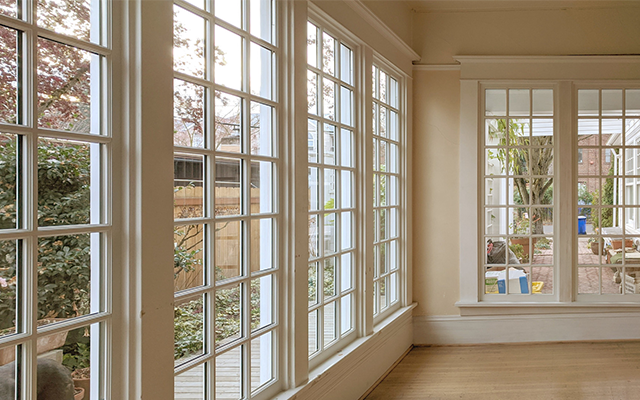
Aluminum sliding windows with Low-E glass also offer excellent clarity and visibility. Unlike some other types of coated glass, Low-E glass is nearly invisible, allowing for unobstructed views of the outdoors. This is particularly important for sliding windows, which are often used in areas where views are a priority, such as living rooms, bedrooms, or offices with a view. The combination of narrow aluminum frames and clear Low-E glass maximizes natural light and creates a seamless connection between indoor and outdoor spaces, a key feature of modern design.
Durability is another key advantage of aluminum sliding windows with Low-E glass. Aluminum frames are resistant to rust, corrosion, and warping, making them suitable for use in a variety of environments, including coastal areas where salt air can damage other materials. The frames are typically treated with a powder coating or anodization, which further enhances their durability and resistance to the elements. Low-E glass is also highly durable, resistant to scratches, chips, and breakage. When paired with tempered or laminated glass, it offers additional safety, as tempered glass breaks into small, harmless pieces, and laminated glass holds together when shattered.
Low maintenance is another benefit of aluminum sliding windows with Low-E glass. Aluminum frames require minimal upkeep, only needing occasional cleaning with a soft cloth and mild detergent to remove dirt and grime. The sliding mechanism is designed to be smooth and reliable, requiring little to no maintenance beyond occasional lubrication of the tracks. Low-E glass is also easy to clean, as the coating is resistant to dirt and grime, and can be cleaned with a regular glass cleaner and a soft cloth. This low maintenance aspect is ideal for busy homeowners and business owners who do not have the time for extensive window upkeep.
Customization options are abundant for aluminum sliding windows with Low-E glass, allowing homeowners and business owners to tailor the windows to their specific needs and preferences. They can choose from a variety of frame colors, including black, white, gray, brown, and custom colors, to match the exterior and interior of their property. The size of the window can be customized to fit any opening, from small bathroom windows to large floor-to-ceiling installations. Additionally, homeowners can choose from different types of Low-E glass, including single-silver, double-silver, and triple-silver coatings, each offering different levels of energy efficiency and UV protection. Single-silver Low-E glass is the most affordable option, while double-silver and triple-silver coatings offer superior energy efficiency, making them ideal for regions with extreme climates.
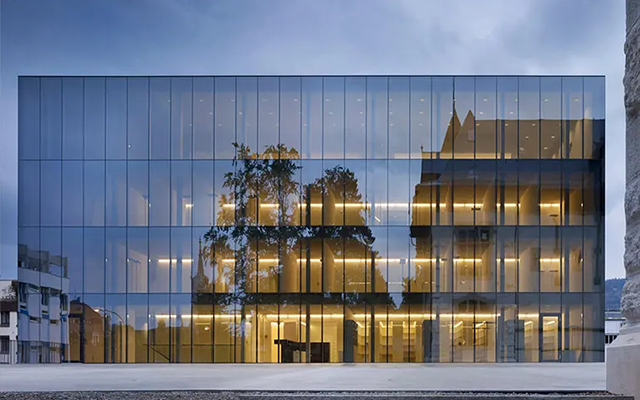
In commercial buildings, aluminum sliding windows with Low-E glass offer additional benefits. They are ideal for offices, retail spaces, and other commercial buildings where energy efficiency and comfort are important. The large glass area allows for ample natural light, which can improve employee productivity and customer satisfaction. The energy efficiency of Low-E glass helps to reduce operating costs for businesses, which is a significant advantage in today’s competitive market. Additionally, aluminum sliding windows are easy to operate and maintain, making them suitable for high-traffic commercial spaces.
Installation of aluminum sliding windows with Low-E glass is relatively straightforward, but it is recommended to hire professional installers to ensure proper fitting and performance. Professional installers have the experience and expertise to measure the window opening accurately, install the frame and sashes correctly, and ensure that the window is properly sealed. This helps to maximize energy efficiency, prevent air and water leakage, and ensure that the window operates smoothly. During installation, the tracks are leveled and secured, and the sashes are adjusted to ensure a tight fit. The Low-E glass is carefully installed to prevent damage to the coating, which is essential for maintaining its energy-efficient properties.
When choosing aluminum sliding windows with Low-E glass, it is important to consider several factors, including the climate, the size of the window opening, the desired level of energy efficiency, and the budget. In regions with hot, sunny climates, a double-silver or triple-silver Low-E coating may be more suitable, as it offers superior heat reflection. In colder climates, a Low-E coating with a high solar heat gain coefficient (SHGC) is recommended, as it allows more solar heat to enter the space, reducing heating costs. Additionally, homeowners and business owners should choose high-quality aluminum frames and hardware to ensure long-lasting performance.
Another consideration is the type of glazing. Double glazing is the most common option, offering a good balance of energy efficiency and cost. Triple glazing is ideal for regions with extreme climates, as it provides additional insulation and energy efficiency. Additionally, some windows come with argon or krypton gas填充 between the glass panes, which further enhances insulation by reducing heat transfer. Argon gas is more affordable, while krypton gas offers superior insulation, making it a good choice for those seeking maximum energy efficiency.
In conclusion, aluminum sliding windows with Low-E glass are a versatile and energy-efficient choice for both residential and commercial properties. They combine the space-saving design and durability of aluminum sliding windows with the superior energy efficiency, UV protection, and comfort of Low-E glass. With a wide range of customization options, low maintenance requirements, and aesthetic appeal, these windows are ideal for modern homes and commercial buildings. Whether you’re looking to reduce energy costs, improve comfort, or enhance the appearance of your property, aluminum sliding windows with Low-E glass offer a reliable and cost-effective solution that will provide value for years to come.







 CN
CN