




Time:2026-06-16 Views:0
In the world of commercial architecture, windows play a critical role in defining the aesthetic appeal, functionality, and energy efficiency of a building. Aluminum windows have emerged as the preferred choice for commercial buildings, thanks to their exceptional durability, versatility, energy efficiency, and design flexibility. Unlike residential windows, commercial windows must meet rigorous performance standards, including resistance to harsh weather conditions, high traffic, and heavy use. Aluminum windows are uniquely suited to these demands, offering a range of features that make them ideal for office buildings, retail spaces, hotels, hospitals, educational institutions, and other commercial structures. From high-rise skyscrapers to small retail shops, aluminum windows for commercial buildings provide a reliable, cost-effective solution that meets the diverse needs of architects, builders, and business owners.
One of the primary reasons aluminum windows are so popular in commercial buildings is their exceptional durability. Commercial buildings are often exposed to harsh environmental conditions, including strong winds, heavy rain, snow, UV radiation, and pollution. Aluminum is a naturally robust material that is resistant to rust, corrosion, warping, and rotting, making it ideal for use in these environments. Unlike wood windows, which can deteriorate over time due to moisture and insect damage, aluminum windows maintain their structural integrity and appearance for decades. Modern aluminum windows for commercial buildings are typically treated with advanced finishes, such as powder coating or anodization, which further enhance their durability and resistance to the elements. Powder coating creates a smooth, even finish that is available in a wide range of colors, while anodization produces a hard, protective layer that is resistant to scratches and fading. These finishes ensure that aluminum windows can withstand the rigors of commercial use and maintain their aesthetic appeal for years.
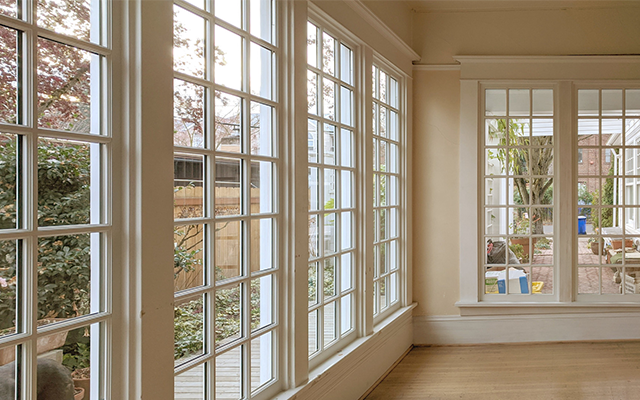
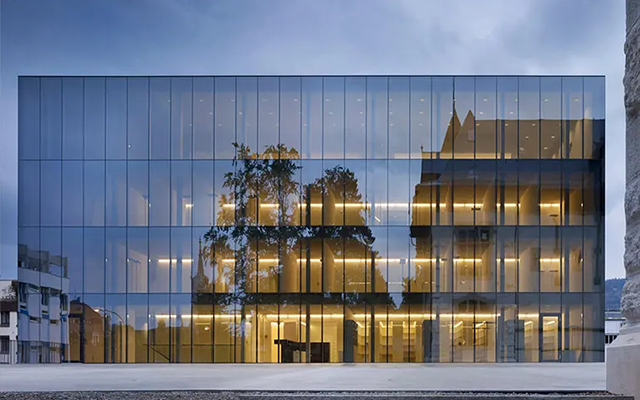
Another key advantage of aluminum windows for commercial buildings is their design flexibility. Commercial buildings come in a wide range of architectural styles, from modern skyscrapers to historic buildings, and aluminum windows can be customized to fit any design aesthetic. Aluminum frames can be fabricated in a variety of shapes and sizes, including large picture windows, curtain walls, sliding windows, casement windows, and awning windows. The narrow profile of aluminum frames maximizes the glass area, allowing for ample natural light and unobstructed views—key features in commercial buildings, where natural light can improve employee productivity, customer satisfaction, and overall well-being. Additionally, aluminum windows can be designed to meet specific architectural requirements, such as curved frames for unique building designs or large spans for open-concept spaces. This design flexibility makes aluminum windows a versatile choice for any commercial project.
Energy efficiency is a top priority for commercial building owners and operators, as energy costs can account for a significant portion of operating expenses. Aluminum windows for commercial buildings are designed to be highly energy-efficient, thanks to advanced features such as thermal breaks, double or triple glazing, Low-E glass, and weatherstripping. Thermal breaks are insulated strips placed between the inner and outer aluminum frames, which reduce heat transfer and improve the window’s thermal performance. This helps to keep commercial buildings cool in summer and warm in winter, reducing heating and cooling costs. Low-E glass, which has a thin, invisible coating that reflects infrared heat and blocks UV rays, further enhances energy efficiency by reducing heat gain and loss. Double or triple glazing, which creates an insulating layer of air or gas between the glass panes, provides additional insulation and energy savings. According to research data from the American Association of Architectural Manufacturers (AAMA), commercial buildings lose 30% – 40% of their total energy consumption through window systems, while proper window selection—such as aluminum windows with energy-efficient features—can reduce this percentage to below 15%.
Security is another critical consideration for commercial buildings, which often house valuable equipment, inventory, and sensitive information. Aluminum windows for commercial buildings are designed to provide exceptional security, with strong frames and secure locking systems. Aluminum frames are resistant to forced entry, and many models come equipped with multi-point locking systems, which engage at multiple points along the sash, making it nearly impossible for intruders to pry the window open. Additionally, the glass can be reinforced with tempered or laminated glass, which is more resistant to breakage than standard glass. Tempered glass breaks into small, harmless pieces, while laminated glass holds together when shattered, providing an extra layer of security. For high-security commercial buildings, such as banks, government offices, or data centers, aluminum windows can be equipped with additional security features, such as bullet-resistant glass or security screens.
Low maintenance is another benefit of aluminum windows for commercial buildings. Commercial building owners and operators have limited time and resources for window maintenance, and aluminum windows require minimal upkeep. The durable finishes on aluminum frames are resistant to dirt, grime, and stains, and can be easily cleaned with a soft cloth and mild detergent. The hardware, such as hinges and locks, is designed to be durable and reliable, requiring little to no maintenance beyond occasional lubrication. Unlike wood windows, which need regular painting or staining to prevent deterioration, aluminum windows maintain their appearance and performance with minimal effort. This low maintenance aspect helps to reduce operating costs for commercial building owners and ensures that the windows remain in good condition for years.
Fire safety is a critical requirement for commercial buildings, and aluminum windows for commercial buildings are designed to meet strict fire safety standards. Many aluminum windows are available with fire-rated glass and frames, which can withstand high temperatures for a specified period of time, allowing occupants to evacuate safely in the event of a fire. Fire-rated aluminum windows are tested and certified to meet national and international fire safety standards, ensuring that they provide adequate protection in case of a fire. Additionally, aluminum is a non-combustible material, which means it does not burn or contribute to the spread of fire, making it a safe choice for commercial buildings.
Sound insulation is another important feature of aluminum windows for commercial buildings, particularly for buildings located in busy urban areas or near highways. Aluminum windows can be equipped with sound-insulating features, such as double or triple glazing, laminated glass, and weatherstripping, which help to reduce noise transmission from the outside. This creates a quieter, more comfortable interior environment, which is essential for offices, hospitals, and educational institutions. For example, hospitals require quiet environments to ensure patient comfort and recovery, while offices need a quiet space for employees to focus and be productive. Aluminum windows with sound-insulating features can significantly reduce noise levels, creating a more pleasant and functional space.
Sustainability is a growing concern in commercial architecture, and aluminum windows are an eco-friendly choice. Aluminum is a highly recyclable material, with a recycling rate of over 90% for aluminum building products. This means that aluminum windows can be recycled at the end of their lifespan, reducing waste and conserving natural resources. Additionally, the energy efficiency of aluminum windows helps to reduce carbon emissions, as less energy is required for heating and cooling. Many aluminum window manufacturers use sustainable manufacturing processes, such as using renewable energy sources and reducing water consumption, further enhancing the environmental benefits of aluminum windows. For commercial building owners who are committed to sustainability, aluminum windows are an ideal choice that aligns with green building standards, such as LEED (Leadership in Energy and Environmental Design).
Customization options are abundant for aluminum windows for commercial buildings, allowing architects and builders to tailor the windows to the specific needs of the project. They can choose from a variety of frame colors, finishes, and sizes, as well as different types of glass, including Low-E glass, frosted glass, tinted glass, and fire-rated glass. The hardware can also be customized, with options such as crank handles, lever handles, sliding mechanisms, and smart locks. Additionally, aluminum windows can be integrated with other building systems, such as curtain walls, to create a seamless, cohesive look. This customization flexibility ensures that aluminum windows can meet the unique design and functional requirements of any commercial building.
Installation of aluminum windows for commercial buildings requires professional expertise, as the windows are often large and complex. Professional installers have the experience and equipment to handle the installation process, ensuring that the windows are properly fitted, sealed, and secured. During installation, the frames are anchored to the building’s structure, and the glass is carefully installed to prevent damage. The installation team also ensures that the windows operate smoothly and that all hardware is functioning correctly. Proper installation is essential to maximize the performance, durability, and energy efficiency of aluminum windows for commercial buildings.
When choosing aluminum windows for commercial buildings, it is important to consider several factors, including the building’s location, climate, architectural style, and functional requirements. For example, buildings in coastal areas require aluminum windows with corrosion-resistant finishes to withstand salt air, while buildings in cold climates need windows with high thermal performance to reduce heating costs. Additionally, commercial buildings with high security requirements, such as banks or government offices, may need windows with reinforced glass and advanced locking systems. It is also important to choose a reputable manufacturer that offers high-quality products and reliable customer support.
In conclusion, aluminum windows are the ideal choice for commercial buildings, offering a unique combination of durability, design flexibility, energy efficiency, security, and low maintenance. They are suitable for a wide range of commercial applications, from high-rise office buildings to small retail shops, and can be customized to meet the specific needs of any project. With their eco-friendly properties, fire safety features, and sound insulation capabilities, aluminum windows for commercial buildings provide a reliable, cost-effective solution that enhances the aesthetic appeal, functionality, and value of the building. Whether you’re designing a new commercial building or renovating an existing one, aluminum windows are a smart investment that will provide long-term value and performance.







 CN
CN