




Time:2026-06-17 Views:0
Aluminum windows with thermal break have revolutionized the fenestration industry, addressing one of the primary limitations of traditional aluminum windows—poor thermal insulation. Aluminum is a highly conductive material, meaning it readily transfers heat between the interior and exterior of a building, leading to energy loss, increased utility bills, and uncomfortable indoor temperatures. Thermal break technology solves this problem by inserting an insulating barrier within the aluminum frame, disrupting the thermal bridge and significantly improving the window’s energy efficiency. Today, aluminum windows with thermal break are a popular choice for both residential and commercial buildings, offering a perfect combination of durability, style, and energy savings. In this detailed guide, we will explore the science behind thermal break technology, the design features, benefits, applications, and maintenance of aluminum windows with thermal break, providing a comprehensive overview of why they are a superior choice for modern buildings.
To understand the importance of thermal break technology, it is first necessary to grasp the concept of thermal bridging. A thermal bridge is a path through which heat transfers more easily than through the surrounding material. In traditional aluminum windows, the solid aluminum frame acts as a thermal bridge, allowing heat to flow from the warm interior to the cold exterior in winter, and from the hot exterior to the cool interior in summer. This results in significant energy loss, as heating and cooling systems must work harder to maintain a comfortable indoor temperature. Additionally, thermal bridging can cause condensation to form on the interior surface of the window, leading to mold growth, water damage, and reduced indoor air quality.
Thermal break technology addresses this issue by inserting a low-conductivity material—typically polyamide strips or thermoplastic composites—between the interior and exterior sections of the aluminum frame. Polyamide is the most commonly used material for thermal breaks, as it has a thermal conductivity that is thousands of times lower than aluminum. The polyamide strips are precision-cut and inserted into the aluminum extrusion during the manufacturing process, creating a barrier that disrupts the thermal bridge. The aluminum frame is then divided into two separate sections: the interior frame, which is in contact with the indoor environment, and the exterior frame, which is exposed to the outdoors. The thermal break connects these two sections structurally while preventing heat transfer between them.
The design of aluminum windows with thermal break is carefully engineered to balance structural integrity and thermal performance. The polyamide thermal break not only provides insulation but also maintains the strength and rigidity of the aluminum frame. The extrusion process ensures that the thermal break is securely bonded to the aluminum, creating a seamless and durable connection. Many thermal break aluminum frames feature multiple chambers within the extrusion, which further enhance thermal insulation by trapping air, a poor conductor of heat. These chambers also improve the frame’s structural stability, making it more resistant to bending and warping.
One of the most significant benefits of aluminum windows with thermal break is their superior energy efficiency. By reducing thermal bridging, these windows minimize heat loss in winter and heat gain in summer, leading to lower energy bills. Studies have shown that thermal break aluminum windows can reduce heating and cooling energy consumption by 15-30% compared to traditional aluminum windows. This not only saves homeowners and building owners money but also reduces carbon emissions, making them a more sustainable choice. Additionally, the improved thermal performance creates a more comfortable indoor environment, with consistent temperatures throughout the space and reduced drafts.
Condensation control is another key advantage of aluminum windows with thermal break. In traditional aluminum windows, the interior surface of the frame can become very cold in winter, causing moisture in the indoor air to condense on the frame. This condensation can lead to mold growth, water damage to walls and window sills, and a decrease in indoor air quality. Thermal break technology keeps the interior surface of the frame closer to the indoor temperature, significantly reducing the risk of condensation. This not only protects the building from damage but also improves the overall comfort and health of the occupants.
Aluminum windows with thermal break also offer excellent durability and low maintenance, thanks to the inherent properties of aluminum. Aluminum is resistant to corrosion, rot, and insect damage, making it suitable for use in all climates, including coastal areas where saltwater exposure is a concern. The thermal break material, typically polyamide, is also highly durable and resistant to UV radiation, ensuring that it maintains its insulating properties over time. The frames are typically finished with a high-quality powder coating or anodized finish, which provides additional protection against the elements and enhances the window’s aesthetic appeal. Unlike wood windows, which require regular painting or staining, thermal break aluminum windows require only occasional cleaning with soap and water to maintain their appearance.
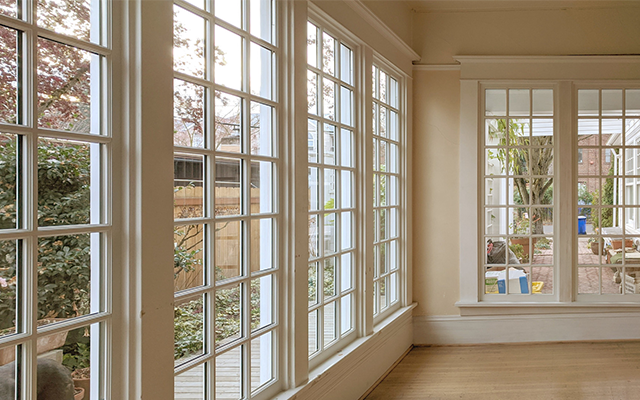
Design versatility is another major benefit of aluminum windows with thermal break. Aluminum can be extruded into a wide range of profiles, allowing for sleek, modern designs that complement any architectural style. The frames are available in a variety of colors and finishes, including powder coating, anodizing, and wood grain finishes, making it easy to match the window to the home’s exterior and interior design. Additionally, thermal break aluminum windows can be designed in various styles, including casement, sliding, awning, and tilt-and-turn, providing flexibility for different applications and design preferences. Large glass panels are also possible, as the thermal break frame provides the structural support needed to hold heavy glass without compromising energy efficiency.
Security is also a key consideration for aluminum windows with thermal break. Many models feature multi-point locking systems, which secure the window sash to the frame at multiple points, making it more difficult for intruders to force the window open. The thick aluminum frame and strong glass options (such as tempered or laminated glass) provide an additional layer of security, deterring potential break-ins. Additionally, the thermal break design does not compromise the frame’s strength, ensuring that the window remains structurally sound even in high-stress environments.
The applications of aluminum windows with thermal break are diverse, spanning residential, commercial, and industrial settings. In residential buildings, these windows are ideal for homes in all climates, from cold northern regions to hot southern areas, as they provide year-round energy savings and comfort. They are particularly popular in modern homes, where sleek design and energy efficiency are top priorities. In commercial buildings, such as offices, hotels, and retail spaces, thermal break aluminum windows are used to reduce energy costs and create a comfortable environment for employees and customers. They are also suitable for high-rise buildings, where the wind load and thermal performance requirements are more stringent.
When it comes to installation, aluminum windows with thermal break require professional installation to ensure optimal performance. The installation process involves precise measurement of the opening, preparation of the rough opening, installation of the frame, and fitting of the sash and hardware. Professional installers will ensure that the frame is level and plumb, and that the thermal break is properly aligned to maximize insulation. They will also properly seal the frame to prevent air and water leakage, which can compromise energy efficiency and cause damage to the building. Additionally, professional installation ensures that the window’s locking mechanisms and other hardware function correctly.
Maintenance of aluminum windows with thermal break is minimal. Regular cleaning with a mild detergent and water will remove dirt, dust, and grime from the frame and glass. It is important to inspect the window seals periodically to ensure they are intact and free from damage, as worn seals can compromise energy efficiency and allow water to leak into the building. The hardware, such as hinges and locks, should be lubricated annually with a silicone-based lubricant to ensure smooth operation. In coastal areas, it is recommended to rinse the windows with fresh water after exposure to saltwater to prevent corrosion of the finish and hardware.
When choosing aluminum windows with thermal break, there are several factors to consider. The thermal performance ratings, such as U-factor and SHGC, are important indicators of the window’s energy efficiency. U-factor measures the rate of heat transfer through the window, with lower values indicating better insulation. SHGC measures the amount of solar heat that passes through the window, with lower values indicating better heat rejection. It is also important to choose a reputable manufacturer that uses high-quality materials and advanced manufacturing techniques to ensure the thermal break is properly integrated into the frame. Additionally, the window’s design, color, and style should be chosen to match the building’s architecture and the homeowner’s design preferences.
In conclusion, aluminum windows with thermal break are a superior fenestration solution that combines energy efficiency, durability, style, and security. The thermal break technology eliminates the thermal bridging problem associated with traditional aluminum windows, reducing energy loss, improving indoor comfort, and preventing condensation. With their versatile design, low maintenance requirements, and wide range of applications, these windows are an ideal choice for modern homes and commercial buildings. Whether you are building a new home, renovating an existing one, or looking to upgrade your windows for better energy efficiency, aluminum windows with thermal break offer a reliable, long-lasting solution that provides value and comfort for years to come.







 CN
CN