




Time:2025-07-28 Views:0
Frame Design
The frame of an aluminum fixed glass window is the foundation that supports the large glass panes while contributing to the overall aesthetic of the structure. Aluminum frames are typically fabricated using extrusion techniques, where heated aluminum is forced through a die to create precise and complex shapes. This manufacturing process allows for the production of frames with slim profiles, which is a defining characteristic of fixed glass windows. The slim frames minimize the visual obstruction, enabling an expansive view of the outdoors and maximizing the amount of natural light that enters the building.
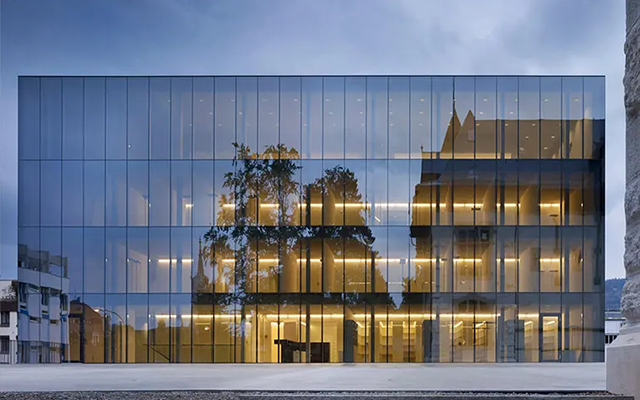
These frames can be customized in terms of size, shape, and configuration to suit the architectural requirements of any project. For instance, in contemporary high - rise buildings, floor - to - ceiling aluminum fixed glass windows can create a stunning facade, blurring the boundaries between the interior and exterior spaces. In residential settings, fixed glass windows can be designed as bay windows, bow windows, or as large - format single - pane installations, adding architectural interest and enhancing the living experience.
The joints and corners of the aluminum frames are meticulously engineered. Welding or mechanical fasteners are commonly used to join the frame components, ensuring a sturdy and durable structure. Additionally, modern aluminum frames often incorporate thermal breaks, which are insulating materials inserted into the frame to reduce heat transfer. This not only improves the energy efficiency of the window but also prevents condensation on the interior surface of the frame, especially in colder climates.
Glass Design and Configuration
Aluminum fixed glass windows offer a wide range of glass options to meet different performance and aesthetic needs. The most basic option is single - pane glass, which may be suitable for applications where cost is a major concern or where high - level insulation is not required. However, for enhanced thermal insulation, soundproofing, and safety, double - pane or triple - pane glass is more commonly used.
Double - pane glass consists of two panes of glass separated by a spacer filled with air or an inert gas, such as argon. The gas - filled gap acts as an insulator, reducing heat transfer through the glass. Triple - pane glass takes insulation a step further, with three panes of glass and two gas - filled gaps, providing even better thermal performance. In addition to the number of panes, glass can be enhanced with low - emissivity (Low - E) coatings. These coatings are applied to the glass surface and are designed to reflect infrared and ultraviolet light, reducing heat gain in the summer and heat loss in the winter.
For safety - critical applications, laminated or tempered glass is often employed. Laminated glass consists of two or more layers of glass bonded together with a plastic interlayer. In the event of breakage, the interlayer holds the glass fragments together, reducing the risk of injury. Tempered glass, on the other hand, is heat - treated to make it stronger and more resistant to breakage. When it does break, it shatters into small, relatively harmless pieces.
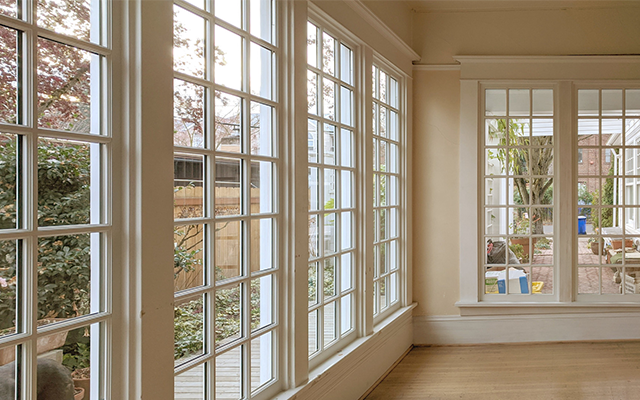
The configuration of the glass within the aluminum frame can also vary. Some fixed glass windows feature a single large - format pane, creating a seamless and unobstructed view. Others may incorporate multiple smaller panes separated by muntins, which can mimic the look of traditional divided - light windows or add a decorative element to the design. Muntins can be made of aluminum, wood, or other materials and can be installed on the exterior, interior, or between the panes of glass.







 CN
CN