



Time:2025-08-20 Views:0
Designing a new straight staircase involves careful planning and consideration of various factors to ensure safety, functionality, and aesthetic appeal. This guide will walk you through the essential steps and considerations for creating a well-designed straight staircase.
1. Understanding the Basics of Staircase Design
Before diving into the specifics, it's crucial to understand the basic components and terminology of staircase design. The main parts of a staircase include:
Treads: The horizontal surfaces on which you step.
Risers: The vertical surfaces between the treads.
Stringers: The structural supports that hold the treads and risers.
Handrails: The horizontal bars that provide support and safety.
Balusters: The vertical supports that hold up the handrail.
The design of these components must adhere to building codes and regulations to ensure safety and accessibility.
2. Determining the Staircase Dimensions
The dimensions of your staircase will depend on the available space and the intended use. Here are some key measurements to consider:
Rise and Run: The rise is the height of each step, while the run is the depth of each tread. A comfortable rise is typically between 7 and 7.5 inches, and a comfortable run is between 10 and 12 inches.
Staircase Width: The width of the staircase should be at least 36 inches to allow for comfortable passage. For high-traffic areas, a wider staircase may be necessary.
Headroom: Ensure there is at least 6 feet 8 inches of headroom above the staircase to prevent injuries.
3. Choosing the Right Materials
The choice of materials will affect the durability, appearance, and cost of your staircase. Common materials include:
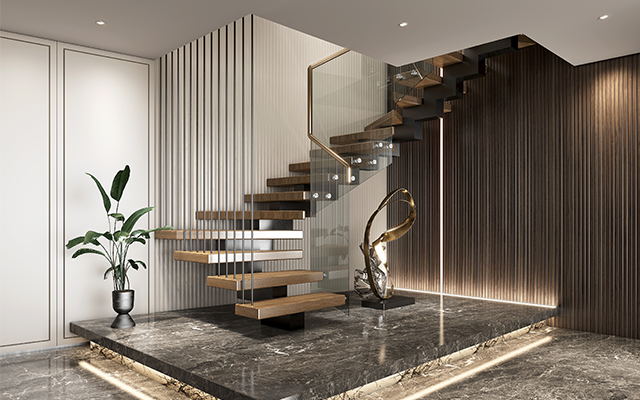
Wood: Popular for its natural beauty and versatility. Hardwoods like oak, maple, and walnut are durable and elegant, while softwoods like pine are more affordable.
Metal: Provides a modern, industrial look and is highly durable. Steel and aluminum are common choices.
Concrete: Offers a sleek, contemporary look and is very durable. It can be finished in various ways, including polished, stained, or textured.
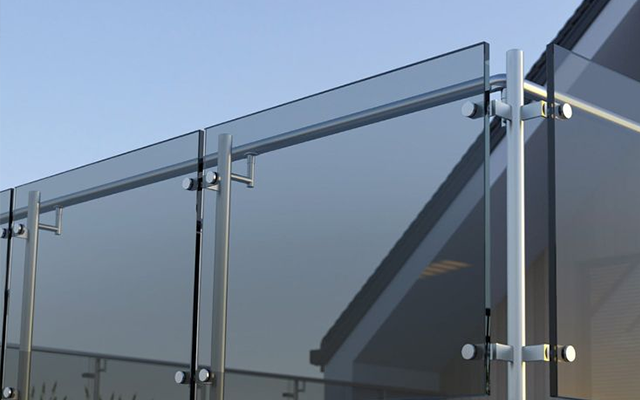
Glass: Adds a touch of elegance and openness to a space. It is often used for handrails and balustrades.
4. Ensuring Safety and Accessibility
Safety is a top priority when designing a staircase. Here are some tips to ensure your staircase is safe and accessible:
Handrails: Install handrails on both sides of the staircase, and ensure they are securely anchored and easy to grip.
Non-Slip Treads: Use non-slip materials for the treads to prevent accidents. You can also add anti-slip strips or pads.
Proper Lighting: Ensure the staircase is well-lit to prevent trips and falls. Consider installing motion-sensor lights for added convenience.
Compliance with Building Codes: Follow local building codes and regulations to ensure your staircase meets safety standards.
5. Aesthetic Considerations
The design of your staircase should complement the overall aesthetic of your home or building. Here are some ideas to enhance the visual appeal of your staircase:
Finishes and Colors: Choose finishes and colors that match the surrounding decor. For wood staircases, consider staining or painting to achieve the desired look.
Decorative Elements: Add decorative elements such as carved balusters, ornate newel posts, or glass panels to create a unique and stylish staircase.
Lighting: Use lighting to highlight the staircase and create a focal point. Consider under-tread lighting, wall sconces, or pendant lights.
6. Installation and Maintenance
Once you have designed your staircase, it's time to install it. Here are some tips for a successful installation:
Hiring a Professional: Consider hiring a professional contractor or carpenter to ensure the staircase is installed correctly and safely.
Quality Control: Inspect the staircase during and after installation to ensure all components are properly aligned and securely fastened.
Regular Maintenance: Regularly inspect and maintain your staircase to ensure it remains safe and functional. Check for loose or damaged components and address any issues promptly.
7. Cost Considerations
The cost of a new straight staircase can vary widely depending on the materials, design, and size. Here are some factors to consider when budgeting for your staircase:
Material Costs: The type of materials you choose will significantly impact the cost. Wood, metal, concrete, and glass have different price points and installation requirements.
Labor Costs: The complexity of the design and the size of the staircase will affect the labor costs. A simple, straightforward design will generally be less expensive to install.
Additional Features: Adding features such as custom railings, lighting, or decorative elements can increase the overall cost.
8. Environmental Impact
Consider the environmental impact of your staircase design and materials. Here are some ways to make your staircase more eco-friendly:
Sustainable Materials: Choose materials that are sustainably sourced, such as FSC-certified wood or recycled metal.
Energy Efficiency: Use energy-efficient lighting options, such as LED bulbs, to reduce energy consumption.
Durability: Select durable materials that will last longer and require less frequent replacement, reducing waste and resource consumption.
9. Future-Proofing Your Staircase
Designing a staircase that can adapt to future needs is important for long-term functionality. Here are some tips for future-proofing your staircase:
Modular Design: Consider a modular design that allows for easy modifications or expansions in the future.
Accessibility Features: Incorporate features that accommodate changing mobility needs, such as wider treads, lower risers, and handrails on both sides.
Technology Integration: Integrate smart home technology, such as motion-sensor lights or automated window shades, to enhance convenience and energy efficiency.
10. Conclusion
Designing a new straight staircase requires careful planning, attention to detail, and consideration of various factors. By understanding the basics of staircase design, determining the right dimensions, choosing the appropriate materials, ensuring safety and accessibility, and incorporating aesthetic and functional elements, you can create a staircase that is both beautiful and practical. Remember to follow building codes and regulations, and consider the environmental impact and future needs of your staircase. With these guidelines, you can design a staircase that enhances the functionality and aesthetic appeal of your home or building.







 CN
CN