



Time:2025-12-19 Views:0
Double interior doors (also called French doors or bi-fold double doors) are a stylish and functional design choice for offices, homes, and commercial spaces—creating grand entrances, maximizing light flow, and expanding usable space. Unlike single doors, double doors consist of two side-by-side panels that swing open (inward or outward) or slide, making them ideal for wide doorways (6-8 feet) leading to large rooms like conference rooms, living rooms, or master suites. Double interior door design focuses on material selection, operability, glass integration, and alignment with the space’s aesthetic, balancing form and function.
Material selection for double interior doors impacts both durability and style. Solid wood is a premium choice, offering warmth and elegance—hardwoods like oak, maple, or mahogany are stained to highlight natural grain, making them suitable for traditional or transitional spaces. Engineered wood (MDF or plywood) is a more affordable alternative, with a smooth surface that accepts paint or laminate finishes, ideal for modern offices or homes. Metal-framed double doors (aluminum or steel) add a sleek, contemporary look, often paired with glass panels to maximize light. For high-traffic areas like office lobbies or retail spaces, reinforced fiberglass doors resist dents and moisture, requiring minimal maintenance. The material should also align with the door’s purpose: solid wood or solid-core doors for soundproofing in meeting rooms, and glass-paneled doors for open, collaborative spaces.
Operability and space efficiency are key design considerations. Swinging double doors are the most common—they can swing inward (saving wall space outside the room) or outward (ideal for small rooms where inward swing would take up floor space). “Active-passive” designs (one door is operable for daily use, the other is fixed) reduce wear and tear while maintaining the grand look. Sliding double doors (which glide on a track above or below the doorway) are space-saving, making them suitable for tight areas like small offices or apartments. Bi-fold double doors fold in on themselves, creating a wide opening without requiring swing space—perfect for connecting open-concept work areas or dividing large rooms into smaller sections. Hardware should be sturdy enough to support the door’s weight: heavy-duty hinges for swinging doors, smooth-rolling tracks for sliding doors, and ergonomic handles (levers or pulls) that are easy to operate with one hand.
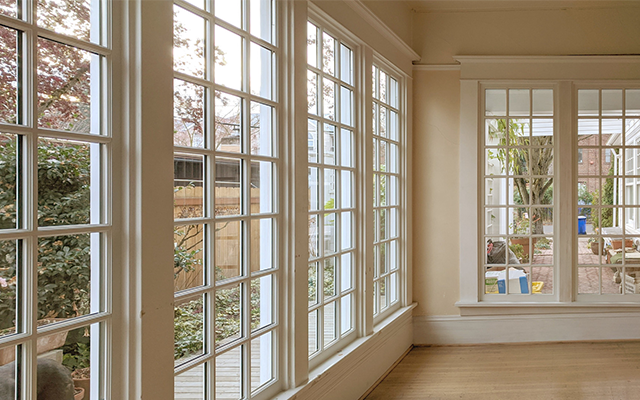
Glass integration enhances light flow and visual openness in double interior doors. Clear glass panels are used to promote transparency, making small spaces feel larger and encouraging collaboration in offices. Frosted, etched, or patterned glass adds privacy while maintaining light—ideal for meeting rooms, bedrooms, or bathrooms. Leaded glass or stained glass adds a decorative touch, suitable for traditional or luxury spaces like hotel lobbies or executive offices. Glass should be tempered for safety, as it shatters into small, rounded pieces if broken, and double-paned glass improves insulation, reducing heat transfer and noise.
Design cohesion with the surrounding space ensures double interior doors blend seamlessly. For modern offices, pair metal-framed glass doors with minimalist hardware in matte black or brushed nickel. For traditional homes, solid wood doors with raised panels and brass hardware complement classic decor. The door’s finish should match or coordinate with other elements, like wall colors, flooring, or furniture—neutral finishes (white, gray, natural wood) are versatile, while bold colors (navy, forest green) can make a statement. Finally, consider the door’s impact on the room’s flow: double doors should open to a clear pathway, without blocking furniture or traffic, ensuring both functionality and aesthetic appeal.







 CN
CN