




Time:2026-06-11 Views:0
In an age of increasing energy costs and growing environmental awareness, energy efficiency has become a key consideration in building design and home improvement. Energy Star aluminum windows are designed to meet strict energy efficiency standards set by the U.S. Environmental Protection Agency (EPA) and the U.S. Department of Energy (DOE), offering homeowners and business owners a cost-effective and sustainable way to reduce energy consumption and lower utility bills. These windows combine the inherent benefits of aluminum, such as durability, strength, and versatility, with advanced energy-saving technologies to create a window that is both functional and environmentally friendly. In this comprehensive guide, we will explore the Energy Star program, the key features of Energy Star aluminum windows, their benefits, the technologies used to achieve energy efficiency, applications, maintenance, and factors to consider when choosing them.
First, it is important to understand what the Energy Star program is and what it represents. Energy Star is a voluntary program developed by the EPA and DOE to help consumers and businesses save energy and reduce greenhouse gas emissions. Products that earn the Energy Star label meet strict energy efficiency criteria that are set based on the latest scientific and technological advancements. Energy Star windows are tested and certified to ensure that they meet or exceed these criteria, providing consumers with a reliable and trusted way to identify energy-efficient products. The Energy Star label is a symbol of quality and efficiency, and choosing Energy Star aluminum windows can help homeowners and business owners reduce their carbon footprint and save money on energy bills.
The key feature of Energy Star aluminum windows is their ability to reduce heat transfer through the window, which is measured by two key metrics: the U-factor and the Solar Heat Gain Coefficient (SHGC). The U-factor measures the rate of heat transfer through the window, with lower U-factors indicating better insulation and energy efficiency. Energy Star windows have U-factors that meet or exceed the minimum requirements set by the program, which vary depending on the climate zone. The SHGC measures the amount of solar radiation that passes through the window and is absorbed as heat, with lower SHGC values indicating less heat gain. This is particularly important in warm climates, where reducing solar heat gain can help lower air conditioning costs. Energy Star windows are designed to balance U-factor and SHGC to provide optimal energy efficiency for the specific climate zone.
One of the main technologies used in Energy Star aluminum windows to achieve energy efficiency is thermal breaks. Aluminum is a good conductor of heat, which means that heat can easily transfer through the aluminum frame, leading to energy loss. Thermal breaks are insulating strips made from materials such as polyamide or vinyl that are inserted into the aluminum frame, creating a barrier that reduces heat transfer. This helps to keep the interior of the building cool in summer and warm in winter, reducing the need for heating and air conditioning. Thermal breaks also help to prevent condensation on the window frame, which can cause mold and mildew growth.
Another important technology used in Energy Star aluminum windows is low-emissivity (Low-E) glass. Low-E glass has a thin, invisible coating that reflects infrared radiation and UV rays while allowing visible light to pass through. This coating helps to reduce heat transfer through the glass, as it reflects heat back into the interior of the building in winter and reflects solar heat away from the building in summer. Low-E glass also blocks up to 99% of UV radiation, which helps to protect interior furnishings from fading and damage. Additionally, many Energy Star aluminum windows use double or triple glazing, with a gap between the panes filled with air or an inert gas such as argon or krypton. The gap between the panes acts as an additional thermal barrier, further reducing heat transfer.
The benefits of Energy Star aluminum windows are numerous. First and foremost, they help to reduce energy consumption and lower utility bills. By reducing heat transfer through the window, these windows reduce the need for heating in winter and air conditioning in summer, resulting in significant energy savings. According to the EPA, Energy Star windows can save homeowners up to $500 per year on energy bills, depending on the climate and the type of windows being replaced. Additionally, Energy Star aluminum windows help to reduce greenhouse gas emissions, contributing to a more sustainable and environmentally friendly future.
Another benefit of Energy Star aluminum windows is their comfort. By reducing heat transfer, these windows help to maintain a consistent and comfortable temperature throughout the building, eliminating hot and cold spots. This makes the interior of the building more comfortable for occupants, reducing the need for additional heating or cooling. Additionally, Energy Star windows often have better airtight seals, which reduce drafts and improve indoor air quality by preventing outside air, dust, and pollutants from entering the building.
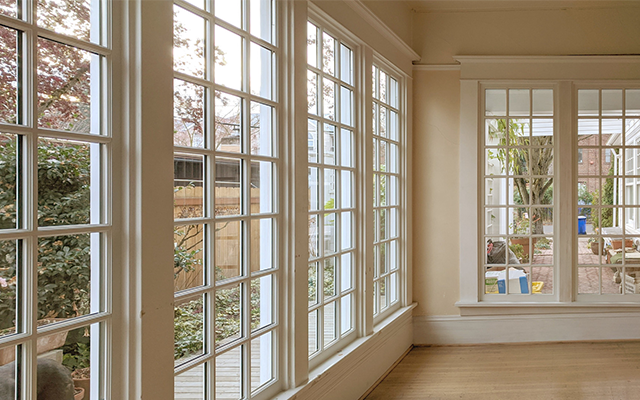
Energy Star aluminum windows also offer the same durability and aesthetic versatility as standard aluminum windows. Aluminum is a strong, lightweight, and corrosion-resistant material that can withstand harsh weather conditions, making it suitable for both interior and exterior use. The frames can be powder-coated in a wide range of colors and finishes, allowing homeowners and designers to customize the windows to match any architectural style or design vision. Additionally, aluminum frames are low-maintenance, requiring only occasional cleaning to maintain their appearance and performance.
Maintenance of Energy Star aluminum windows is relatively simple. The aluminum frames can be cleaned with a mild detergent and water, while the Low-E glass can be cleaned with a non-abrasive glass cleaner. It is important to avoid using harsh chemicals or abrasive tools, as these can damage the glass coating or the aluminum frame. Additionally, regular inspection of the window seals and hardware is recommended to ensure that the window remains airtight and functional. If the seals become worn or damaged, they should be replaced promptly to maintain energy efficiency and prevent water leakage. With proper maintenance, Energy Star aluminum windows can last for 20 to 30 years or more, providing long-term energy savings and value.
When choosing Energy Star aluminum windows, there are several factors to consider. First, it is important to check the Energy Star certification for the specific climate zone. The EPA and DOE set different energy efficiency requirements for different climate zones, so it is important to choose windows that are certified for your area. Second, the type of glass and frame design should be chosen based on the specific needs of the building. For example, in cold climates, windows with a low U-factor are more important, while in warm climates, windows with a low SHGC are more beneficial. Third, the quality of the aluminum frame and installation is crucial for ensuring optimal energy efficiency. It is important to choose a reputable manufacturer and installer who has experience with Energy Star aluminum windows.
Energy Star aluminum windows are suitable for a wide range of applications, including residential homes, apartments, commercial offices, retail stores, hotels, hospitals, and schools. They are particularly beneficial in areas with extreme weather conditions, where energy efficiency is a top priority. In residential settings, they are ideal for all rooms, including living rooms, bedrooms, kitchens, and bathrooms. In commercial settings, they are suitable for offices, conference rooms, storefronts, and lobbies, where reducing energy costs and improving comfort are important. Additionally, Energy Star aluminum windows are often eligible for rebates and incentives from utility companies and government programs, further reducing the cost of installation.
In conclusion, Energy Star aluminum windows offer a cost-effective and sustainable solution for reducing energy consumption and lowering utility bills. With their advanced energy-saving technologies, durable aluminum frames, and aesthetic versatility, they are a superior choice for any building project. By choosing Energy Star aluminum windows, homeowners and business owners can not only save money but also contribute to a more sustainable and environmentally friendly future. With proper selection and installation, these windows will provide long-term energy savings, comfort, and value, making them an excellent investment for any property.







 CN
CN