



Time:2026-04-21 Views:0
In the ever-evolving world of interior design, the interior sliding door has emerged as a staple, celebrated for its ability to combine functionality, style, and versatility in a way that traditional hinged doors simply cannot match. Unlike hinged doors that swing open and occupy valuable floor space, interior sliding doors operate on a horizontal track system, gliding smoothly along the wall or within a frame to open and close. This design not only maximizes usable space but also creates a seamless transition between rooms, enhances light flow, and adds a modern, sophisticated touch to any interior. From compact city apartments to spacious suburban homes, interior sliding doors have become a favorite among homeowners and designers, offering a practical solution to space constraints while elevating the overall aesthetic of the space.
At its core, an interior sliding door system consists of several key components that work together to ensure smooth, reliable operation. The most critical component is the track system, which can be mounted either on the surface of the wall (surface-mounted) or recessed within the door frame (recessed track). Surface-mounted tracks are more common in renovations, as they do not require modifying the existing wall structure, while recessed tracks create a cleaner, more seamless look by hiding the track within the frame. The track is typically made from durable materials like steel, aluminum, or stainless steel, which provide stability and minimize friction. Attached to the top edge of the door panel are rollers or hangers, which glide along the track—high-quality rollers are often equipped with ball bearings to ensure quiet, effortless movement. Bottom guides or floor tracks are also used to keep the door aligned and prevent it from swinging or tilting as it slides, though floor tracks can be a tripping hazard and may require more frequent cleaning.
One of the primary reasons for the popularity of interior sliding doors is their space-saving design. Traditional hinged doors require a swing radius that can take up significant floor space, making them impractical in small rooms or areas with limited clearance. Interior sliding doors eliminate this issue by sliding along the wall, freeing up the entire swing area for furniture, storage, or other uses. For example, in a small bedroom, a sliding door can allow for a larger bed or dresser, while in a compact kitchen, it can create more space for a dining table or countertop. This space-saving feature also makes sliding doors ideal for open-concept floor plans, where they can be used to divide spaces (such as a living room and dining room) without closing off light or airflow. When open, sliding doors disappear against the wall, creating an unobstructed view and a more open, airy feel.
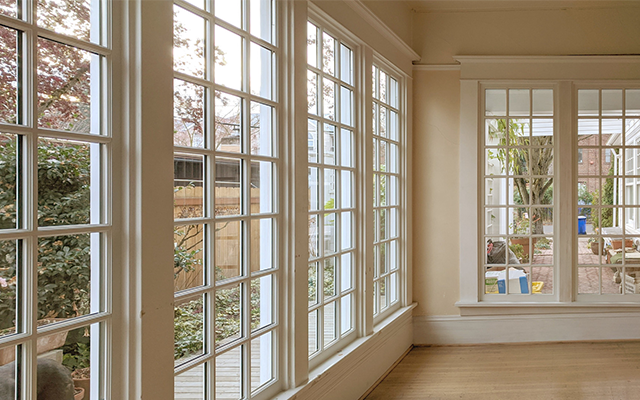
Another key advantage of interior sliding doors is their ability to enhance light flow and visual openness within a home. Unlike solid hinged doors that block light when closed, sliding doors can be designed with glass panels—clear, frosted, tinted, or decorative—to allow natural light to pass between rooms. This not only brightens up the space but also creates a sense of continuity and connection between different areas of the home. For example, a glass sliding door between a kitchen and dining room can allow light from the kitchen to illuminate the dining area, making both spaces feel larger and more inviting. Frosted or decorative glass options also provide privacy while still allowing light to filter through, making them ideal for bathrooms, walk-in closets, or home offices.
Interior sliding doors are also highly versatile in terms of design, making them suitable for a wide range of interior styles. They are available in a variety of materials, including wood, glass, metal, and composite materials, each offering a unique aesthetic. Wooden sliding doors, crafted from solid hardwoods like oak, walnut, or maple, provide a warm, timeless look that complements traditional, rustic, or Scandinavian-style interiors. They can be finished with stain, paint, or clear coat to highlight the natural wood grain, and can be designed with panels, moldings, or carvings for added character. Glass sliding doors, on the other hand, are perfect for modern, minimalist, or contemporary interiors, offering a sleek, airy look that enhances the sense of space. Metal-framed sliding doors, with their industrial edge, are ideal for loft-style or urban interiors, while composite sliding doors (made from materials like MDF or PVC) offer a cost-effective, low-maintenance alternative that can mimic the look of wood or metal.
In addition to their design versatility, interior sliding doors are available in a variety of configurations to suit different needs and spaces. Single sliding doors are the most common, featuring one door panel that slides to one side, ideal for standard door openings. Double sliding doors consist of two panels that slide past each other, creating a wider opening—perfect for larger spaces like living rooms, master bedrooms, or walk-in closets. Bi-fold sliding doors, which fold in on themselves as they slide, are another popular option, offering a compact solution for narrow spaces or areas where a full sliding door would not fit. There are also pocket sliding doors, which combine the space-saving benefits of sliding doors with the “disappearing” feature of pocket doors, sliding into a wall cavity when open.
When it comes to installation, interior sliding doors are generally easier to install than pocket doors, especially if using a surface-mounted track system. For new construction, recessed tracks can be installed during the framing process, while surface-mounted tracks can be added to existing walls during renovations. It is important to ensure that the track is level and securely mounted to support the weight of the door panel—heavier doors (like solid wood or large glass doors) may require reinforced tracks or additional support. Professional installation is recommended for larger or heavier doors, as improper installation can lead to misalignment, sticking, or premature wear of the rollers and track. Regular maintenance is also important to keep sliding doors operating smoothly—this includes cleaning the track to remove dirt and debris, lubricating the rollers, and checking the guides for alignment.
Like any door system, interior sliding doors have their advantages and disadvantages. In addition to their space-saving and light-enhancing benefits, they offer several other pros. They are easy to operate, even for children or elderly individuals, as they require minimal force to slide open and closed. They also provide unobstructed access to the room when open, making them ideal for high-traffic areas. Additionally, sliding doors are generally more durable than hinged doors, as they have fewer moving parts and are less prone to wear and tear—high-quality sliding door systems can last for decades with proper maintenance.
On the downside, interior sliding doors may not provide the same level of sound insulation as solid hinged doors, as there is often a small gap between the door panel and the frame. This can be mitigated by adding weatherstripping or choosing a door with a tighter fit, but it is still something to consider for spaces where privacy and noise reduction are a priority (like bedrooms or home offices). Floor tracks, if used, can be difficult to clean and may accumulate dirt and debris, which can affect the door’s movement. Additionally, sliding doors can be more expensive than traditional hinged doors, especially if using high-quality materials or custom designs. However, the long-term benefits—space savings, enhanced aesthetics, and durability—often outweigh the initial cost.
In conclusion, the interior sliding door is a versatile, practical, and stylish solution for modern interiors. Its space-saving design, ability to enhance light flow, and design versatility make it suitable for a wide range of spaces and styles, from compact apartments to spacious homes. Whether used to divide open-concept spaces, maximize space in small rooms, or add a touch of modern elegance to a home, interior sliding doors continue to be a popular choice among homeowners and designers. With proper installation, maintenance, and careful consideration of your needs and design preferences, an interior sliding door can transform your space and provide years of reliable service.







 CN
CN