



Time:2025-12-19 Views:0
Modern interior door frames are defined by sleek lines, minimal ornamentation, and functional design—complementing contemporary, mid-century modern, and minimalist interiors while providing structural support for doors. Unlike traditional frames (which often feature decorative moldings and thick profiles), modern frames prioritize simplicity, space efficiency, and material innovation, creating a seamless transition between rooms and enhancing the overall clean aesthetic of modern homes. Key elements of modern interior door frames include profile design, material selection, and integration with the door and wall.
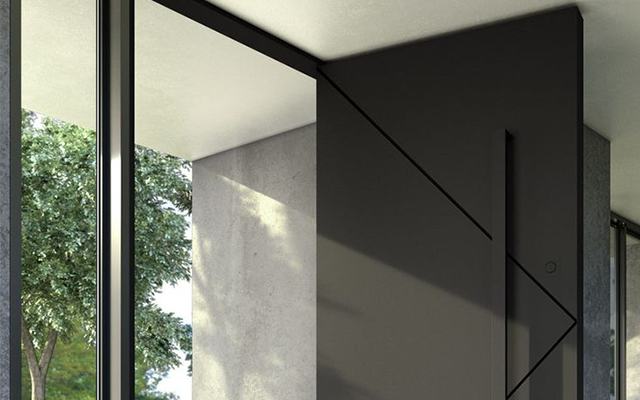
Profile design is a defining feature of modern interior door frames. Modern frames typically have thin, streamlined profiles (1-2 inches wide) that avoid visual bulk, allowing the door to be the focal point rather than the frame. Flat or slightly recessed edges replace ornate moldings, and the frame is often flush with the wall surface to create a “frameless” look—achieved by using shallow rabbets (grooves) that hold the door without protruding. Some modern frames use a “shadow gap” design, where a small gap between the frame and wall adds depth without sacrificing minimalism. This slim profile is especially beneficial in small spaces, as it creates the illusion of more room and keeps the interior feeling open.
Material selection for modern interior door frames focuses on durability, sustainability, and aesthetic versatility. Engineered wood (like MDF or plywood) is a popular choice— it’s affordable, smooth, and easy to paint or finish in neutral tones (white, gray, black) that align with modern decor. For a more industrial modern look, metal frames (aluminum or steel) add sleekness and strength, often finished in matte black, brushed nickel, or powder-coated white. Metal frames are resistant to warping and moisture, making them ideal for bathrooms or kitchens. Sustainable options like FSC-certified wood or recycled composite frames cater to eco-conscious homeowners, offering durability without compromising on style. Unlike traditional wood frames, modern materials often require minimal maintenance, with stain-resistant and scratch-resistant finishes that retain their look over time.
Integration with the door and wall is critical for modern interior door frames. The frame should align perfectly with the door to ensure smooth operation—modern frames often use precision-cut joints (like mitered corners) for a seamless appearance. For slab doors (a staple of modern design), the frame’s rabbet is sized to fit the door’s thickness exactly, eliminating gaps that disrupt the clean look. Many modern frames also include hidden hardware (like concealed hinges) that attaches to the frame without visible screws, further enhancing the minimalist aesthetic. When installed, the frame should blend with the wall—this is often achieved by painting the frame the same color as the wall, creating a cohesive look that makes the door appear to “float” in the opening.
Modern interior door frames also prioritize functionality. They are designed to accommodate soundproofing elements, like foam gaskets or rubber seals, that reduce noise transfer between rooms—important for modern open-concept homes. Metal frames or reinforced engineered wood frames can support heavier doors (like solid-core or glass-paneled models) without sagging, ensuring long-term durability. Whether paired with a sleek slab door, a glass-paneled door, or a sliding door, modern interior door frames enhance the functionality and aesthetic of modern interiors, proving that structural elements can be both practical and stylish.







 CN
CN