



Time:2025-12-17 Views:0
Modern interior doors design is defined by simplicity, functionality, and a focus on clean lines—rejecting ornate details in favor of sleek, uncluttered aesthetics that complement contemporary, mid-century modern, and minimalist homes. These doors prioritize light flow, space efficiency, and material innovation, creating a seamless connection between rooms while adding a touch of sophistication to interior spaces. Key elements of modern interior door design include material selection, shape, hardware, and integration with the home’s overall decor.
Material choice is central to modern interior door design, with a focus on both aesthetics and performance. Wood remains a popular option, but modern designs often use light-toned woods (ash, maple, birch) with natural or matte finishes that highlight the wood’s grain without overwhelming the space. Engineered wood (like medium-density fiberboard, MDF) is also common, as it offers a smooth, consistent surface ideal for slab doors and can be painted in bold or neutral colors (black, white, gray) to make a statement. Glass is a key material in modern doors, with large, frameless glass panels or frosted glass sections that allow light to flow between rooms while maintaining privacy. For a more industrial modern look, metal-framed glass doors (with black or brushed nickel frames) add a sleek, contemporary edge, often used to separate home offices from living areas or bedrooms from en-suites.
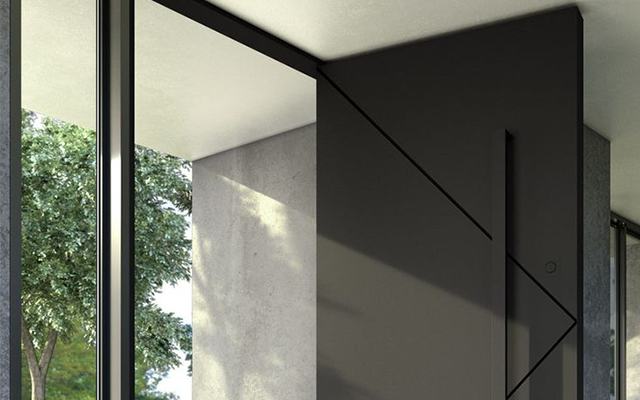
Shape and structure in modern interior doors emphasize simplicity and geometric forms. Slab doors (flat, panel-free) are the most iconic modern design, with no decorative panels or moldings—their smooth surface creates a minimalist look that works well in small spaces or open-concept homes. Some modern doors feature subtle texture, such as vertical grooves, horizontal lines, or a slight curve, adding visual interest without compromising the minimalist aesthetic. Bi-fold doors, which fold in on themselves, are another modern option—they are space-efficient and often used for closets or laundry rooms, with glass panels or solid surfaces that align with the home’s color palette.
Hardware selection is a critical detail in modern interior door design, as it adds both functionality and style. Modern hardware is often sleek and understated, with lever handles in matte black, brushed stainless steel, or brass finishes that complement the door’s material. Hidden hinges (concealed within the door frame) are popular in modern design, as they eliminate the visual distraction of traditional hinges, creating a clean, seamless look. For sliding or barn doors, modern hardware includes slim metal tracks and minimalist pulls, often in black or silver, that enhance the door’s contemporary feel.
Integration with the home’s decor is essential for modern interior doors. They are often painted the same color as the walls to create a “invisible” look that expands the space, or in a contrasting color (like black against white walls) to make a bold statement. Modern doors also prioritize soundproofing and energy efficiency, with solid core or insulated designs that reduce noise transfer between rooms—important for open-concept homes or homes with home offices. With their focus on simplicity, functionality, and style, modern interior doors are a key element in creating a contemporary, cohesive home that feels both spacious and sophisticated.







 CN
CN