

Time:2025-08-21 Views:0
Outdoor straight staircases serve as essential connectors between different outdoor levels, from patios and decks to gardens and entryways, combining functionality with architectural appeal. Unlike their indoor counterparts, these staircases must withstand relentless exposure to rain, snow, UV radiation, and temperature fluctuations, making durability and weather resistance their defining features. A well-designed outdoor straight staircase not only provides safe passage but also enhances the overall aesthetic of a landscape, whether through sleek modern lines or rustic charm. This guide explores the unique considerations of outdoor straight staircases, including material selection, weatherproofing, safety standards, installation techniques, and design integration with outdoor environments, ensuring they stand the test of time while complementing their surroundings.
Designing for the Elements: Weather Resistance as a Priority
Outdoor straight staircases face a host of environmental challenges that demand specialized design strategies. Water management is paramount: standing water can lead to corrosion, slipping hazards, and freeze-thaw damage in cold climates. To address this, outdoor staircases often feature open risers (absent or slotted vertical elements between treads) that allow rain and snowmelt to drain freely, preventing pooling. Treads may also be sloped slightly (1/4 inch per foot) toward the outer edge to direct water away from the staircase structure, reducing the risk of ice formation in winter.
Temperature fluctuations cause metal components to expand and contract, which can lead to warping or loosening over time. Outdoor straight staircases are therefore designed with expansion gaps between connected parts—for example, between treads and stringers or between the staircase and adjacent structures like walls or decks. These gaps accommodate thermal movement, preserving the staircase’s structural integrity. In regions with extreme temperature swings, flexible fasteners (such as rubber-gasketed bolts) are used to further mitigate stress from expansion and contraction.
UV radiation can fade finishes, weaken non-metal components (like wooden treads or painted surfaces), and degrade plastics over time. For metal staircases, UV-resistant powder coatings or galvanization protect against both sun damage and corrosion, ensuring the finish remains vibrant and protective. For composite materials, such as wood-plastic treads, UV stabilizers are added during manufacturing to prevent fading and brittleness.
Pest resistance is another consideration, especially in wood-inclusive designs. Outdoor staircases with wooden components often use pressure-treated lumber or naturally rot-resistant woods (like cedar or teak) to deter insects and fungi. Metal staircases, by contrast, are inherently pest-proof, though leaf litter and debris trapped in crevices can attract pests, making regular cleaning essential.
Material Selection: Balancing Strength and Weather Resistance
The choice of materials for an outdoor straight staircase is critical, as each option offers distinct advantages in terms of durability, maintenance, and aesthetics. Galvanized steel is a top choice for its exceptional resistance to rust and affordability. The galvanization process coats steel with a layer of zinc, which acts as a sacrificial barrier—corroding itself to protect the underlying metal. Galvanized steel is ideal for high-moisture environments, such as coastal areas or regions with heavy rainfall, and can be painted or powder-coated for added protection and color customization. Its strength makes it suitable for both residential and commercial outdoor staircases, from deck access to public park pathways.
Aluminum is valued for its lightweight nature and natural resistance to corrosion, making it easy to install and maintain. Unlike steel, aluminum does not rust; instead, it forms a protective oxide layer when exposed to air, which self-heals if scratched. This makes it an excellent choice for outdoor staircases in humid or salty environments. Aluminum can be anodized to enhance its durability and create a range of matte or metallic finishes, or powder-coated in bold colors to complement outdoor decor. While aluminum is less strong than steel, it is sufficient for most residential applications and light commercial use, such as outdoor staircases leading to cafes or small offices.
Stainless steel represents a premium option, offering unmatched resistance to corrosion, staining, and discoloration. Its chromium content forms a passive oxide layer that repels moisture and chemicals, making it ideal for harsh environments like poolside areas, industrial facilities, or coastal regions with salt spray. Stainless steel’s sleek, modern appearance—whether polished to a mirror finish or brushed for a subtle texture—adds a high-end touch to luxury homes, hotels, or public spaces. However, its higher cost and increased weight (compared to aluminum) make it less practical for budget projects or long spans without additional structural support.
Composite materials combine metal framing with weather-resistant treads, blending durability with aesthetic variety. For example, a steel or aluminum frame paired with concrete treads creates a rugged, low-maintenance staircase suitable for industrial or rustic landscapes. Similarly, stone treads (like bluestone or granite) with metal stringers add a natural, timeless look to garden pathways or entryways. These composites leverage the strength of metal while incorporating materials that complement outdoor surroundings, though they may require more frequent inspection to ensure the treads remain securely attached to the metal frame.
Safety Standards for Outdoor Environments
Outdoor straight staircases must adhere to stringent safety standards to account for slippery conditions, uneven terrain, and exposure to the elements. Tread and riser dimensions follow similar guidelines to indoor staircases but with additional considerations for outdoor use. Tread depths are typically 11 to 12 inches (deeper than indoor standards) to provide more stable footing, especially when users are carrying items like groceries or gardening supplies. Riser heights remain between 7 and 7.5 inches, with strict uniformity to prevent tripping—a critical detail in outdoor spaces where distractions (like uneven ground or landscaping) may increase the risk of missteps.
Non-slip surfaces are mandatory for outdoor treads, as rain, snow, or dew can create hazardous conditions. Metal treads may feature raised patterns (like diamond plating or cast textures), abrasive coatings (such as grit-infused paint), or attached rubber inserts to enhance traction. Concrete or stone treads often include brushed finishes or grooves that channel water away while providing grip. For wooden treads, grooved or scored surfaces prevent slipping, though regular sealing is needed to maintain texture and resist water damage.
Handrails and guards are essential for outdoor staircases, especially those with a rise of 30 inches or more. Handrails must be between 34 and 38 inches high, with a diameter that allows a secure grip (1.25 to 2 inches). Unlike indoor handrails, outdoor versions are often made from weather-resistant materials: galvanized steel, aluminum, or stainless steel with powder-coated or anodized finishes. Guards (vertical barriers along open sides) must be at least 36 inches high, with balusters spaced no more than 4 inches apart to prevent children or pets from slipping through. In areas with high winds, guards may be reinforced with additional supports to prevent swaying.
Visibility is a unique safety consideration for outdoor staircases, especially those used at night. Integrating low-voltage LED lights into tread nosings, handrails, or stringers illuminates the staircase, reducing the risk of falls after dark. Solar-powered lights are a sustainable option, charging during the day and activating automatically at dusk. Light-colored finishes or reflective strips on tread edges also enhance visibility in low light.
Installation: Adapting to Outdoor Terrain
Installing an outdoor straight staircase requires adapting to uneven ground, varying soil types, and the need for long-term stability. Site preparation begins with grading the area to ensure a level base for the staircase. This may involve excavating soil, adding compacted gravel for drainage, or pouring a concrete pad to support the bottom landing. For staircases attached to decks or patios, the connection point must be reinforced to withstand the staircase’s weight and external forces like wind or soil pressure.
Anchoring is critical for preventing shifting, especially in loose or sandy soil. The bottom stringers (supporting the lowest treads) are often anchored to concrete footings, which are poured below the frost line to avoid heaving during freeze-thaw cycles. In regions with mild climates, concrete blocks or gravel-filled post holes may suffice, but in colder areas, footings must extend deep enough to remain stable when the ground freezes. The top of the staircase is secured to the upper landing (deck, porch, or foundation) using heavy-duty bolts or brackets, ensuring a rigid connection that resists lateral movement.
Stringer placement must account for outdoor terrain. Unlike indoor staircases, which are installed on flat, level floors, outdoor staircases may ascend slopes or connect uneven surfaces. Stringers are cut to match the total rise and run of the space, with precise notching to ensure treads remain horizontal. For sloped ground, stringers may be adjusted with shims or custom cuts to maintain level treads, a process that requires careful measurement and fabrication.
Drainage integration is often part of the installation process. Gravel or perforated drainage pipes may be placed around the base of the staircase to redirect water away from footings, preventing erosion and extending the staircase’s lifespan. In areas with heavy rainfall, a French drain (a gravel-filled trench with a perforated pipe) alongside the staircase can further protect the foundation.
Professional installation is highly recommended for outdoor straight staircases, as improper anchoring or grading can lead to instability, corrosion, or safety hazards. Experienced installers understand how to navigate outdoor challenges, from rocky soil to extreme weather, ensuring the staircase meets both safety standards and design goals.
Maintenance: Preserving Outdoor Staircases Through the Seasons
Outdoor straight staircases require regular maintenance to withstand the elements and remain safe. Seasonal cleaning is essential: in spring, remove debris (like leaves, twigs, or pine needles) that accumulated over winter, as trapped moisture can accelerate corrosion or rot. Use a soft brush or low-pressure hose to clean treads and stringers, avoiding high-pressure washers that can damage finishes or dislodge non-slip coatings. In fall, clear fallen leaves to prevent mold growth and clogging of drainage gaps.
Corrosion prevention is ongoing for metal components. Inspect galvanized steel staircases annually for signs of zinc erosion (dull, patchy areas) and treat affected spots with a zinc-rich primer. For painted or powder-coated metal, touch up chips or scratches with matching paint to seal the metal from moisture. Stainless steel staircases may develop water spots, which can be removed with a stainless steel cleaner and a soft cloth, while aluminum staircases benefit from periodic wiping to maintain their oxide layer.
Traction maintenance ensures treads remain safe year-round. Replace worn rubber inserts or reapply abrasive coatings to metal treads as needed, especially before winter. For wooden treads, reseal or restain every 1–2 years to prevent warping or splintering, which can create tripping hazards. Concrete or stone treads may require occasional power washing to remove moss or algae, which thrive in damp conditions and reduce traction.
Winter care is critical in cold climates. Clear snow from treads and handrails promptly using a plastic shovel (to avoid scratching metal finishes) and apply non-corrosive de-icing salts (like calcium chloride) to prevent ice formation. Avoid using rock salt, which can damage metal components and concrete. For particularly icy conditions, installing temporary anti-slip mats on treads provides extra protection.
Structural inspections should be conducted twice a year (spring and fall) to check for loose bolts, welds, or treads. Look for signs of rust around connections, which can weaken fasteners, and tighten or replace hardware as needed. Ensure that stringers remain securely anchored to footings and that drainage systems are unclogged, preventing water from pooling around the staircase’s base.
Design Integration: Blending with Outdoor Landscapes
Outdoor straight staircases should complement their surroundings, enhancing the landscape rather than detracting from it. Rustic designs pair galvanized steel or weathered aluminum with natural materials like stone treads, cedar handrails, or rough-hewn wooden risers, blending seamlessly with gardens, wooded areas, or cottage-style homes. These staircases often feature exposed stringers with a raw, industrial look, complementing natural elements like boulders, shrubs, or flagstone pathways.
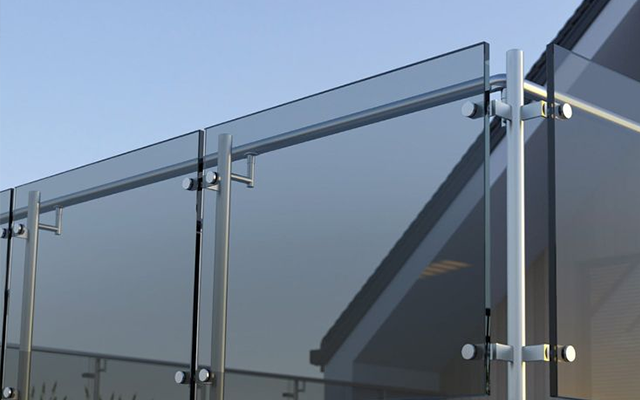
Contemporary designs prioritize sleek lines and minimalism, using stainless steel or powder-coated aluminum with glass guards or horizontal metal balusters. These staircases work well with modern homes, rooftop gardens, or urban patios, where clean aesthetics and space efficiency are key. Treads may be made from concrete, composite materials, or even glass (for a transparent, floating effect), reflecting light and creating a sense of openness.
Natural integration involves incorporating the staircase into existing landscaping. For example, a straight metal staircase with open risers can be surrounded by low-growing plants or groundcover, allowing greenery to flow around and through the structure. Treads made from local stone or reclaimed wood further connect the staircase to its environment, reducing its visual impact. In some cases, the staircase may be built into a slope, with retaining walls on either side that double as planters, softening the transition between levels.
Lighting design enhances both safety and aesthetics. LED strip lights embedded in tread nosings cast a warm glow, highlighting the staircase’s 轮廓 (outline) at night, while spotlights aimed at nearby trees or shrubs create a cohesive outdoor lighting scheme. For a subtle effect, recessed lights in stringers or handrails illuminate the path without overwhelming the space, making the staircase a focal point after dark.
Applications: Versatile Outdoor Connections
Outdoor straight staircases serve a variety of purposes, adapting to different outdoor spaces and user needs. Residential applications include staircases leading from driveways to front porches, connecting decks to backyards, or descending from patios to garden levels. In these settings, the staircase often doubles as a design feature, with materials chosen to match the home’s exterior—for example, a brick home with a galvanized steel staircase and stone treads, or a modern glass-and-steel home with a stainless steel staircase and concrete treads.
Commercial and public spaces rely on outdoor straight staircases for durability and high traffic. Parks, boardwalks, and public plazas use galvanized steel or concrete staircases with non-slip treads to accommodate large crowds, while restaurants and hotels may opt for more decorative designs—like aluminum staircases with powder-coated finishes and glass guards—to enhance outdoor seating areas. Industrial sites, such as warehouses or manufacturing facilities, use heavy-gauge steel staircases with grated treads for easy cleaning and resistance to heavy loads.
Recreational areas benefit from outdoor straight staircases designed for durability and safety. Trails in parks or nature reserves may include metal staircases with wooden treads to navigate steep slopes, while pool areas use stainless steel staircases with non-slip surfaces to withstand constant exposure to water and chlorine. These staircases are often designed to blend with their recreational purpose, with finishes that resist fading from sun exposure and materials that withstand rough use.
Conclusion: Outdoor Straight Staircases as Functional Art
Outdoor straight staircases are more than utilitarian structures—they are functional art pieces that connect spaces, enhance safety, and reflect the character of their surroundings. By prioritizing weather resistance, safety, and design integration, these staircases withstand the elements while adding value to outdoor environments. Whether in a residential garden, a bustling commercial plaza, or a serene park, a well-designed outdoor straight staircase balances durability with beauty, proving that even the most practical structures can elevate the landscapes they inhabit.
As outdoor living spaces continue to grow in importance, the demand for outdoor straight staircases that combine functionality with aesthetic appeal will only increase. With advancements in materials (such as eco-friendly, recycled metals) and finishes (like UV-resistant, colorfast coatings), these staircases are poised to remain essential elements of outdoor design, adapting to changing climates and evolving tastes while standing firm as reliable, enduring connections between the levels of our outdoor world.









 CN
CN