

Time:2025-03-24 Views:0
The front door of a home is not only a practical entry point but also a crucial element in establishing the overall aesthetic of the property. UPVC (Unplasticized Polyvinyl Chloride) front doors have gained significant popularity in recent years due to their unique combination of durability, energy efficiency, and design versatility. This article will comprehensively explore the various aspects of UPVC front door designs, including their construction, the advantages they offer, different design styles available, customization options, and maintenance requirements.
Construction of UPVC Front Doors
Material Composition
UPVC is a type of rigid plastic that is highly resistant to environmental factors. It is made from polyvinyl chloride resin, which is combined with stabilizers, fillers, and colorants during the manufacturing process. The stabilizers help protect the material from the harmful effects of sunlight, heat, and moisture, ensuring its long - term durability. Fillers are added to enhance the strength and stiffness of the UPVC, while colorants are used to achieve the desired color and finish.
Door Structure
UPVC front doors typically consist of a frame and one or more panels. The frames are extruded into specific shapes, which are designed to provide maximum strength and stability. The panels can be solid UPVC, or they may incorporate glass inserts. When glass is used, it is held securely in place within the UPVC frame using gaskets and glazing beads. These components not only ensure a tight seal around the glass but also contribute to the overall energy - efficiency of the door.
Reinforcement
To further enhance the strength of UPVC front doors, many manufacturers use internal reinforcement. This usually involves inserting metal or composite materials into the hollow sections of the UPVC frame. The reinforcement provides additional support, making the door more resistant to impact and forced entry. It also helps to prevent warping or sagging over time, especially in larger door sizes.
Advantages of UPVC Front Door Designs
Durability
One of the most significant advantages of UPVC front doors is their durability. UPVC is highly resistant to corrosion, rust, and rot, unlike traditional materials such as wood. It can withstand harsh weather conditions, including rain, wind, and extreme temperatures, without deteriorating. The material is also resistant to scratches and dents, which helps to keep the door looking new for longer. With proper maintenance, a UPVC front door can last for decades, making it a cost - effective investment.
Energy Efficiency
UPVC front doors are known for their excellent energy - efficient properties. The material has a low thermal conductivity, which means it does not transfer heat easily. This helps to keep the indoor temperature stable, reducing the need for excessive heating or cooling. In addition, the tight seals around the door panels and the use of energy - efficient glass options, such as double - glazing or low - E glass, further enhance the door's insulation capabilities. By reducing energy consumption, UPVC front doors can help homeowners save money on their utility bills while also contributing to a more sustainable environment.
Low Maintenance
Compared to other types of front doors, UPVC front doors require very little maintenance. The smooth surface of UPVC does not absorb dirt or moisture, making it easy to clean. A simple wipe down with a damp cloth and mild detergent is usually sufficient to keep the door looking clean and presentable. UPVC does not need to be painted or stained regularly, as the color is integrated into the material during manufacturing. This not only saves time and effort but also eliminates the need for costly maintenance procedures.
Security
Security is a top concern for homeowners, and UPVC front doors offer excellent security features. The rigid nature of UPVC makes it difficult for intruders to break through the door. The doors can be equipped with multi - point locking systems, which engage at multiple points along the frame, providing a more secure seal. Reinforced frames and impact - resistant glass can also be added to further enhance the door's security. Additionally, UPVC doors can be designed with special features such as anti - drill plates and security hinges, which make it even more challenging for burglars to gain access.
Design Versatility
UPVC front doors come in a wide range of design styles, making it easy to find a door that complements the architecture of any home. Whether you prefer a traditional, modern, or contemporary look, there is a UPVC front door design to suit your taste. The doors can be customized with different panel configurations, glass options, and hardware finishes. UPVC can also be made to mimic the appearance of other materials, such as wood or wrought iron, through the use of specialized finishes and textures.
Design Styles of UPVC Front Doors
Traditional Styles
1. Panel - Style Doors: Traditional panel - style UPVC front doors feature raised or recessed panels, which add a classic and elegant touch to the entrance. These doors often have a symmetrical design, with multiple panels arranged in a grid pattern. The panels can be plain or adorned with decorative moldings, giving the door a more elaborate look. Panel - style UPVC doors are available in a variety of colors, but classic shades such as white, cream, and brown are popular choices for traditional homes.
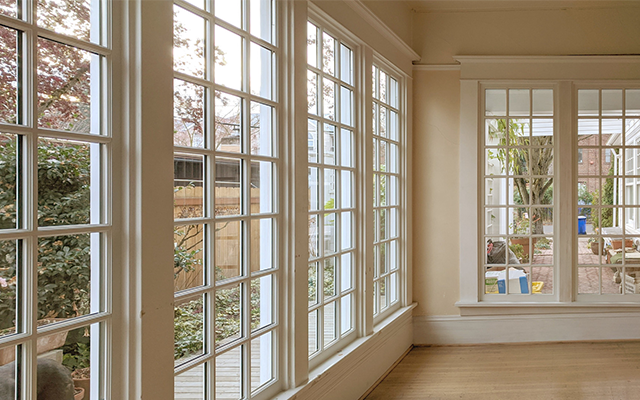
2. Georgian - Inspired Doors: Georgian - inspired UPVC front doors are characterized by their rectangular glass panes, which are divided by slim muntins. These doors often have a simple and refined design, with a symmetrical layout. The muntins can be made of UPVC or simulated wood, adding to the authenticity of the design. Georgian - style doors are well - suited for period properties or homes with a traditional architecture.
Modern Styles
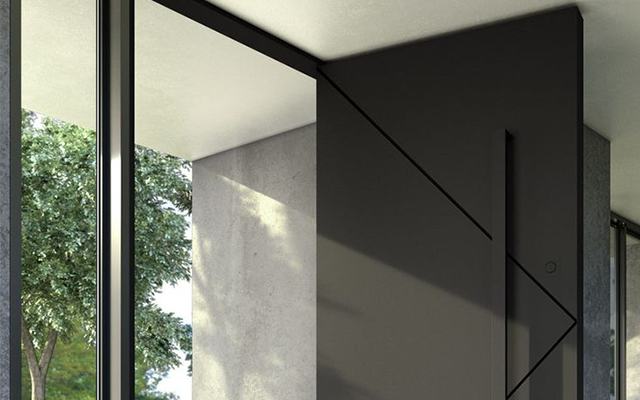
1. Minimalist Doors: Modern minimalist UPVC front doors feature clean lines, smooth surfaces, and a simple color palette. These doors often have large glass panels, which allow for maximum natural light to enter the home. The frames are typically sleek and unobtrusive, creating a contemporary and open look. Minimalist UPVC doors are available in a range of colors, including bold and vibrant hues, as well as neutral tones such as black, white, and gray.
2. Industrial - Style Doors: Industrial - style UPVC front doors draw inspiration from the industrial architecture of the past. These doors often feature exposed hardware, such as hinges and handles, and a rugged, utilitarian design. The frames may have a textured finish, mimicking the look of metal or concrete. Industrial - style UPVC doors can be customized with glass inserts, which can be clear, frosted, or tinted, depending on the desired level of privacy and light.
Contemporary Styles
1. Bi - Fold and Sliding Doors: Bi - fold and sliding UPVC front doors are popular choices for contemporary homes, as they offer a seamless transition between indoor and outdoor spaces. Bi - fold doors consist of multiple panels that fold together when opened, creating a wide, unobstructed opening. Sliding doors, on the other hand, operate by sliding horizontally along a track. Both types of doors can be designed with large glass panels, providing an unobstructed view of the outdoors. Bi - fold and sliding UPVC doors are available in a variety of colors and finishes, allowing for customization to match the overall design of the home.
2. Unique Shapes and Designs: Contemporary UPVC front doors often feature unique shapes and designs, which make a statement and add a touch of individuality to the home. These doors can be designed with curved frames, angled panels, or asymmetrical layouts. They may also incorporate innovative features such as smart locks, video doorbells, or energy - efficient lighting systems. Contemporary UPVC front doors are a great choice for homeowners who want to showcase their creativity and modern taste.
Customization Options for UPVC Front Doors
Color and Finish
UPVC front doors are available in a wide range of colors and finishes, allowing for complete customization. The most common colors include white, cream, black, gray, brown, and various wood - effect finishes. The finishes can be smooth, textured, or embossed, depending on the desired look. Powder coating is a popular finishing method for UPVC doors, as it provides a durable and long - lasting color. In addition, some manufacturers offer the option of custom - matching the door color to the existing color scheme of the home.
Glass Options
The glass used in UPVC front doors can be customized to suit different needs and preferences. Clear glass is a popular choice for those who want an unobstructed view and maximum natural light. Frosted or textured glass is used when privacy is desired, as it obscures the view while still allowing some light to pass through. Patterned glass, such as stained - glass - like designs or geometric patterns, can add a decorative touch to the door. Energy - efficient glass options, such as double - glazing, triple - glazing, and low - E glass, are also available, which can help to improve the insulation and energy performance of the door.
Hardware Selection
The hardware on a UPVC front door not only serves a functional purpose but also contributes to its overall design. Door handles come in a variety of styles, from simple and ergonomic designs to more elaborate and decorative ones. The handles can be made of metal, plastic, or a combination of both, and are available in different finishes, such as chrome, brass, nickel, or black. Locks and deadbolts are also important hardware components, and they can be selected based on the level of security required. In addition, hinges, letterboxes, and knockers can be chosen to complement the style of the door.
Installation and Maintenance of UPVC Front Doors
Installation
The installation of UPVC front doors should be carried out by a professional installer to ensure a proper fit and optimal performance. The installer will first measure the door opening accurately to ensure that the new door fits correctly. The old door and frame will be removed, and the opening will be prepared by cleaning and leveling the surface. The new UPVC door will then be carefully installed, and the frame will be secured in place using screws or anchors. The door will be adjusted to ensure that it opens and closes smoothly, and the hardware will be installed and tested.
Maintenance
Maintaining a UPVC front door is relatively easy. Regular cleaning with a soft cloth and mild detergent is all that is needed to keep the door looking clean and presentable. Avoid using ab UPVC Door Locks: A Comprehensive Look at Security, Function, and Selection
In the realm of home security and access control, UPVC door locks play a pivotal role. UPVC (Unplasticized Polyvinyl Chloride) doors are widely used in residential and commercial settings due to their durability, energy - efficiency, and cost - effectiveness. To ensure the safety of occupants and property, the right choice of lock for UPVC doors is crucial. This article will explore the various aspects of UPVC door locks, including their types, security features, installation, maintenance, and how to select the most suitable lock for different needs.
Types of UPVC Door Locks
Euro Cylinder Locks
Euro cylinder locks are one of the most common types of locks used in UPVC doors. They are named after their European - standard size and shape. These locks consist of a cylinder that is inserted into the door, and it has a keyway on one side and a mechanism to engage with the door's locking points on the other. Euro cylinder locks are available in different security grades.
A standard Euro cylinder lock typically has a single - cylinder design, where the key is used to lock and unlock the door from the outside, and a simple turn of a thumb - turn on the inside. However, for enhanced security, there are double - cylinder Euro cylinder locks. In these, a key is required to lock and unlock the door from both the inside and the outside. This can be useful in high - security areas or in situations where there is a risk of forced entry through breaking the glass near the lock.
The security of Euro cylinder locks is often rated according to the British Standard BS 3621. Higher - grade locks, such as those meeting the requirements of BS 3621:2018, offer better resistance to picking, drilling, and other forms of attack. They may have additional security features like anti - pick pins, hardened steel inserts to prevent drilling, and anti - snap mechanisms. Anti - snap Euro cylinders are designed to break in a specific way when force is applied, preventing the lock from being easily opened. The outer part of the cylinder snaps off, leaving the inner part still engaged with the locking mechanism, thus maintaining security.
Multi - Point Locking Systems
Multi - point locking systems are a staple in UPVC doors, providing enhanced security by engaging multiple locking points along the door frame. These systems typically consist of a main lock body, usually located in the center of the door, and additional locking points at the top and bottom of the door. When the door is locked, the main lock activates a series of bolts or hooks that extend into the door frame at these multiple points.
The main lock body can be operated by a key - cylinder, a handle - operated mechanism, or a combination of both. For example, a common setup is a handle that, when turned, simultaneously engages the bolts at the top, bottom, and sides of the door. The number of locking points can vary, but a typical UPVC door multi - point locking system may have three to five points. This distributed locking mechanism makes it much more difficult for an intruder to force the door open, as they would need to disengage all the locking points simultaneously.
Multi - point locking systems can be further enhanced with additional security features. Some systems use high - strength steel components for the bolts and hooks to resist cutting and prying. There are also options with anti - lift devices, which prevent the door from being lifted off its hinges, and anti - drill plates around the lock body to protect against drilling attacks.
Slam Locks
Slam locks, also known as auto - locking or self - locking locks, offer convenience in addition to security. As the name implies, these locks automatically lock when the door is closed. They are designed to provide a quick and easy way to secure the door without the need to manually turn a key or operate a handle - lock mechanism every time.
Slam locks for UPVC doors typically use a spring - loaded mechanism. When the door is closed, the latch on the door engages with a strike plate on the frame. The spring in the lock then automatically pushes the latch into a locked position. Some slam locks may also have a secondary deadbolt feature that can be engaged for added security, usually by turning a key or a thumb - turn.
These locks are popular in areas where quick access control is needed, such as in busy households or commercial settings. However, it's important to note that in some cases, slam locks may not offer the same level of security as other types of locks, especially if they are not properly installed or maintained. For example, if the spring mechanism weakens over time, the lock may not engage properly, leaving the door vulnerable.
Digital and Smart Locks
With the advancement of technology, digital and smart locks have made their way into the UPVC door market. Digital locks use a keypad or touch - screen interface for access. Users enter a pre - set code to unlock the door, eliminating the need for a physical key. Some digital locks also offer additional features such as the ability to change the access code easily, which can be useful for situations where multiple people need access, like in a shared accommodation or a short - term rental property.
Smart locks take digital locks a step further by integrating with home automation systems. These locks can be controlled remotely using a smartphone app. Homeowners can lock or unlock their UPVC doors from anywhere as long as they have an internet connection. Some smart locks also have features like real - time notifications when the door is opened or closed, and the ability to grant temporary access to guests or service providers. For example, a homeowner can send a one - time access code to a delivery person, who can then enter the code on the lock's keypad to drop off a package. Smart locks can also be integrated with other smart home devices, such as security cameras and motion sensors, to create a comprehensive home security system.
Security Features of UPVC Door Locks
Resistance to Forced Entry
The primary function of any door lock is to resist forced entry, and UPVC door locks are designed with several features to achieve this. The materials used in the construction of the lock are crucial. High - quality UPVC door locks often use hardened steel components for bolts, cylinders, and other critical parts. Hardened steel is much more difficult to cut, drill, or break compared to softer metals.
For example, in multi - point locking systems, the steel bolts are thick and sturdy, making it challenging for an intruder to pry them open. Euro cylinder locks with anti - drill and anti - pick features are designed to withstand common methods of forced entry. The anti - pick pins in the cylinder make it difficult for lock - picking tools to manipulate the lock mechanism, and the hardened steel inserts around the keyway prevent drilling into the cylinder.
Key Control and Duplication Prevention
Key control is an important aspect of security for UPVC door locks. Some locks, especially high - security Euro cylinder locks, come with restricted key systems. In these systems, the keys are designed in such a way that they cannot be easily duplicated. The key blanks may be patented, and only authorized locksmiths or the lock manufacturer can produce duplicates. This helps to ensure that only the intended users have access to the key, reducing the risk of unauthorized duplication and subsequent break - ins.
Digital and smart locks offer a different approach to key control. Since they use codes or digital access methods, there is no physical key to be lost or duplicated. The codes can be changed regularly, and access can be monitored and controlled remotely, providing a high level of security and flexibility.
Compatibility with UPVC Door Structure
UPVC doors have a unique structure, and the locks need to be compatible with it to function effectively. The thickness of the UPVC door, the location of the door frame, and the type of door (hinged, sliding, etc.) all influence the choice of lock. For example, Euro cylinder locks are designed to fit into the standard - sized holes in UPVC doors, and the length of the cylinder is adjusted according to the door's thickness.
Multi - point locking systems are engineered to work in tandem with the specific design of UPVC doors. The locking points are strategically placed to engage with the door frame in a way that maximizes security while still allowing for smooth operation of the door. The installation of the lock needs to be precise to ensure that the door closes and locks properly, and that there are no gaps or weak points that an intruder could exploit.
Installation of UPVC Door Locks
Pre - Installation Considerations
Before installing a UPVC door lock, several factors need to be considered. First, the type of door and its existing hardware must be evaluated. If the door has an old or malfunctioning lock, it may need to be removed carefully without damaging the door. The condition of the door frame also matters, as a damaged or misaligned frame can affect the proper functioning of the new lock.
The size and type of the lock must be compatible with the UPVC door. For example, if installing a multi - point locking system, the door should have the appropriate provisions for the additional locking points. The security requirements of the property also play a role. In a high - crime area, a more robust, high - security lock may be necessary, while in a low - risk area, a standard lock with basic security features may be sufficient.
Installation Process
The installation process for UPVC door locks can vary depending on the type of lock. For Euro cylinder locks, the first step is usually to remove the old cylinder, if present. This involves using a screwdriver or a special cylinder removal tool to unscrew the retaining screws. Once the old cylinder is removed, the new Euro cylinder is inserted into the hole in the door. The cylinder should be aligned properly, and the retaining screws are tightened to secure it in place.
Installing a multi - point locking system is a more complex process. It often requires disassembling parts of the door to access the areas where the locking components will be installed. The main lock body is mounted in the center of the door, and the bolts and hooks are installed at the top and bottom. The mechanism is then connected, and the door is tested to ensure that all the locking points engage and disengage smoothly.
Digital and smart locks may require additional steps, such as connecting to a power source (either battery - powered or hard - wired) and setting up the digital interface. This may involve downloading an app, pairing the lock with a Wi - Fi network, and programming the access codes or other digital access methods.
Post - Installation Testing
After installation, thorough testing of the UPVC door lock is essential. The lock should be tested for proper operation, both from the inside and the outside of the door. For key - operated locks, the key should turn smoothly, and the lock should engage and disengage without any resistance. In the case of multi - point locking systems, all the locking points should be checked to ensure that they are engaging fully with the door frame.
Digital and smart locks need to be tested for their digital functionality. The access codes should be entered correctly, and the lock should respond as expected. The remote control features, if applicable, should also be tested to ensure that the lock can be locked and unlocked from a distance. Any issues detected during testing should be addressed immediately, either by adjusting the lock or seeking professional help.
Maintenance of UPVC Door Locks
Regular Cleaning
Regular cleaning is important for the proper functioning of UPVC door locks. Dirt, dust, and grime can accumulate in the lock mechanism, especially in the keyway and around the moving parts. This can cause the lock to become stiff and difficult to operate. To clean the lock, a soft brush, such as a toothbrush, can be used to gently remove the debris from the keyway.
For the exterior of the lock, a mild detergent and water solution can be used to clean the surface. Avoid using abrasive cleaners, as they can scratch the finish of the lock and potentially damage the metal components. After cleaning, the lock should be dried thoroughly to prevent rusting, especially in areas with high humidity.
Lubrication
Lubrication is crucial for the smooth operation of UPVC door locks. The moving parts of the lock, such as the bolts, hinges (in some cases), and the internal mechanisms of the cylinder, need to be lubricated regularly. A silicone - based lubricant is recommended for UPVC door locks, as it does not attract dust and provides long - lasting lubrication.
Apply a small amount of lubricant to the keyway, the bolt channels, and any other moving parts. Be careful not to over - lubricate, as excess lubricant can attract dirt and cause more problems. For multi - point locking systems, make sure to lubricate all the bolts and the connecting rods to ensure that they move freely. Regular lubrication can extend the lifespan of the lock and prevent premature wear and tear.
Inspection
Regular inspections of UPVC door locks are necessary to detect any signs of damage or malfunction. Check the lock for any visible signs of wear, such as scratches, dents, or rust. The keyway should be inspected for any signs of tampering, such as drill marks. For multi - point locking systems, check that all the locking points are in good condition and that the bolts are not bent or damaged.
The operation of the lock should also be inspected. The key should turn smoothly, and the lock should engage and disengage without any unusual noises or resistance. If any issues are detected during the inspection, they should be addressed promptly. For example, a stiff lock may need further lubrication, or a damaged bolt may need to be replaced.
Selecting the Right UPVC Door Lock
Assessing Security Needs
The first step in selecting the right UPVC door lock is to assess the security needs of the property. Consider factors such as the location of the property (e.g., in a high - crime area or a low - risk neighborhood), the value of the property and its contents, and the number of people who will have access to the door. In a high - security environment, a high - grade Euro cylinder lock with anti - pick, anti - drill, and anti - snap features, combined with a multi - point locking system, may be the best choice.
For a family home in a relatively safe area, a standard Euro cylinder lock with a multi - point locking system may provide sufficient security. If there are concerns about children or elderly family members using the lock, a lock with an easy - to - operate mechanism, such as a slam lock with a simple thumb - turn, may be more suitable.
Budget Considerations
Budget is an important factor when choosing a UPVC door lock. Locks can range in price from relatively inexpensive basic models to high - end, feature - rich security locks. It's important to balance the security needs with the budget. While it may be tempting to choose the cheapest option, it's crucial to ensure that the lock provides an adequate level of security.
For example, a digital or smart lock may be more expensive upfront but can offer added convenience and enhanced security features, such as remote access and real - time monitoring. On the other hand, a simple Euro cylinder lock and multi - point locking system can provide good security at a more affordable price. Consider the long - term cost as well, including maintenance and potential replacement costs. A higher - quality lock may require less maintenance and last longer, making it a more cost - effective choice in the long run.
Compatibility and Aesthetic Appeal
The lock selected for a UPVC door must be compatible with the door's structure and existing hardware. Ensure that the size and type of the lock are suitable for the door. For example, a large, heavy - duty lock may not be appropriate for a small, lightweight UPVC door.
Aesthetic appeal is also a consideration, especially in residential settings. The lock should blend in with the overall design of the door and the property. UPVC door locks are available in various finishes, such as chrome, brass, and black, to match different door styles and color schemes. A lock that complements the aesthetics of the door can enhance the overall appearance of the property while still providing the necessary security.
In conclusion, UPVC door locks come in a variety of types, each with its own set of security features, installation requirements, and maintenance needs. By understanding these aspects and carefully assessing security needs, budget, and compatibility, homeowners and property managers can select the most suitable UPVC door lock to ensure the safety and security of their property. Regular maintenance of the lock is also essential to keep it functioning properly and to extend its lifespan.
rasive cleaners, as they can scratch the surface of the UPVC. The hinges, locks, and handles should be lubricated periodically with a silicone - based lubricant to ensure smooth operation. Check the door seals and weatherstripping regularly for any signs of wear or damage, and replace them if necessary to maintain the door's energy - efficiency and water - resistance. In the event of a minor scratch or blemish, touch - up paint can be used to repair the surface.
Conclusion
UPVC front door designs offer a wide range of benefits, including durability, energy efficiency, low maintenance, security, and design versatility. With their ability to mimic the look of other materials and their extensive customization options, UPVC front doors can be tailored to suit any home's architectural style and the homeowner's personal taste. Whether you prefer a traditional, modern, or contemporary look, there is a UPVC front door design that can enhance the beauty and functionality of your home. By investing in a high - quality UPVC front door and ensuring proper installation and maintenance, you can enjoy a long - lasting and attractive entrance to your home for years to come.









 CN
CN