



Time:2026-06-09 Views:0
Powder-coated aluminum windows have become one of the most popular choices in modern architecture and home design, thanks to their exceptional durability, aesthetic versatility, and environmental friendliness. Unlike traditional painting methods that rely on liquid coatings, powder coating involves applying a dry, free-flowing powder to the aluminum surface, which is then cured under high heat to form a hard, protective layer. This unique process not only enhances the performance of aluminum windows but also offers a wide range of design possibilities, making them suitable for both residential and commercial applications. In this detailed guide, we will explore the key features, benefits, manufacturing process, maintenance requirements, and application scenarios of powder-coated aluminum windows, providing a comprehensive understanding of why they are a superior choice for any building project.
First, it is essential to understand what powder coating is and how it differs from other finishing methods. Powder coating is a dry finishing process that uses finely ground particles of resin and pigment. These particles are electrostatically charged and sprayed onto the aluminum surface, which is grounded to attract the charged powder. Once the powder is applied, the window frames are placed in an oven at temperatures between 160°C and 200°C (320°F and 392°F) for a specific period, typically 15 to 30 minutes. During this curing process, the powder particles melt, flow, and fuse together to form a smooth, uniform, and highly adherent coating. This process eliminates the need for solvents, which are commonly used in liquid paints, making powder coating a more environmentally friendly option.
One of the most significant advantages of powder-coated aluminum windows is their exceptional durability. The cured powder coating forms a hard, resistant layer that is highly resistant to scratches, chips, fading, and corrosion. Unlike liquid paint, which can peel or crack over time, powder coating bonds tightly to the aluminum surface, creating a barrier that protects the metal from environmental factors such as moisture, UV radiation, and harsh weather conditions. This durability ensures that powder-coated aluminum windows maintain their appearance and performance for decades, even in extreme climates. For example, in coastal areas where saltwater and humidity can cause rapid corrosion of uncoated aluminum, powder-coated windows remain intact and attractive, requiring minimal maintenance.
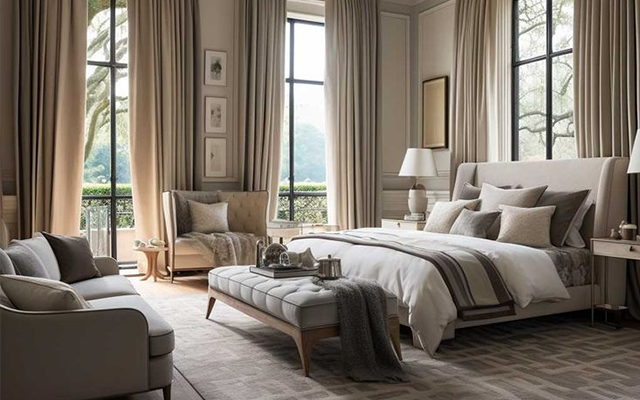
Another key benefit of powder-coated aluminum windows is their aesthetic versatility. Powder coatings are available in a wide range of colors, finishes, and textures, allowing homeowners and designers to customize the windows to match any architectural style or design vision. From bold, vibrant colors to subtle, neutral tones, from glossy to matte finishes, and even textured surfaces that mimic wood, stone, or other materials, powder coating offers endless possibilities. This versatility makes powder-coated aluminum windows suitable for a variety of building styles, including modern, contemporary, traditional, and industrial. Whether you are building a new home, renovating an existing one, or designing a commercial building, powder-coated aluminum windows can be tailored to complement the overall design aesthetic.
In addition to durability and aesthetics, powder-coated aluminum windows are also highly energy-efficient. Aluminum is a good conductor of heat, but when combined with a powder coating and insulated glass, it can provide excellent thermal performance. The powder coating acts as an additional thermal barrier, reducing heat transfer through the window frames. When paired with double or triple glazing, low-emissivity (Low-E) glass, and thermal breaks, powder-coated aluminum windows can help reduce energy consumption by keeping the interior of the building cool in summer and warm in winter. This not only lowers utility bills but also contributes to a more sustainable and eco-friendly building.
The manufacturing process of powder-coated aluminum windows is also worth noting for its efficiency and environmental benefits. Unlike liquid painting, which produces volatile organic compounds (VOCs) that are harmful to the environment and human health, powder coating is a solvent-free process. This means that it does not release VOCs into the atmosphere, making it a greener alternative. Additionally, any overspray from the powder coating process can be collected and reused, reducing waste. The curing process is also energy-efficient, as modern ovens are designed to use less energy while ensuring consistent and high-quality results. This combination of environmental friendliness and efficiency makes powder-coated aluminum windows a responsible choice for environmentally conscious builders and homeowners.
Maintenance of powder-coated aluminum windows is relatively simple and straightforward. Unlike wood windows, which require regular painting, staining, or sealing, powder-coated windows only need occasional cleaning to maintain their appearance. A mild detergent and water solution, along with a soft cloth or sponge, is sufficient to remove dirt, dust, and grime. It is important to avoid using abrasive cleaners or tools, as these can scratch the powder coating. In the event of a small scratch or chip, touch-up kits are available to repair the damage, ensuring that the window remains protected and attractive. With proper maintenance, powder-coated aluminum windows can last for 20 to 30 years or more, making them a long-term investment.
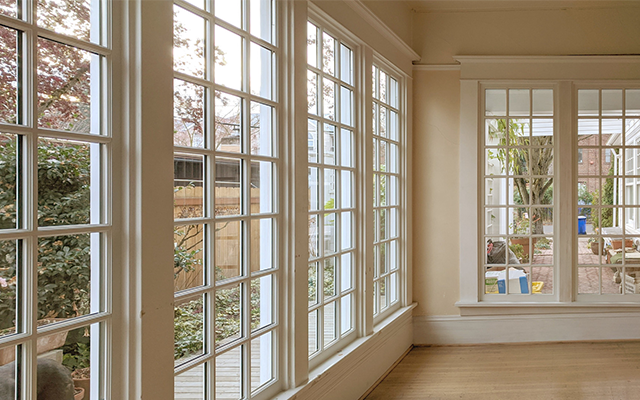
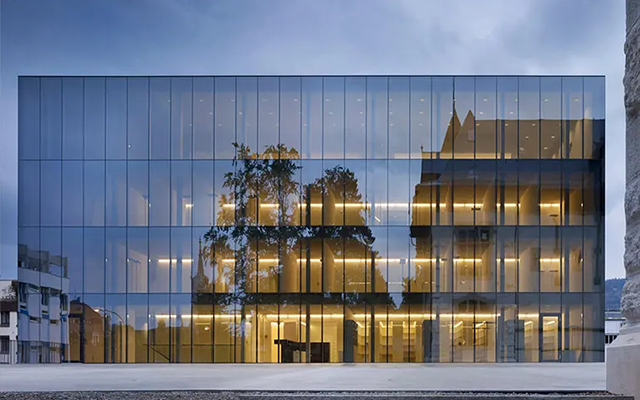
When it comes to application scenarios, powder-coated aluminum windows are suitable for a wide range of residential and commercial buildings. In residential settings, they are commonly used in single-family homes, apartments, townhouses, and condominiums. They can be installed in various rooms, including living rooms, bedrooms, kitchens, and bathrooms, as well as in patio doors and sliding doors. In commercial buildings, powder-coated aluminum windows are used in offices, retail stores, hotels, hospitals, schools, and industrial facilities. Their durability, aesthetic versatility, and energy efficiency make them ideal for high-traffic areas and buildings that require low maintenance and long-lasting performance.
There are also several factors to consider when choosing powder-coated aluminum windows. First, it is important to select a high-quality powder coating that is designed for exterior use. Look for coatings that are resistant to UV radiation, fading, and corrosion. Additionally, the thickness of the powder coating is important; a thicker coating will provide better protection and durability. The type of aluminum used is also a factor; extruded aluminum frames are stronger and more durable than rolled aluminum. It is also important to choose a reputable manufacturer and installer who has experience with powder-coated aluminum windows, as proper installation is crucial for ensuring optimal performance.
In conclusion, powder-coated aluminum windows offer a unique combination of durability, aesthetic versatility, energy efficiency, and environmental friendliness. Their unique manufacturing process creates a protective coating that is resistant to scratches, chips, fading, and corrosion, ensuring long-lasting performance. With a wide range of colors, finishes, and textures, they can be customized to match any design vision, making them suitable for both residential and commercial applications. Their low maintenance requirements and energy-saving benefits make them a cost-effective and sustainable choice for any building project. Whether you are building a new home or renovating an existing one, powder-coated aluminum windows are an excellent investment that will enhance the beauty, functionality, and value of your property for years to come.







 CN
CN