






Time:2026-03-09 Views:0
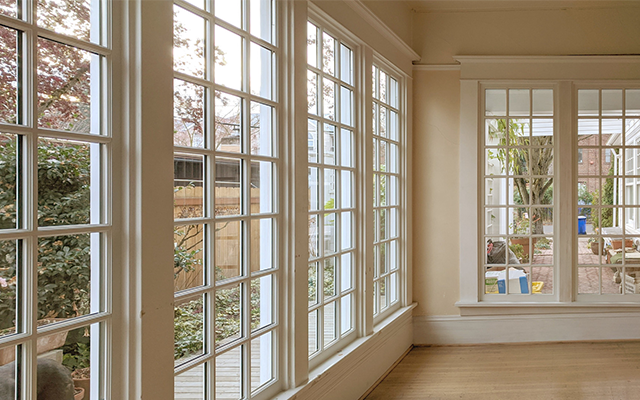
Over time, solid wood windows may require repair and refinishing to address issues such as rot, cracks, peeling paint, or fading, ensuring that they continue to perform well and maintain their aesthetic appeal. The first step in the repair process is to inspect the window thoroughly to identify any damage. Common issues include rot in the frame or sash, which is often caused by water infiltration, and cracks or splits in the wood due to temperature changes or age. For minor rot, remove the damaged wood using a chisel or sandpaper, then treat the area with a wood hardener to strengthen the remaining wood. For more severe rot, replace the damaged section of the frame or sash with a new piece of matching solid wood, ensuring a precise fit and secure attachment.
After completing any necessary repairs, refinishing the solid wood window is essential to protect the wood from the elements and restore its original beauty. Start by removing the existing finish (paint or stain) using sandpaper or a chemical stripper, working in the direction of the wood grain to avoid damaging the surface. Once the wood is stripped bare, sand it smooth with fine-grit sandpaper to prepare it for the new finish. Next, apply a wood conditioner to ensure even absorption of the stain or paint, especially for softwoods like pine that may absorb finish unevenly. Choose a high-quality exterior stain or paint that is specifically formulated for solid wood, as these products offer superior protection against UV rays, moisture, and wear. Apply the finish in thin, even coats, allowing each coat to dry completely before applying the next. For optimal protection, apply two to three coats of stain or paint, followed by a clear topcoat if desired. Regular maintenance, including annual inspections and touch-ups, will help extend the life of the refinished window and keep it looking its best for years to come.







 CN
CN