







Time:2026-03-10 Views:0
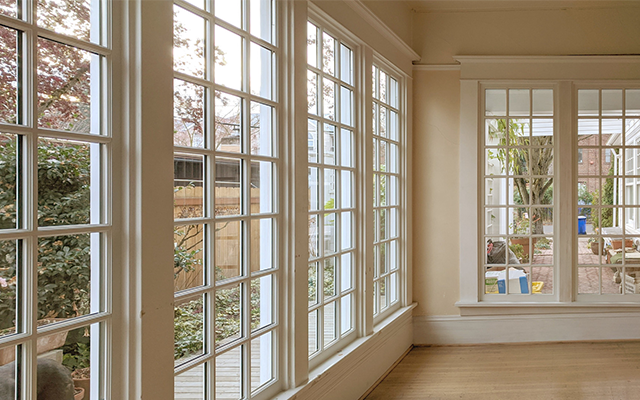
Solid wood windows are highly regarded for their excellent sound insulation performance, which stems from the inherent properties of wood and rational structural design. Unlike metal or plastic materials that tend to transmit sound easily, wood has a porous and dense fiber structure that effectively absorbs and dampens sound waves, preventing them from penetrating through the window into the interior. The natural elasticity of wood also helps to reduce the vibration caused by external noise, further enhancing the sound insulation effect. In addition to the material itself, the sealing system of solid wood windows plays a crucial role in sound insulation. High-quality solid wood windows are usually equipped with multi-layer sealing strips made of EPDM or silicone, which tightly fit the window sash and frame, eliminating gaps that could allow sound to leak in. The combination of these two factors makes solid wood windows particularly suitable for areas with high noise pollution, such as urban centers, near highways, or busy commercial districts.
To maximize the sound insulation performance of solid wood windows, several key design elements should be considered. First, the thickness of the wood frame and sash is important—thicker wood provides better sound absorption and blocking. Second, double or triple glazing is often paired with solid wood frames to achieve superior sound insulation. The air gap between the glass panes acts as an additional sound barrier, and filling the gap with inert gas like argon can further improve the effect. Moreover, the installation quality directly affects sound insulation; improper installation may create gaps between the window and the wall, undermining the overall performance. When properly designed and installed, solid wood windows can reduce external noise by 30 to 50 decibels, creating a quiet and comfortable indoor environment for residents or users.







 CN
CN