






Time:2026-03-10 Views:0
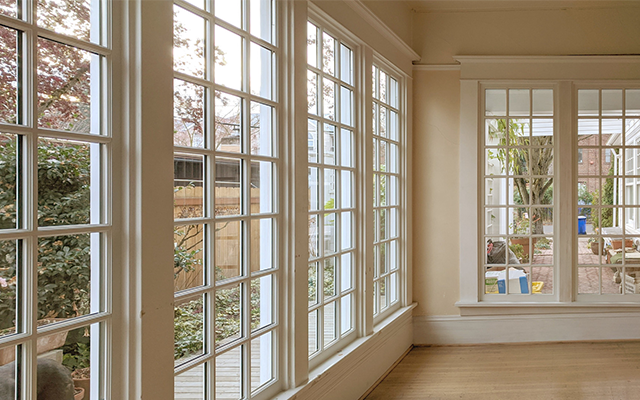
Solid wood windows are an ideal choice for historic buildings due to their ability to preserve the architectural style and cultural value of these structures. Historic buildings often feature unique and intricate window designs that are an integral part of their aesthetic and historical significance. Solid wood, as a traditional building material, can be crafted to replicate the original window styles, including the shape of the frame, the pattern of the sash, and the type of joinery, ensuring that the windows blend seamlessly with the overall appearance of the historic building. Unlike modern materials such as vinyl or aluminum, which may look out of place and damage the historical integrity of the structure, solid wood windows maintain the authenticity and charm of historic architecture.
In addition to their aesthetic compatibility, solid wood windows also meet the functional and regulatory requirements for historic building renovations. Many historic preservation guidelines mandate the use of traditional materials and construction methods to protect the building’s historical value, and solid wood windows comply with these standards. Furthermore, solid wood windows offer good thermal insulation and durability, which are essential for maintaining the structural stability and energy efficiency of historic buildings. They can withstand the test of time with proper maintenance, reducing the need for frequent replacements that could disrupt the building’s original structure. When installing solid wood windows in historic buildings, craftsmen often use traditional techniques such as mortise and tenon joints, which not only enhance the window’s strength but also reflect the craftsmanship of the era. Additionally, modern improvements such as weatherstripping and low-emissivity glass can be incorporated into solid wood windows to improve their performance without compromising their historical appearance.







 CN
CN