




Time:2026-03-17 Views:0
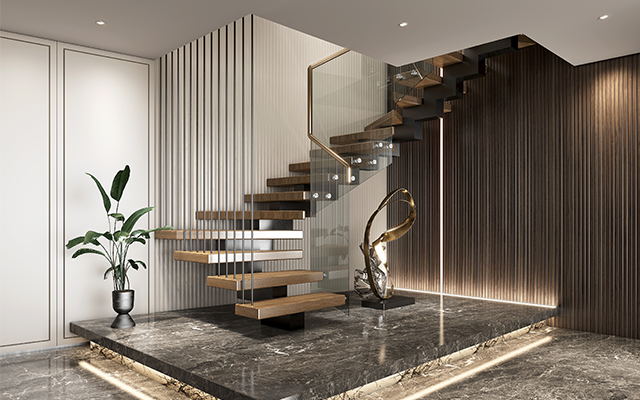
Straight staircase dimensions and specifications are critical factors that ensure safety, comfort, and compliance with building codes, making them essential considerations for both new construction and renovation projects. The primary dimensions to consider include tread depth, riser height, staircase width, and headroom. Tread depth (the horizontal distance of each step) typically ranges from 10 to 11 inches, as this provides enough space for a full foot placement, reducing the risk of slips. Riser height (the vertical distance between consecutive treads) is usually between 7 and 7.5 inches; this range is comfortable for most adults to climb without straining, and consistent riser height throughout the staircase is crucial to avoid tripping.
Staircase width is another important specification, with minimum requirements varying by location and use. For residential two-story homes, the minimum width is typically 36 inches, which allows for easy movement of people, furniture, and appliances between floors. Commercial spaces or homes with accessibility needs may require wider staircases, often 48 inches or more. Headroom (the vertical clearance above the staircase) is also regulated, with a minimum of 6 feet 8 inches required in most building codes to prevent users from hitting their heads. This measurement is taken from the top of the tread to the ceiling or any overhead obstruction directly above.
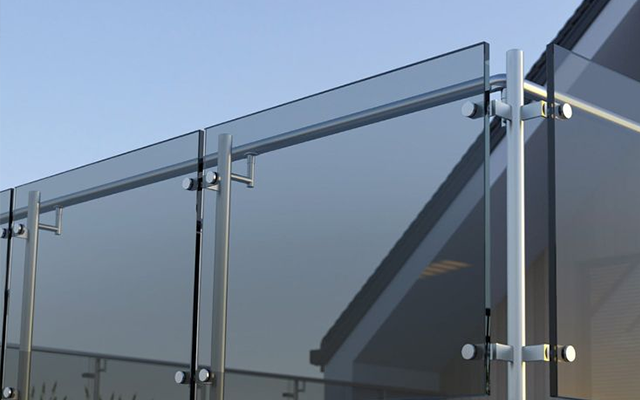
Other key specifications include the landing requirements and handrail dimensions. For straight staircases in residential homes, a landing is typically required at the top and bottom of the staircase, with a minimum depth equal to the width of the staircase (at least 36 inches). Handrails must be installed on at least one side of the staircase if the width is less than 44 inches, and on both sides if wider. Handrail height should be between 34 and 38 inches from the top of the tread, and the diameter should be between 1.25 and 2 inches for comfortable gripping. These dimensions and specifications are not only essential for safety but also ensure that the staircase is accessible and comfortable for all users, while complying with local building regulations to avoid potential legal issues during construction or inspection.







 CN
CN